Current and Recent Projects 2014-2016
- The Royal Signals Museum – feasibility study
- Culture Coventry - resilience financial modelling
- Museums and Resilient Leadership 2015 - 2018 Programme Co-Founder & Director
- Site masterplan and development appraisal - London Transport Museum
- Strategic Planning - Britain's Energy Coast – with ARUP
- Strategic Planning - Society for the Protection of Ancient Buildings
- Design Review - National Memorial Arboretum, Alrewas, Derbyshire
- 4 Films on seafood for Jersey Heritage
- Martime painting exhibition for Jersey Heritage
- New film for the Occupation Tapestry Gallery, Martime Museum, St Helier , Jersey
- 2 audio visual installations for the Black Country Living Museum
- Masterplanning services Black Country Living Museum
- Museums and Resilient Leadership 2015-2016 Programme Co-Director
- Innovation Labs Programme for Bournemouth University and the National Coastal Tourism Academy
Below.... trip to California in May 2014 - Things Scientific, Technical, Engineered and Two Wheeled. Covers some of my many interests and obessions.
Exploratorium - Art and Science
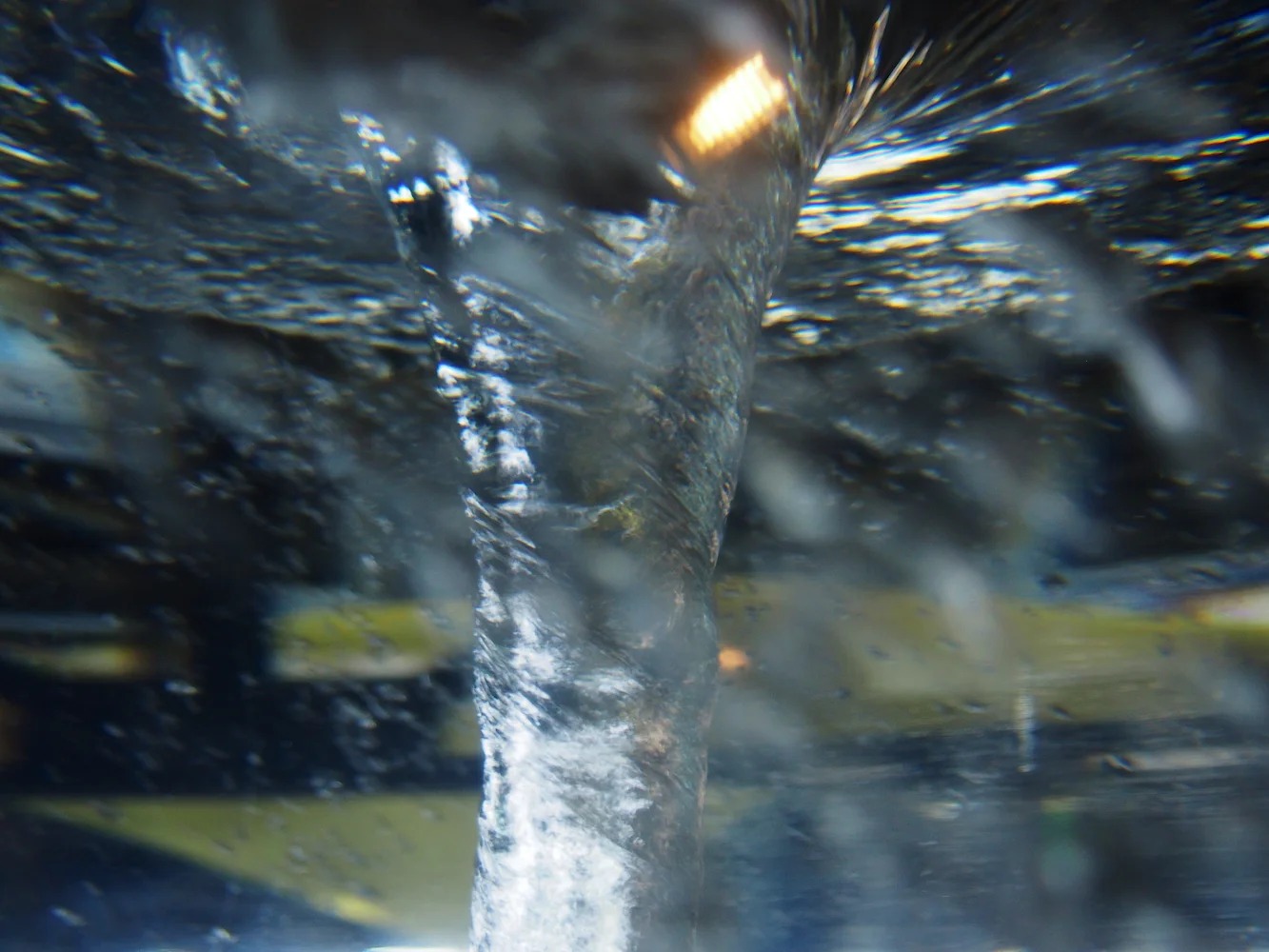
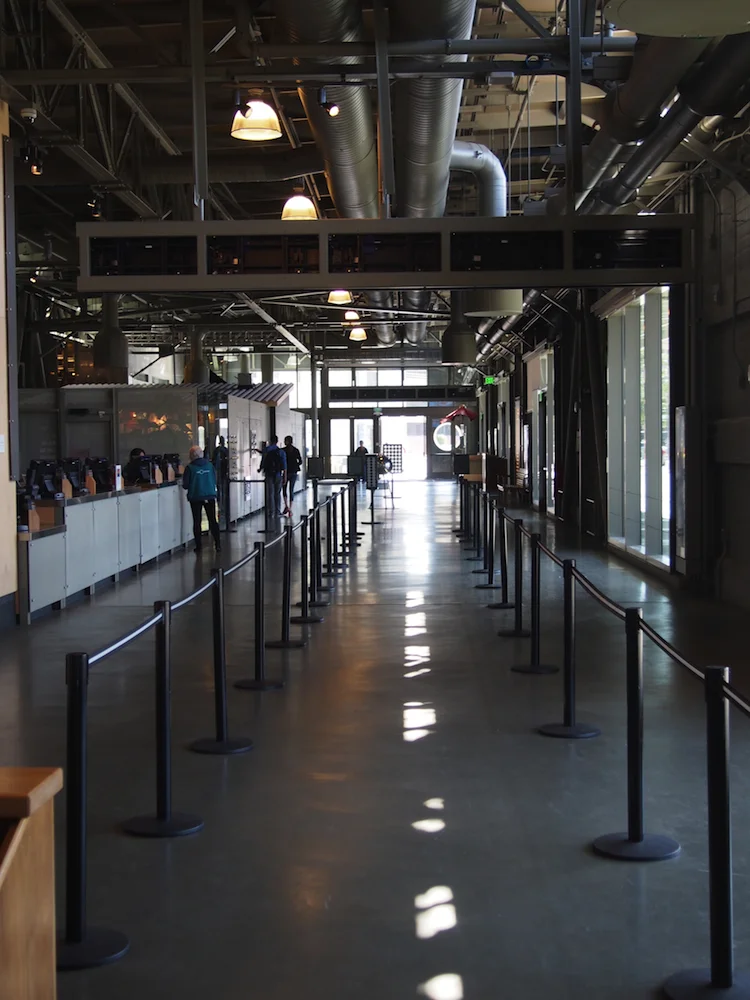
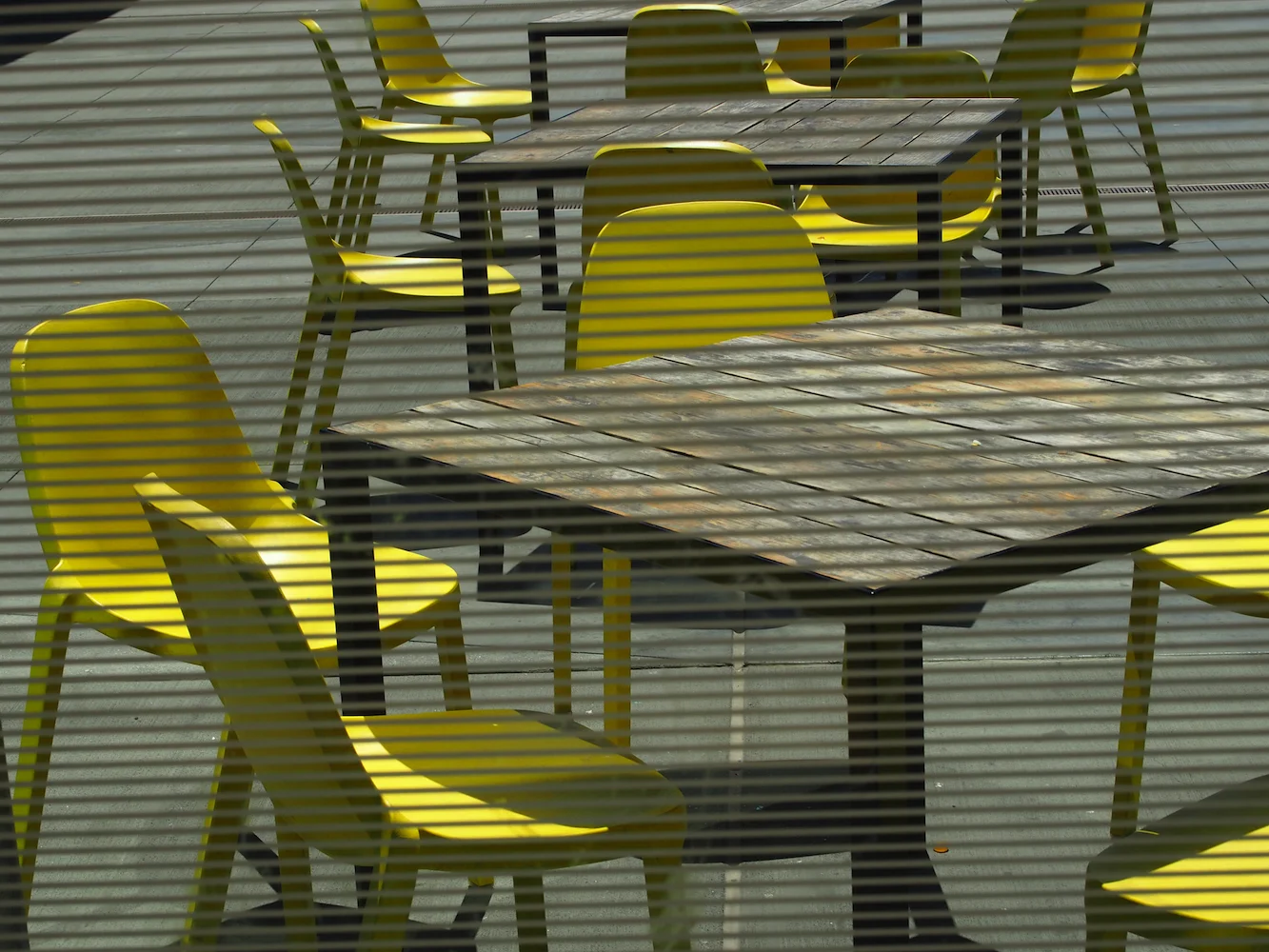
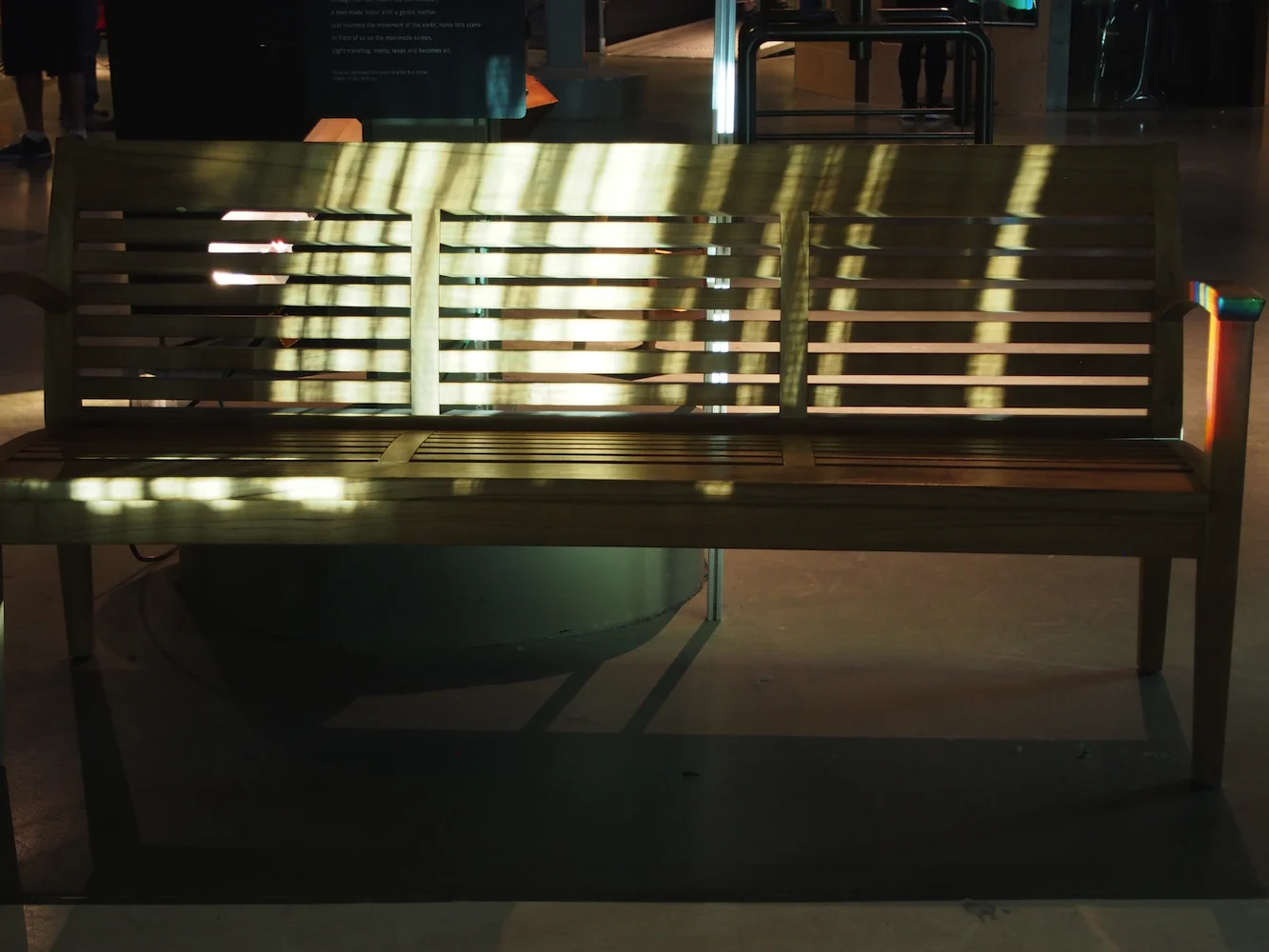
At the new Exploratorium. Though I like the old building, the Palace of Fine Arts, the new one at Pier 15 on the San Francisco waterfront, is much better as a space for multi sensory experience, exploration and intellectual discovery. Though it lacks the dark and dusty corners of the Palace and the sense that you might discover a hidden exhibit that everyone had forgotten for years, it has kept true to the spirit of enquiry of the founder, Frank Oppenheimer. I'd say that the new spaces are a better expression of one of the guiding thoughts behind the science centre; that the beautiful is instructive and the instructive is beautiful, or at least aesthetically pleasing. Also, the new building offers better visitor facilities, especially on the food offer.
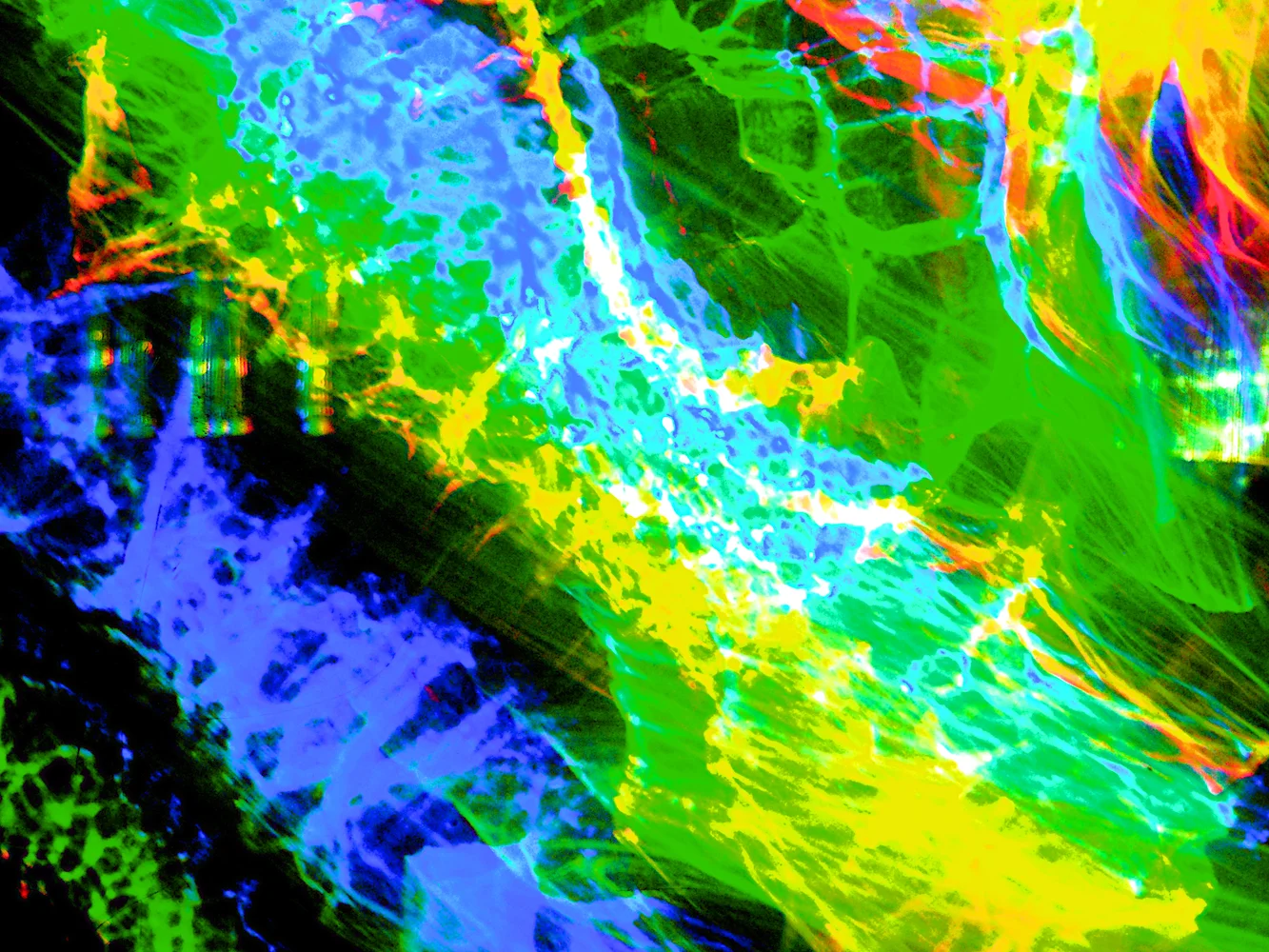
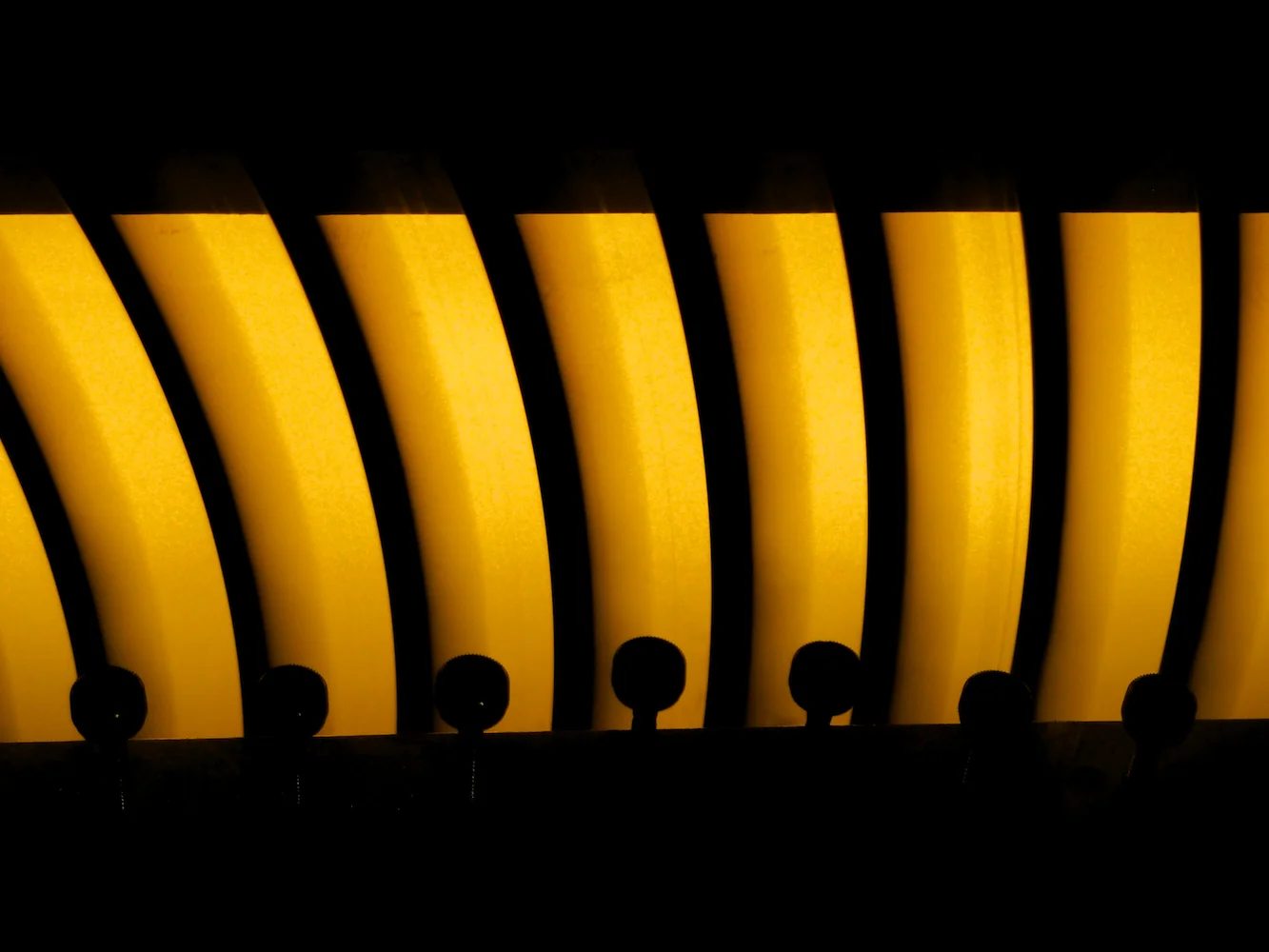
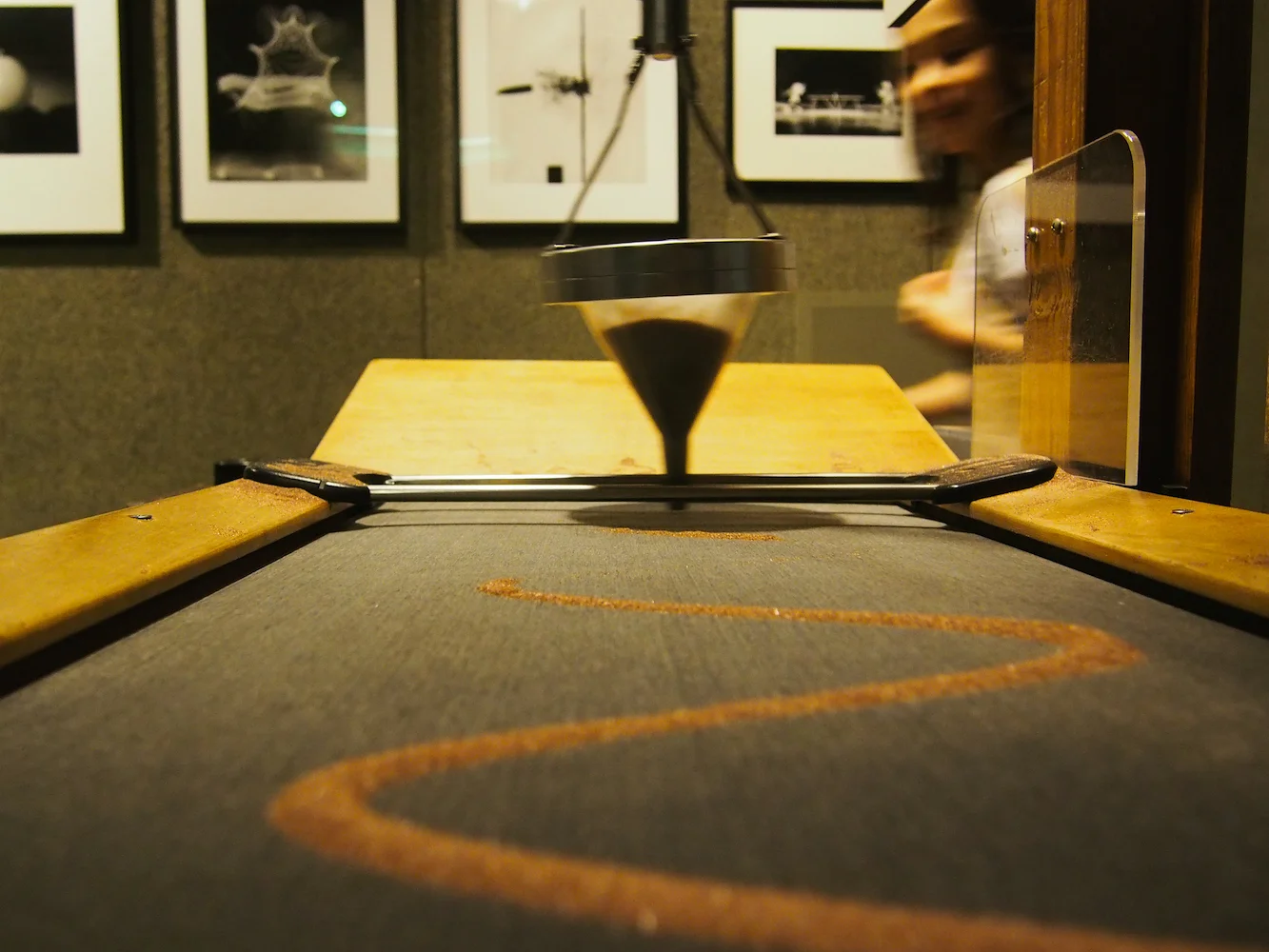
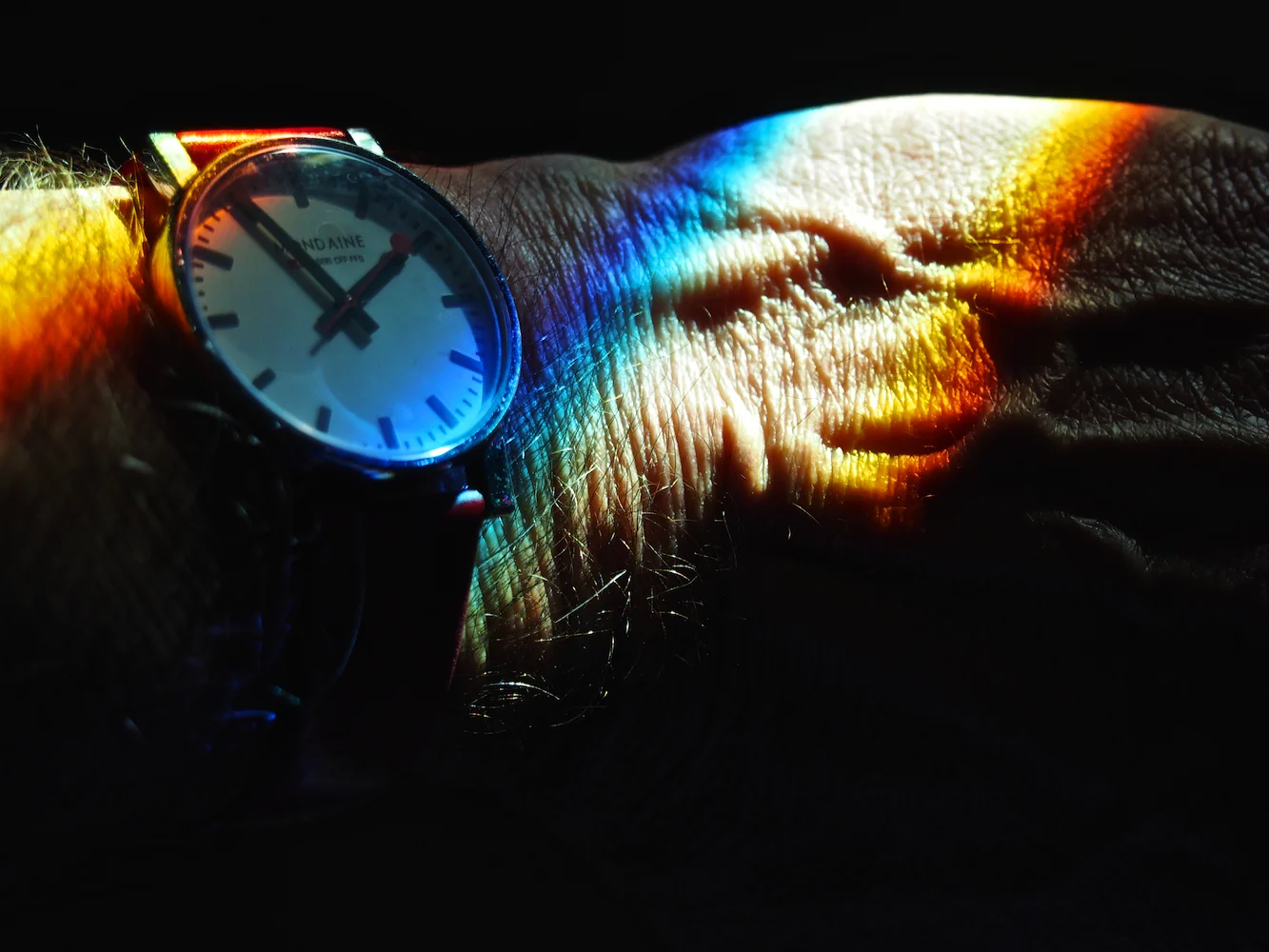
The pictures below highlight one aspect of the work of the Exploratorium; an endless fascination, with patterns regular and patterns chaotic. The general stance of the Exploratorium is to unpack natural phenomena through the agency of exhibits which have degrees of freedom for the user. The top rows show exhibits in which are mostly observable, with little freedom of interaction; whale baleen, top left, Plexiglass or Perspex physical renditions of tidal movements in the Bay Area, and a Ned Khan exhibit, the flag, from the early days of the Exploratorium (1994). Then the rather wonderful dry ice exhibit which shows state change from solid to gas in CO2. None of these are highly interactive, though sand dunes and the frequency generator (the curved gold bars) are to a degree; they are manipulable - with variable user input.
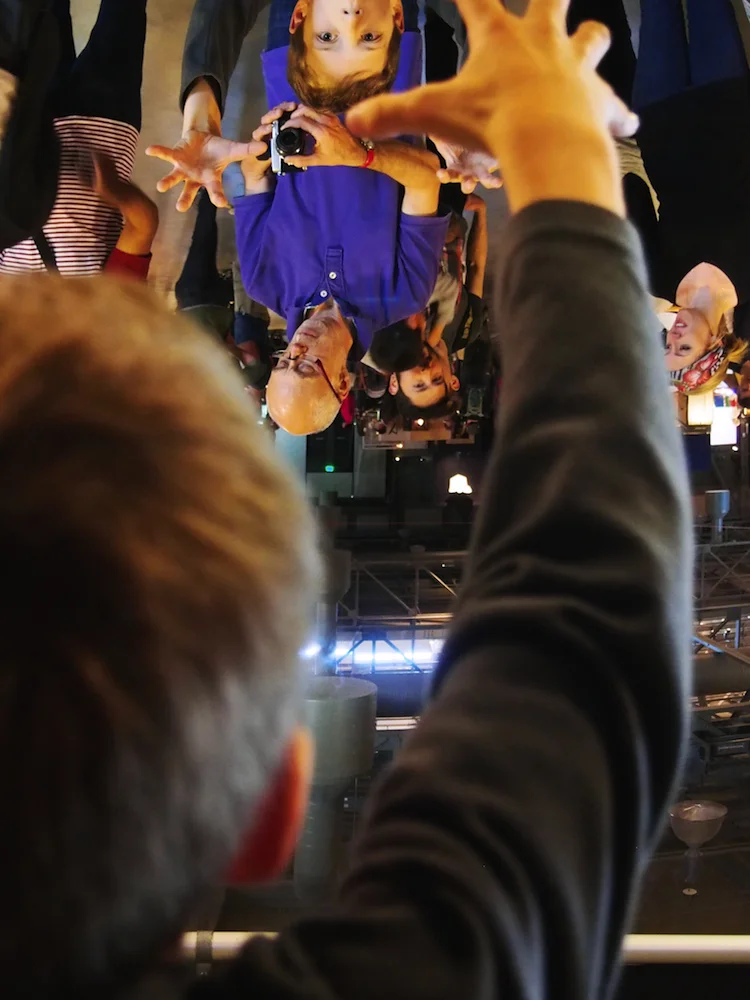
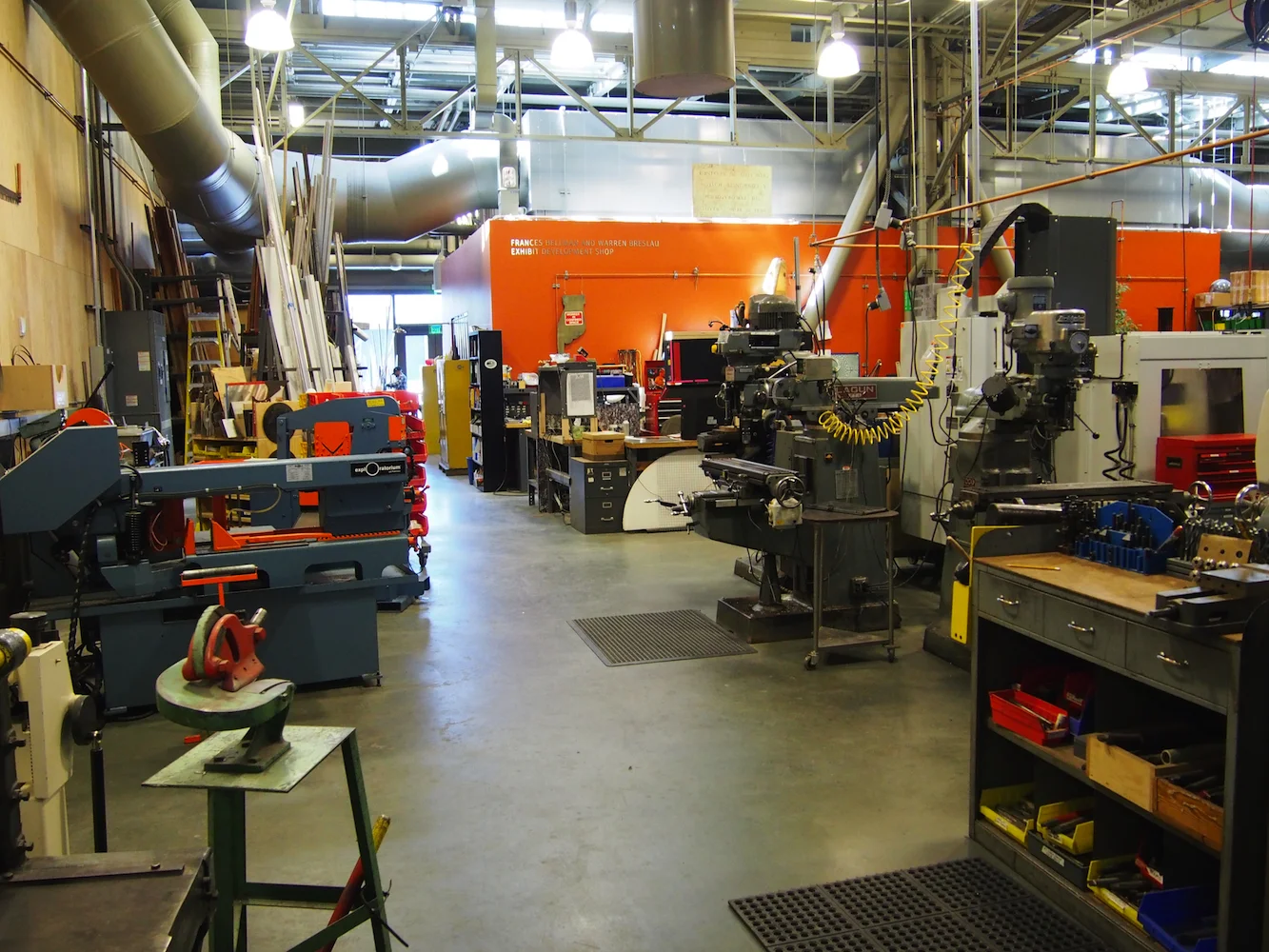
Sun painting and the inverting mirror are in a class of exhibits which the Exploratorium and the Boston Children's Museum pioneered which change human social behaviour through their interactive structure. It's this ability to vary the exhibit experience for the visitor within a set of limits and get positive and constructive feedback which is one of the Exploratorium's open learning signatures. Importantly too, the physical context of the exhibit encourages observation of other visitors' behaviour, then mimicry and adaptive imitation. This appreciation of the social component of learning is also a key feature of the science centre's work and is absent in the traditional museum gallery. Further down you can see a selection of shots of the building, the much enlarged workshop and some of the fixtures and fittings in the building. As ever, the Californian sun helps a lot. I always joke that in the UK Sun Painting would have to be a watercolour.




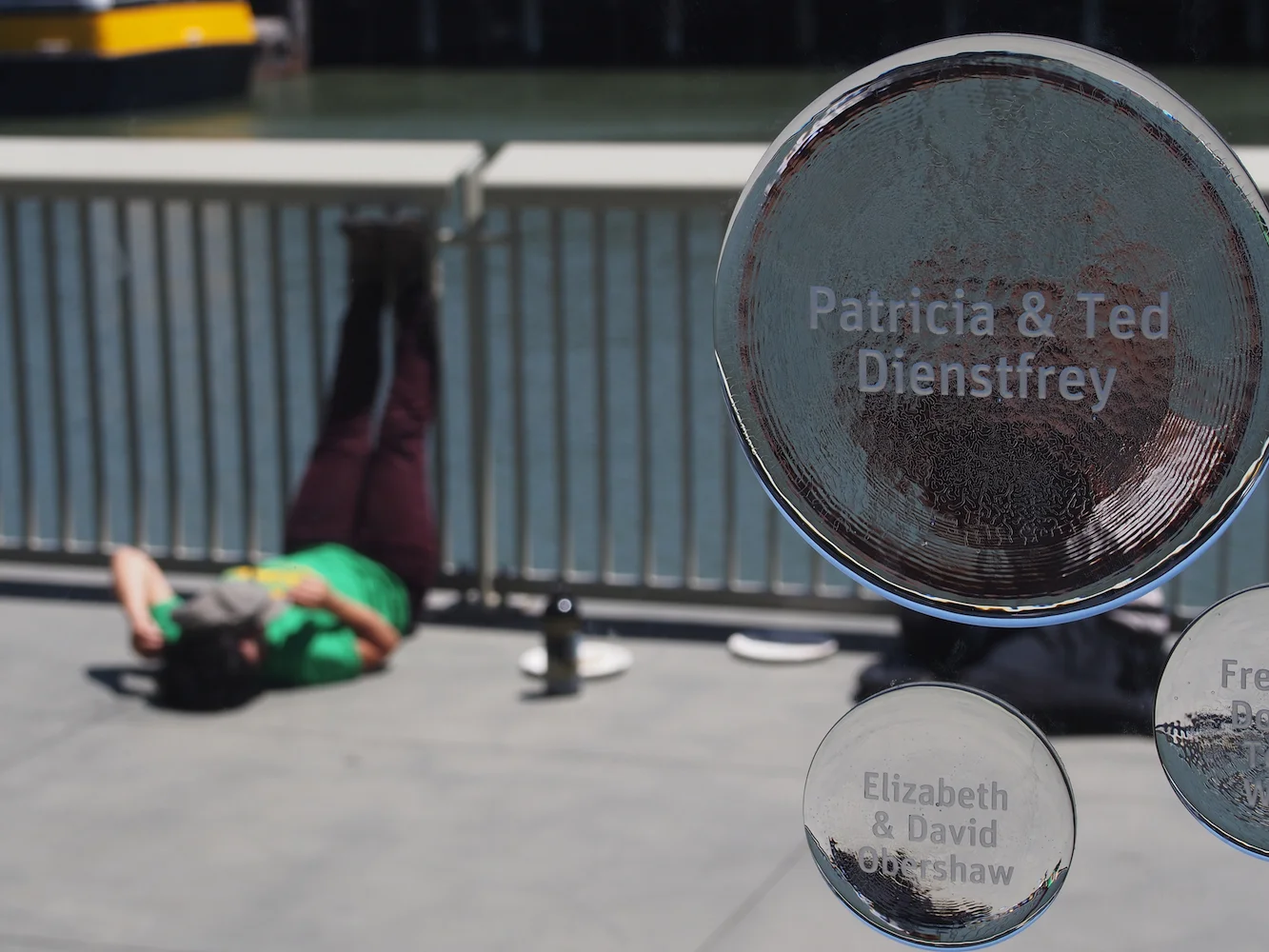
Long Now Foundation, Fort Mason, CA - Time & Responsibility
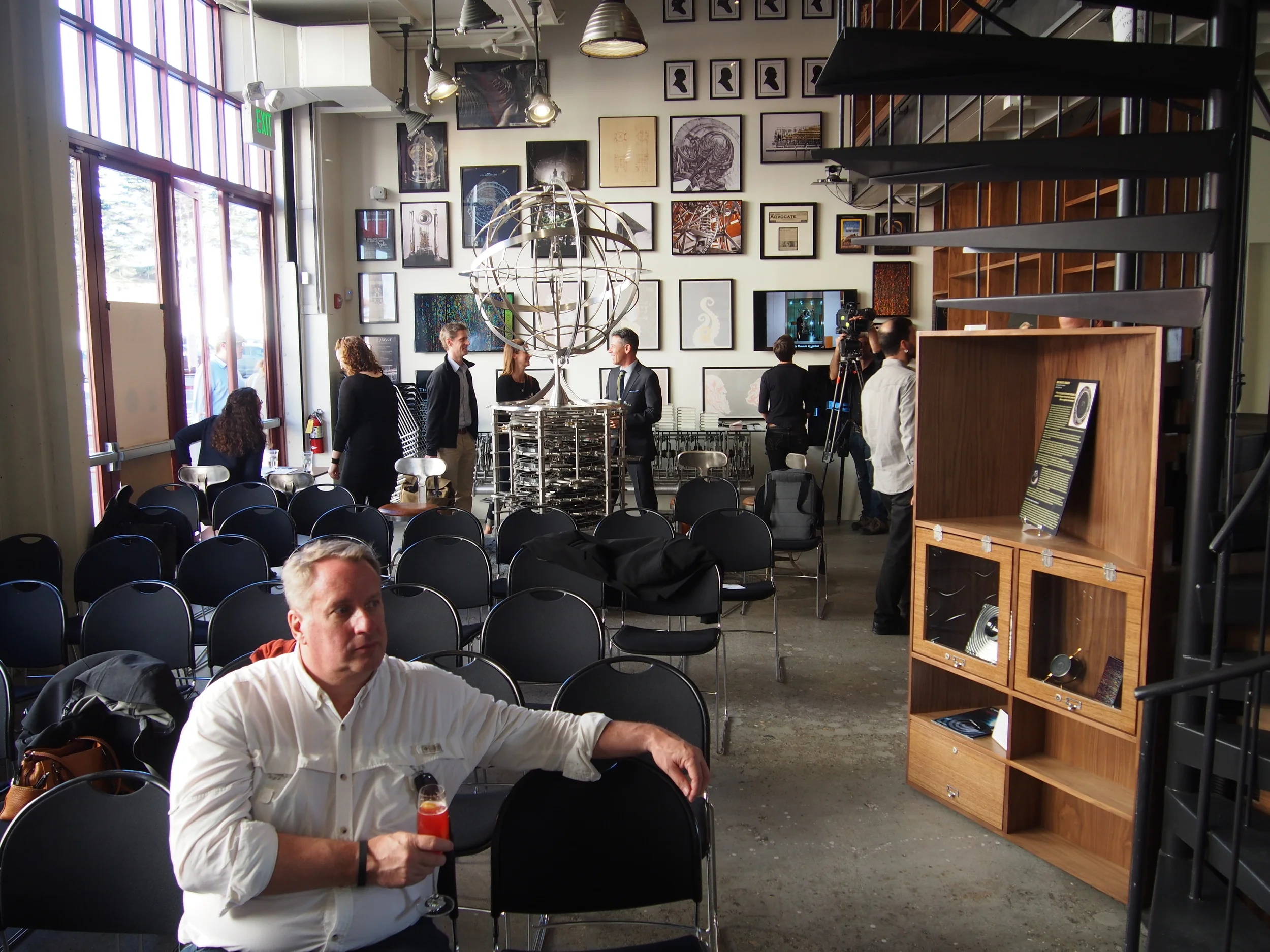
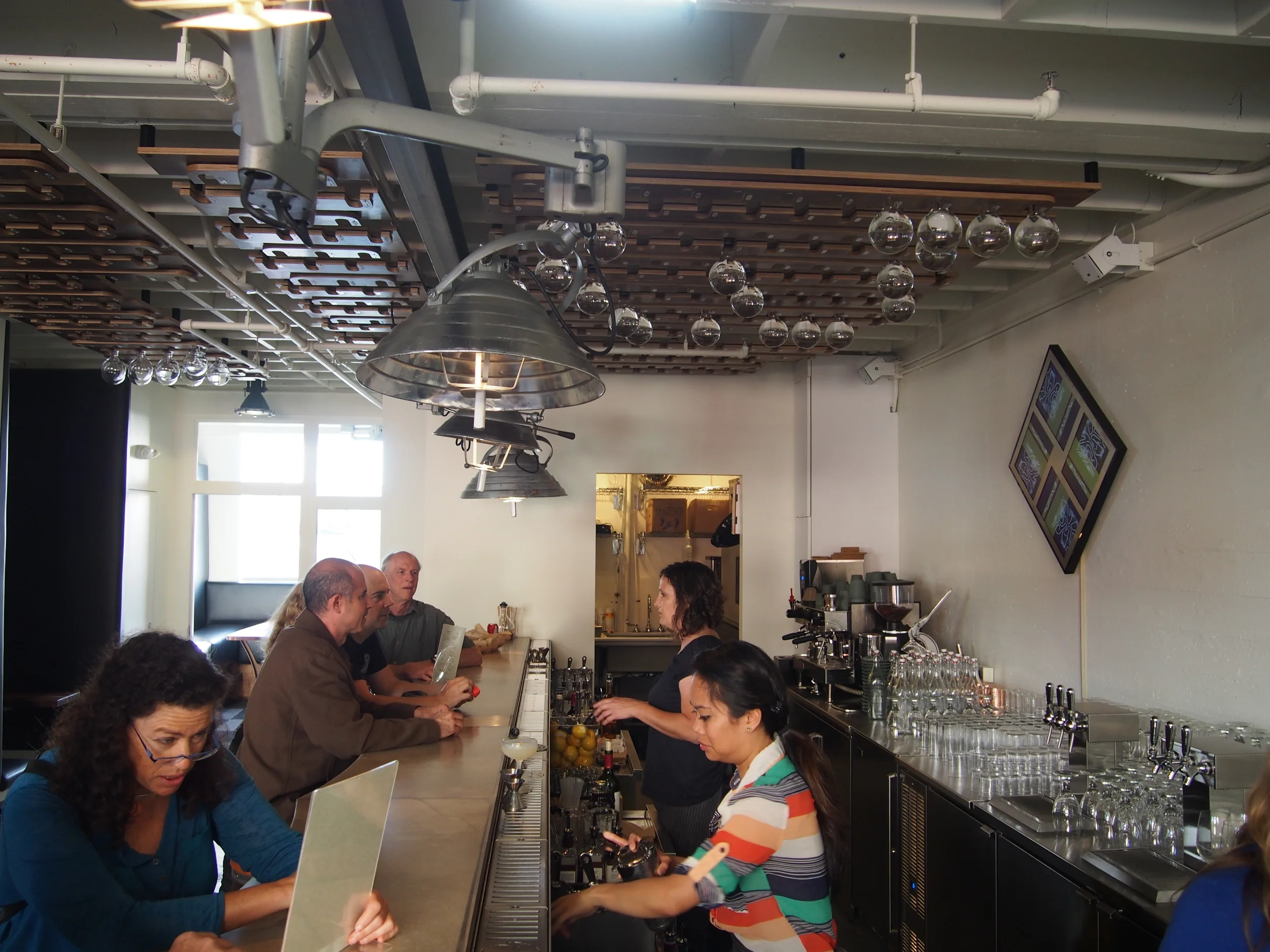
At the opening of The Interval the new lounge bar and deep time grille, Fort Mason, CA. Long Now Foundation. I've been a member of the Long Now Foundation for several years and originally I was inspired to join following many conversations with a late and beloved friend of mine Dave Williams, who was the moving spirit behind many social good projects in Leeds, UK. I already knew of the work of Stewart Brand from the Whole Earth Catalogue and his book Clock Of The Long Now: Time And Responsibility: The Ideas Behind The World's Slowest Computer. His work has been inspiring. I've consistently found that the natural human tendency to deal with the immediate problems, as it were to eat the meal in front of you, is at best defeating and at worst destructive. Naturally, it's necessary to deal with immediate wants and present danger but too often we act as if we are in the midst of scarcity when actually surrounded by abundance. Symbols of long-term thinking such as the 10,000 year clock, partly shown below in quarter scale, are valuable in raising our time horizons. We need to think about the deep past and the future in changed ways. The clock provides a moral compass for such thinking. See this article about Deep Time and below for some more background on the LNF.
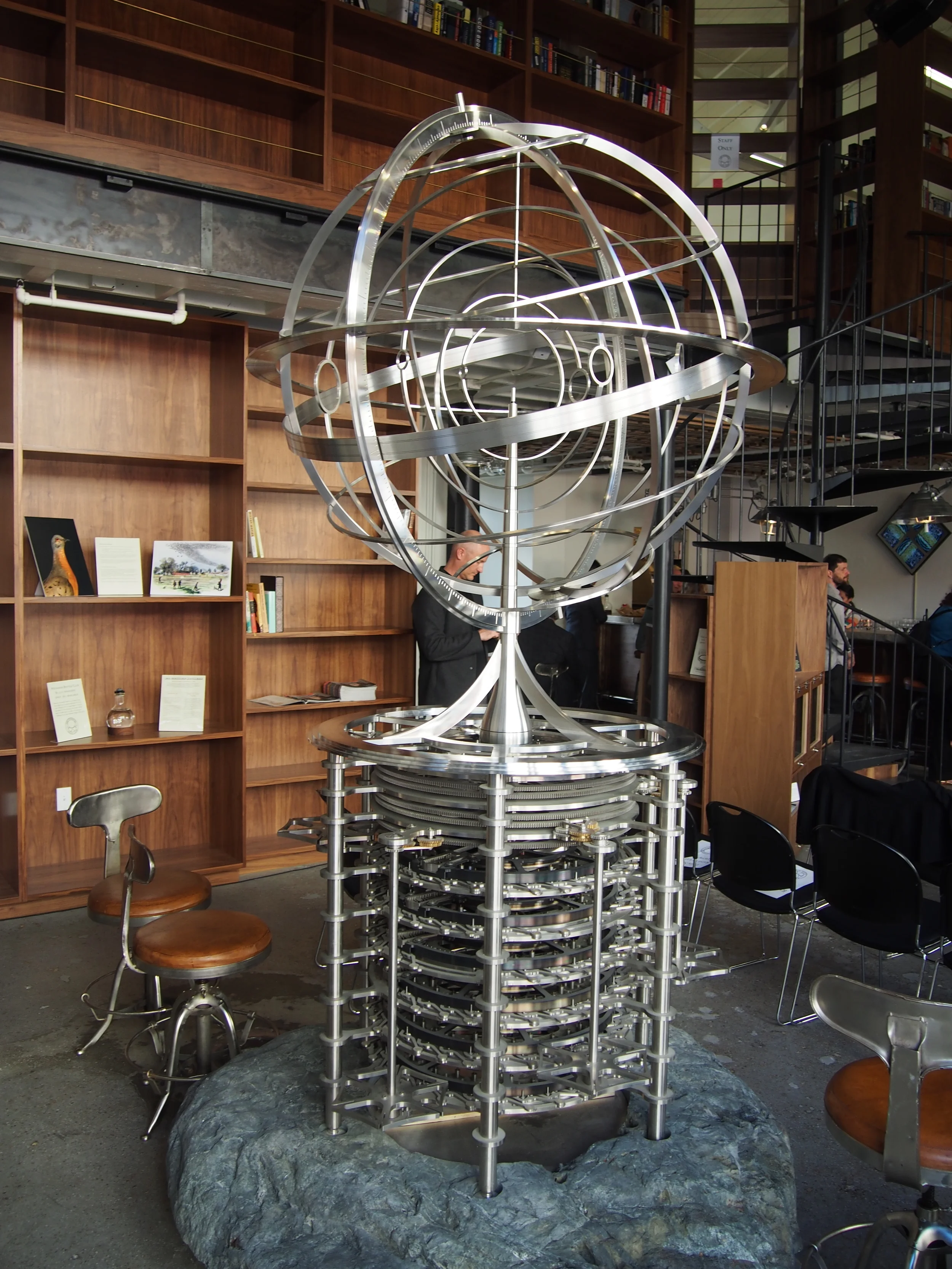
About Long Now
The Long Now Foundation was established in 01996* to develop the Clock and Library projects, as well as to become the seed of a very long-term cultural institution. The Long Now Foundation hopes to provide a counterpoint to today's accelerating culture and help make long-term thinking more common. We hope to creatively foster responsibility in the framework of the next 10,000 years.
The Clock and Library Projects
Below is an essay by a founding board member Stewart Brand on the need for, and the mechanism by which, The Long Now Foundation is attempting to encourage long-term thinking.
Civilization is revving itself into a pathologically short attention span. The trend might be coming from the acceleration of technology, the short-horizon perspective of market-driven economics, the next-election perspective of democracies, or the distractions of personal multi-tasking. All are on the increase. Some sort of balancing corrective to the short-sightedness is needed-some mechanism or myth which encourages the long view and the taking of long-term responsibility, where 'long-term' is measured at least in centuries. Long Now proposes both a mechanism and a myth. It began with an observation and idea by computer scientist Daniel Hillis :
"When I was a child, people used to talk about what would happen by the year 02000. For the next thirty years they kept talking about what would happen by the year 02000, and now no one mentions a future date at all. The future has been shrinking by one year per year for my entire life. I think it is time for us to start a long-term project that gets people thinking past the mental barrier of an ever-shortening future. I would like to propose a large (think Stonehenge) mechanical clock, powered by seasonal temperature changes. It ticks once a year, bongs once a century, and the cuckoo comes out every millennium."
Such a clock, if sufficiently impressive and well-engineered, would embody deep time for people. It should be charismatic to visit, interesting to think about, and famous enough to become iconic in the public discourse. Ideally, it would do for thinking about time what the photographs of Earth from space have done for thinking about the environment. Such icons reframe the way people think.
Hillis, who developed the "massive parallel" architecture of the current generation of supercomputers, devised the mechanical design of the Clock and is now building the monument scale version of the Clock in the Sierra Diablo range of West Texas near the town of Van Horn. The first Clock prototype is currently on display at the London Science Museum and others are at the headquarters of Long Now in San Francisco. The Clock's works consist of a specially designed gear system that has precision equal to one day in 20,000 years, and it self-corrects by "phase-locking" to the noon Sun.
Long Now added a "Library" dimension with the realization of the need for content to go along with the long-term context provided by the Clock - a library of the deep future, for the deep future. In a sense every library is part of the 10,000-year Library, so Long Now is developing tools (such as the Rosetta Disk , The Long Viewer and the Long Server ) that may provide inspiration and utility to the whole community of librarians and archivists. The Long Bets project - whose purpose is improving the quality of long-term thinking by making predictions accountable - is also Library-related.
The point is to explore whatever may be helpful for thinking, understanding, and acting responsibly over long periods of time.
- Stewart Brand
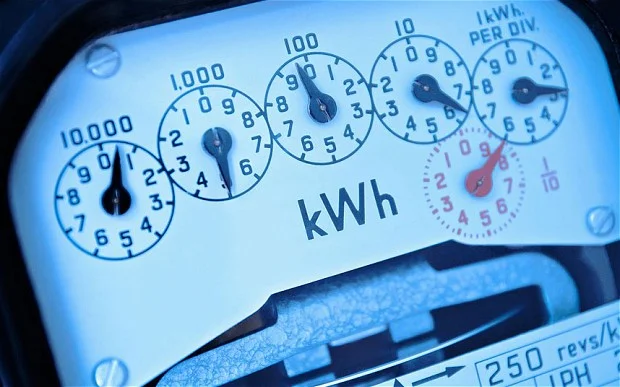
And here is a clip from the film I made with Centre Screen (Manchester and London) for Jersey Heritage last year, which draws inspiration from LNF thinking. Creatively the problem was to make a graphic which enabled us to travel backwards and forwards in time. Rather typically it's a creative mix of ideas; partly the work of Alicia Eggert, whom I met at TED in 2012, partly Chris Burden and most importantly the old style gas meters we have in the UK. The film The Jersey Story covered 250,000 years of the Island's history in just under 23 minutes.
Computer History Museum Mountain View, CA - Thinking Things
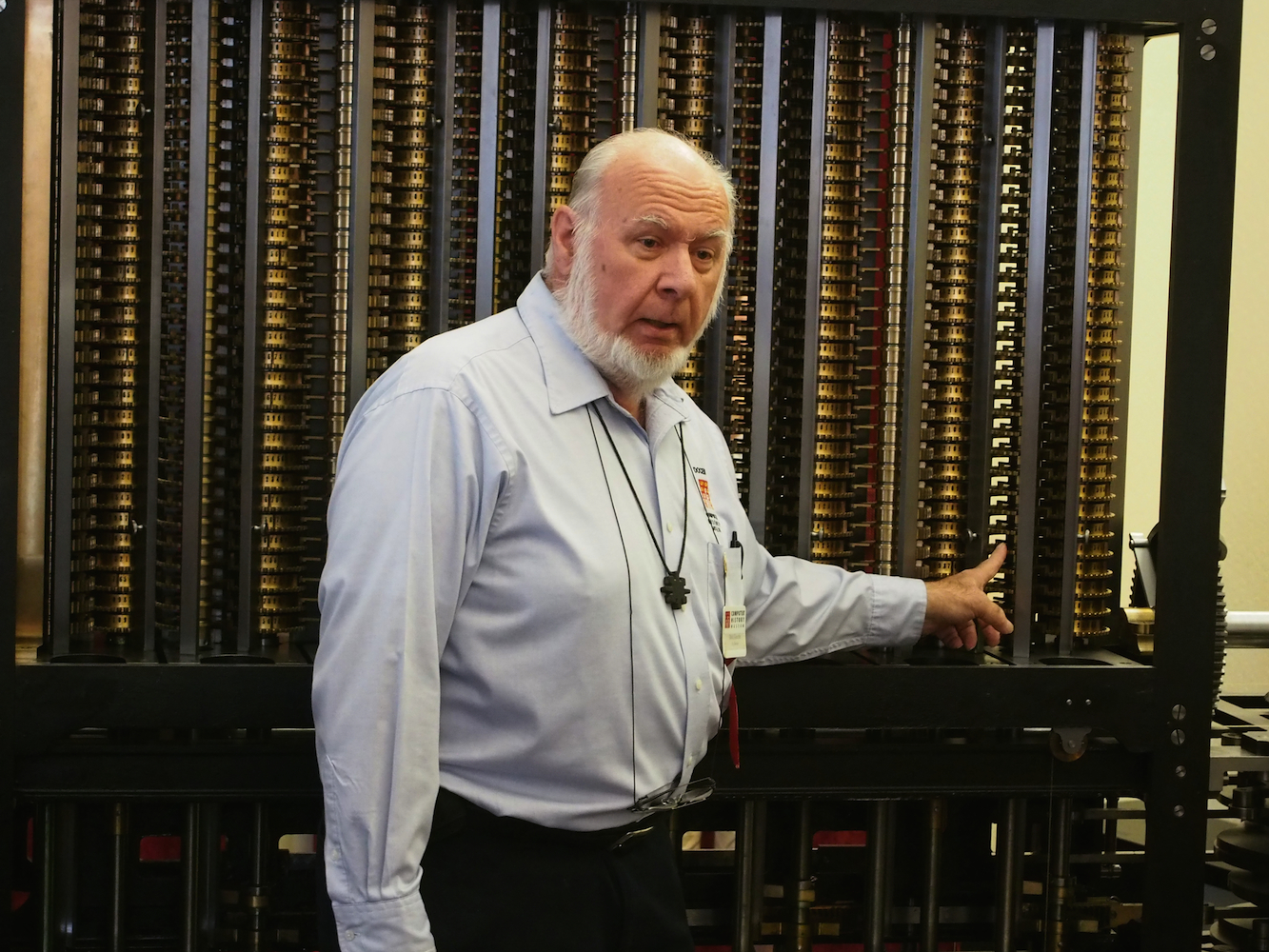
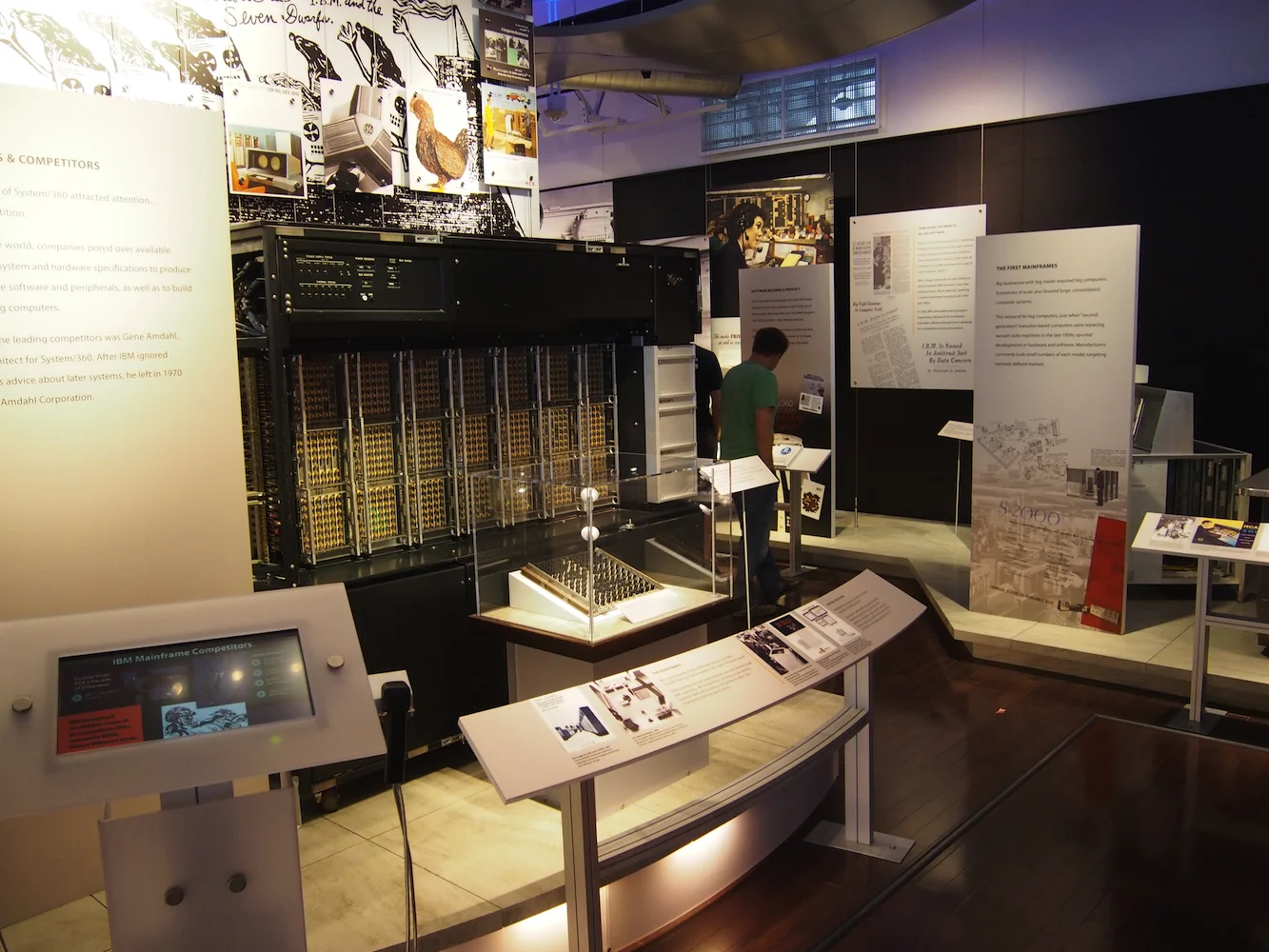
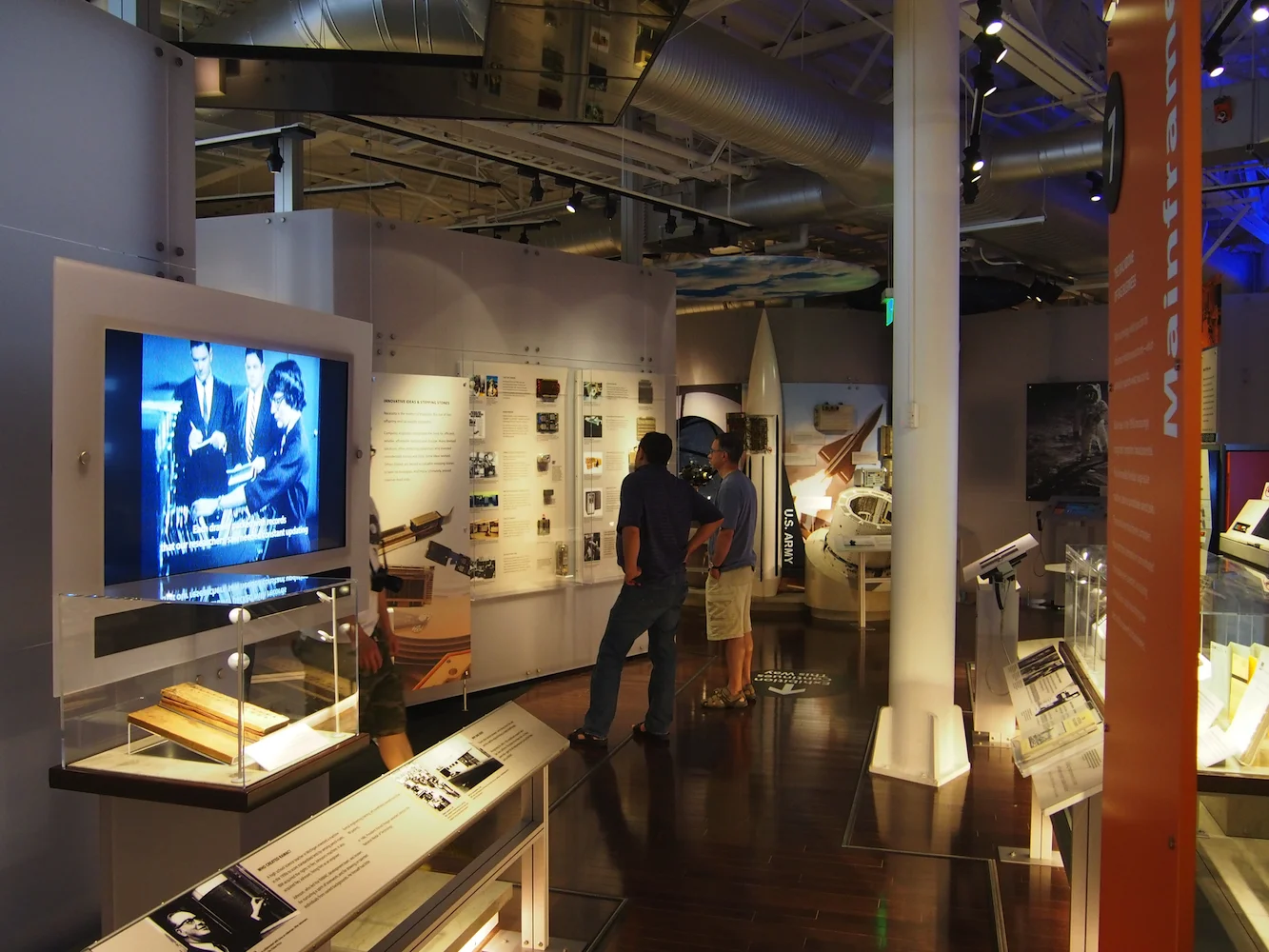
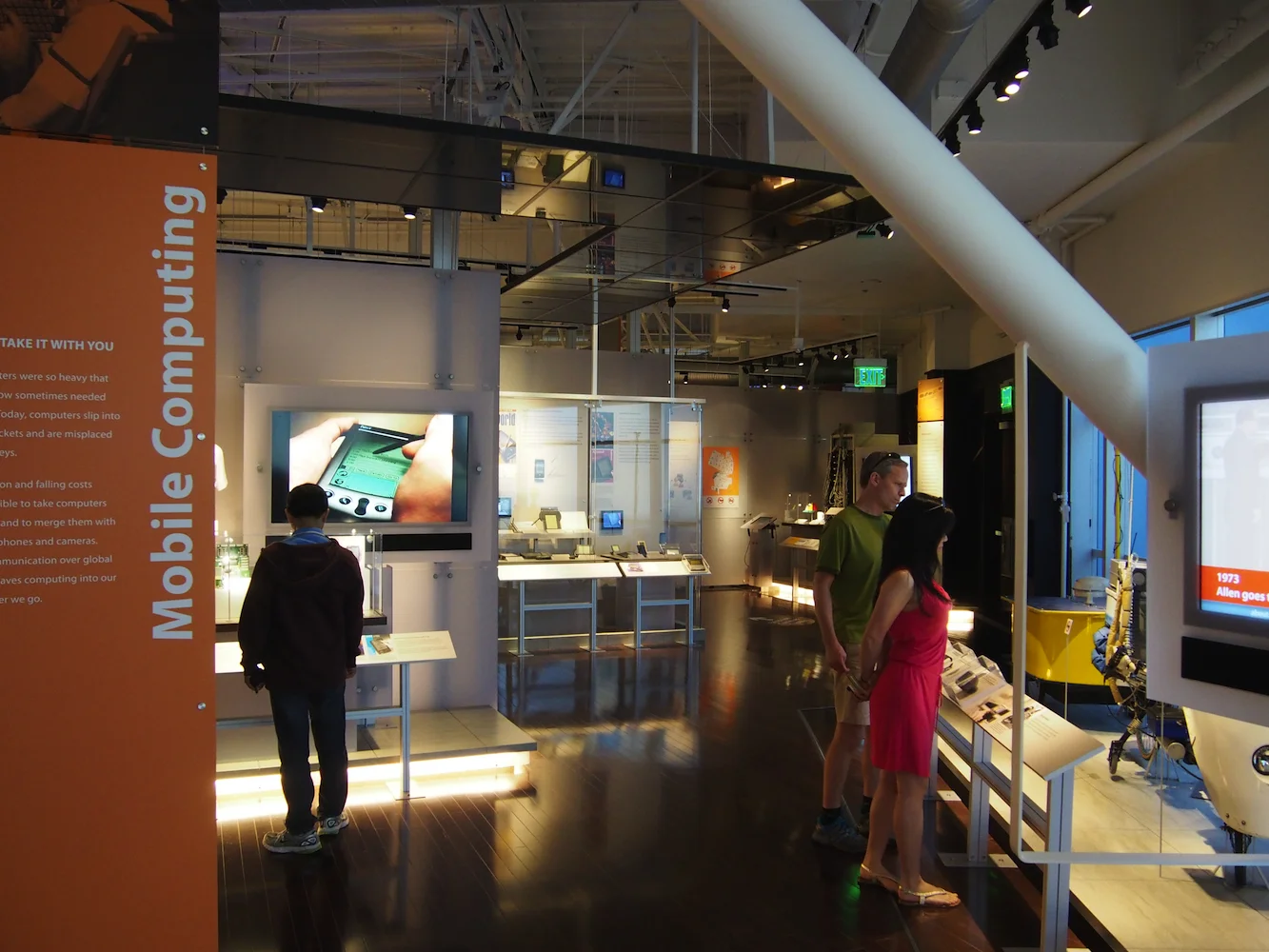
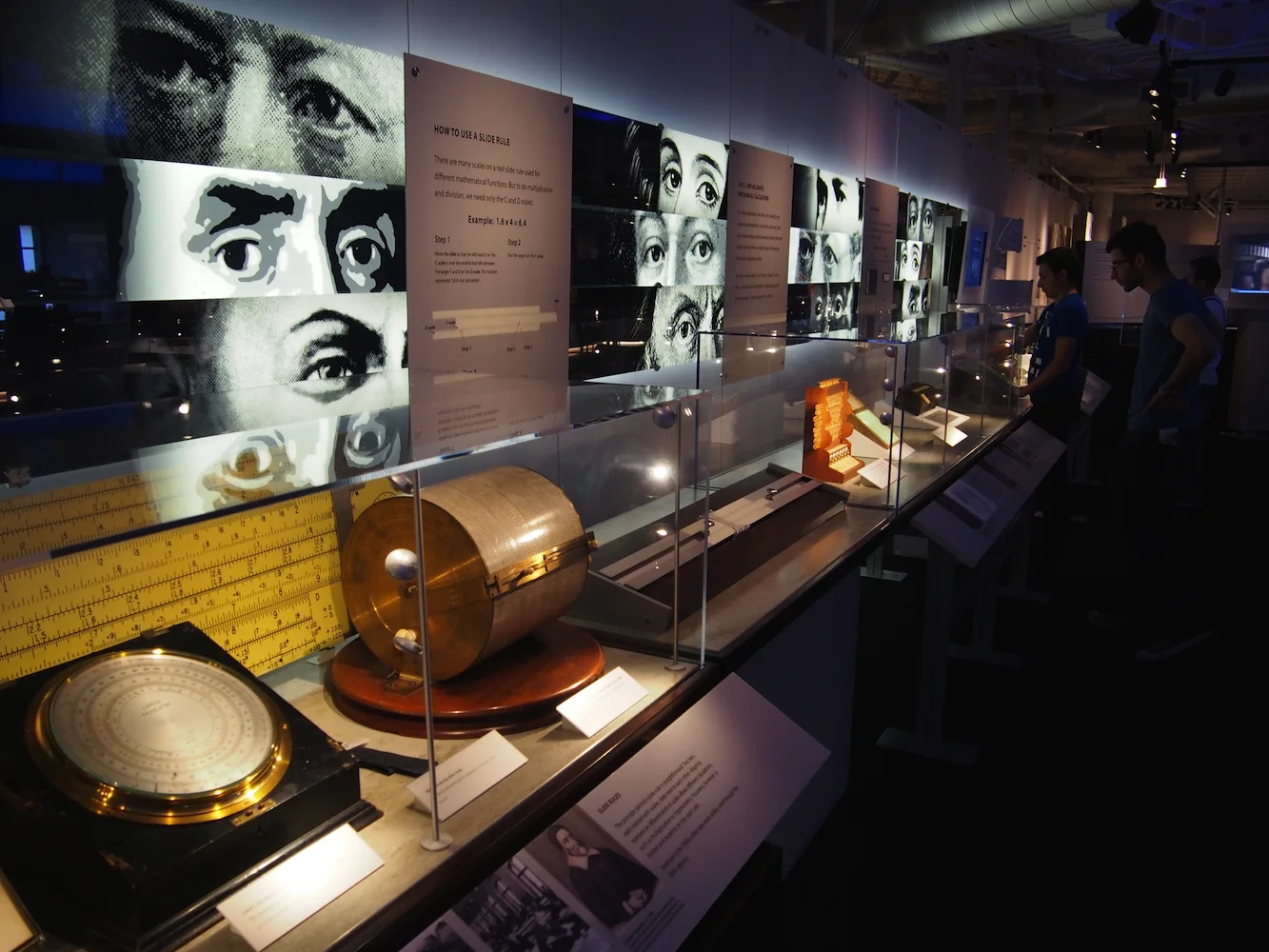
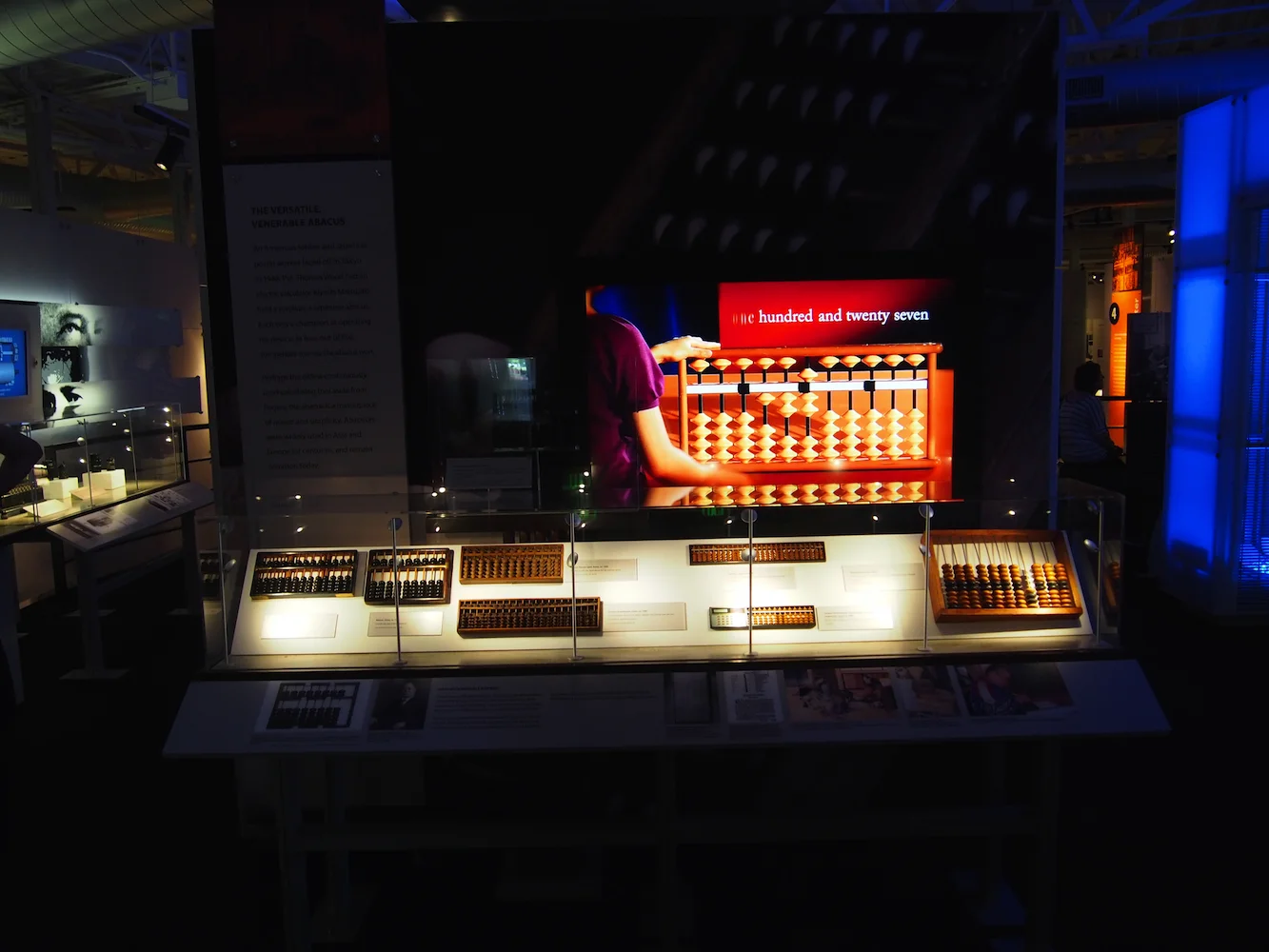
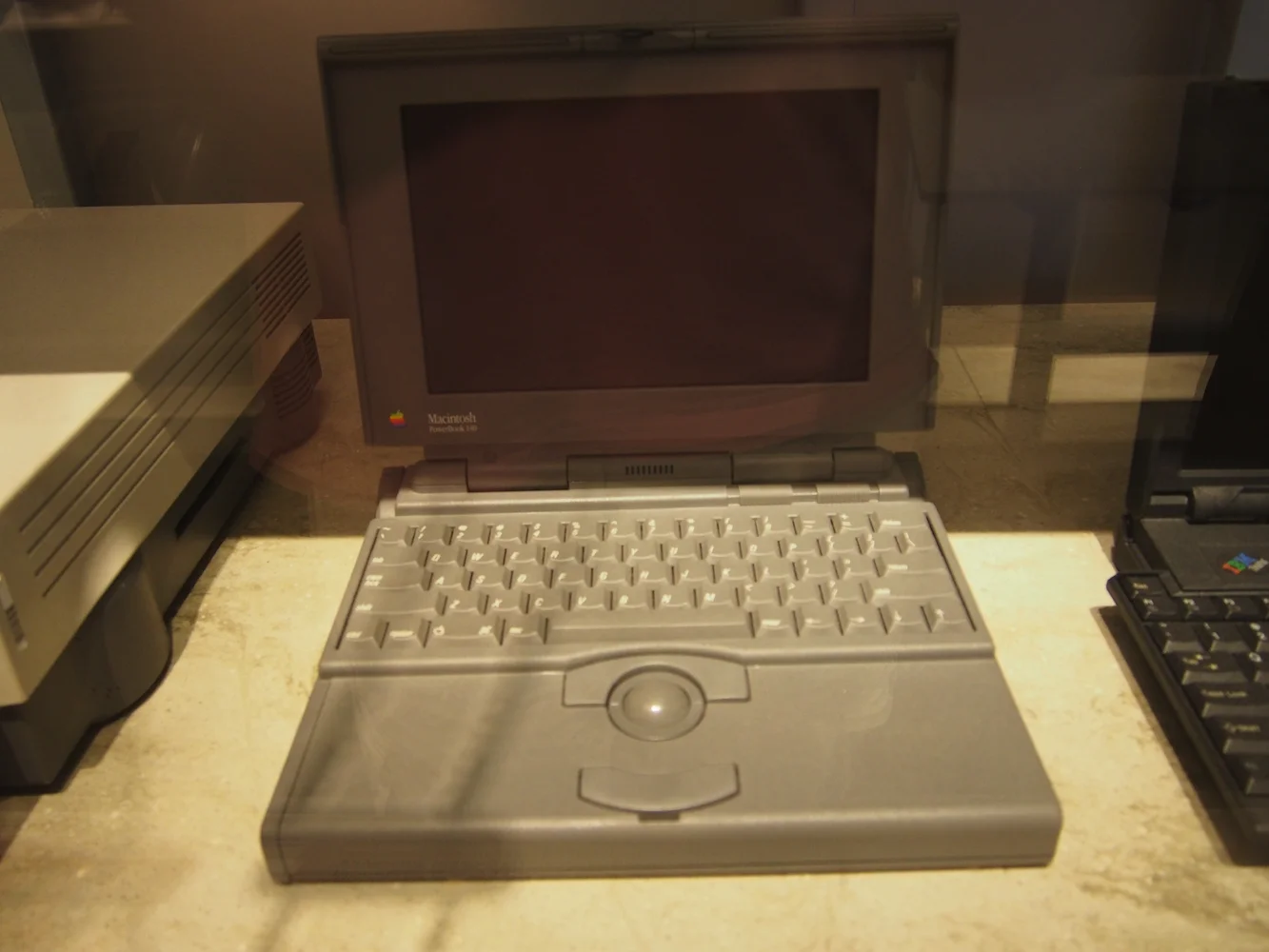
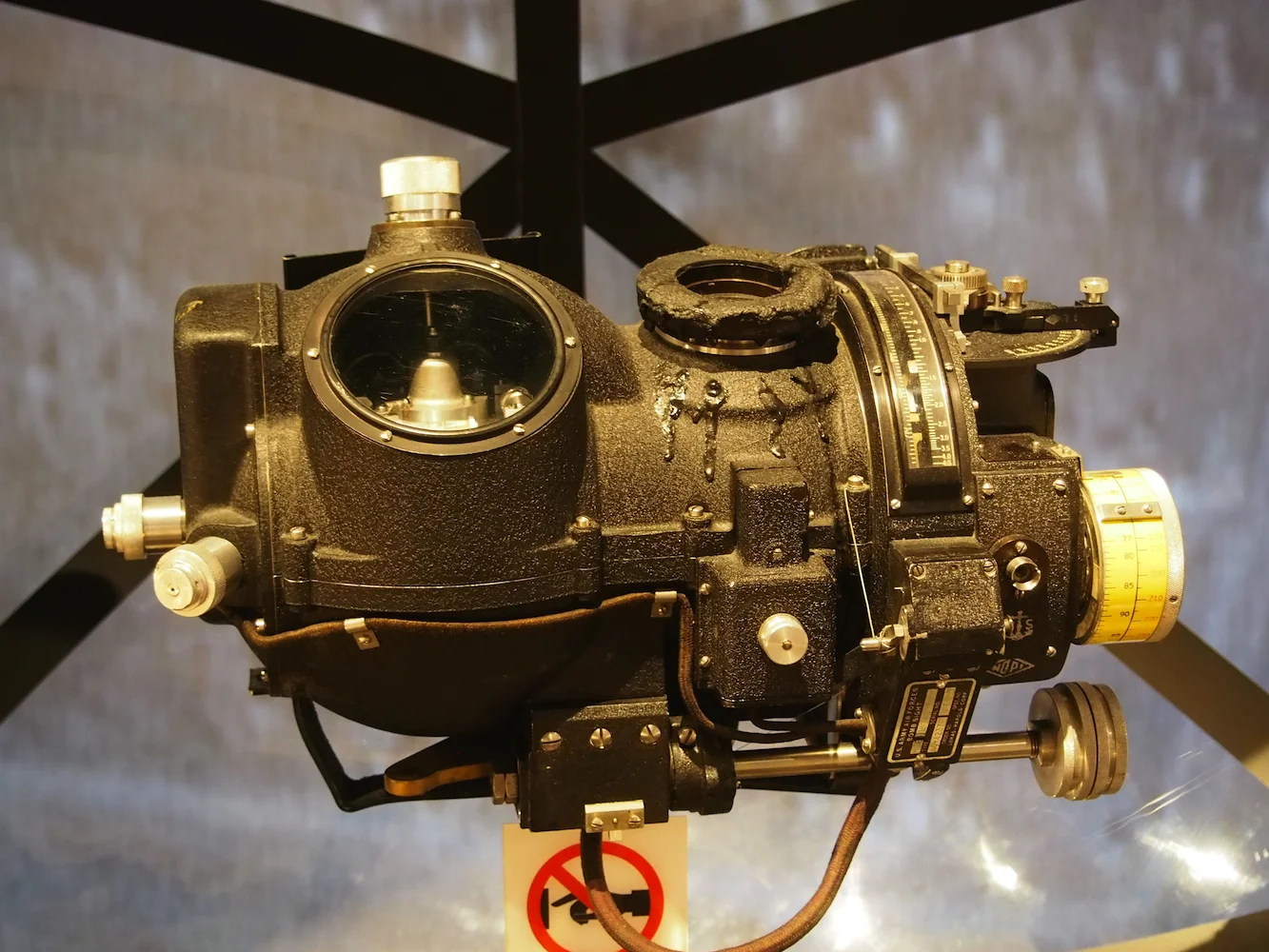
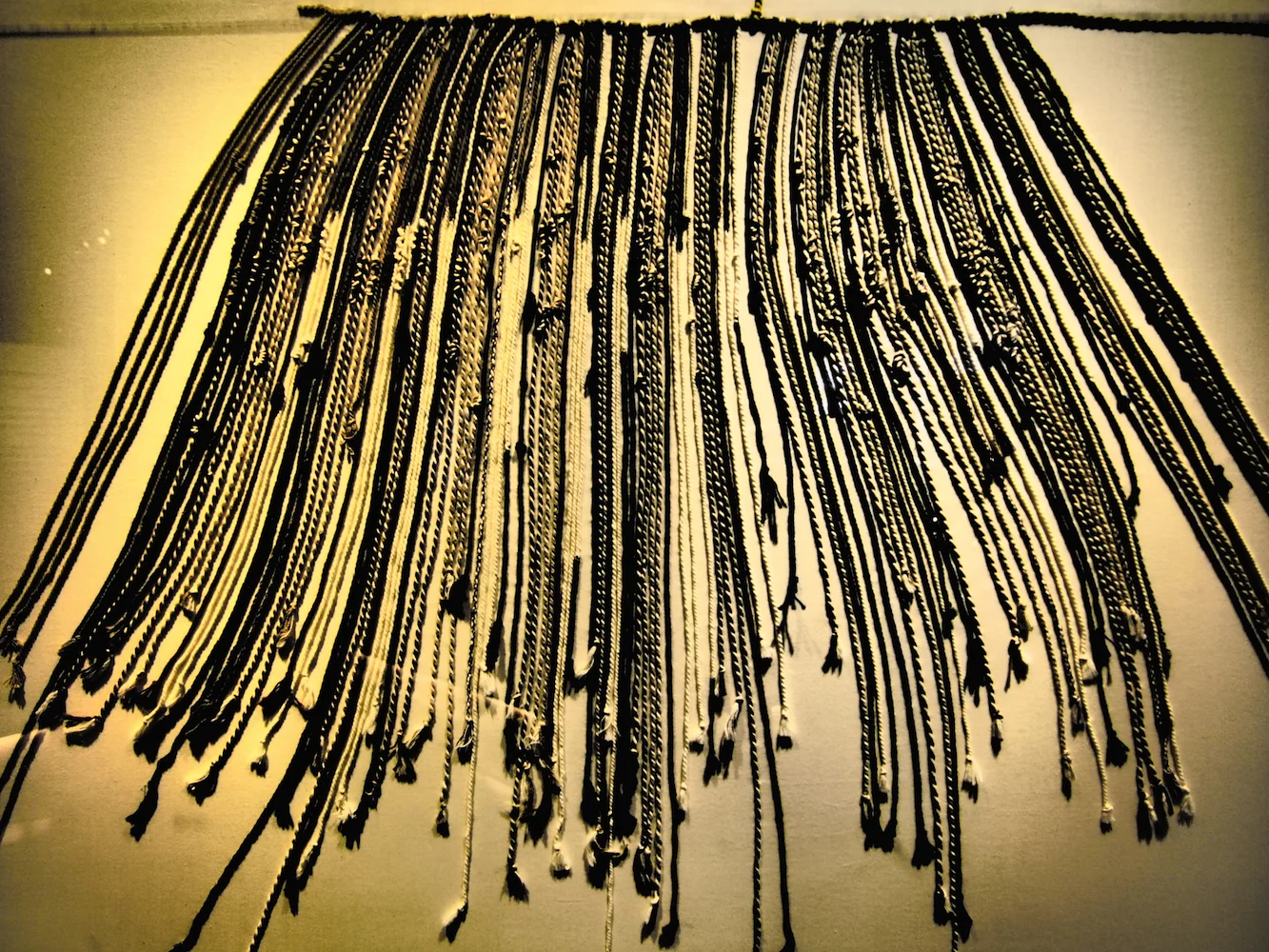
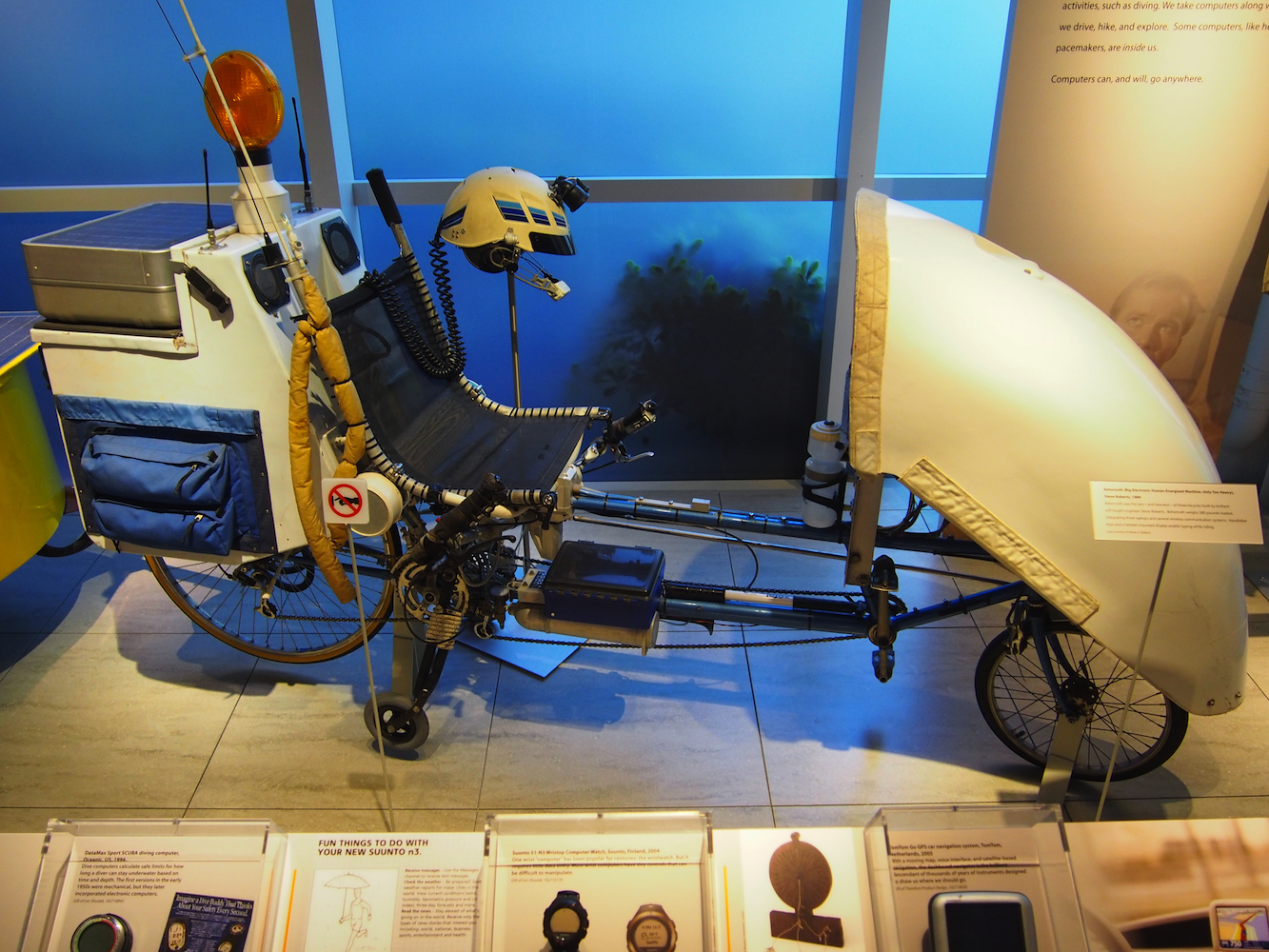
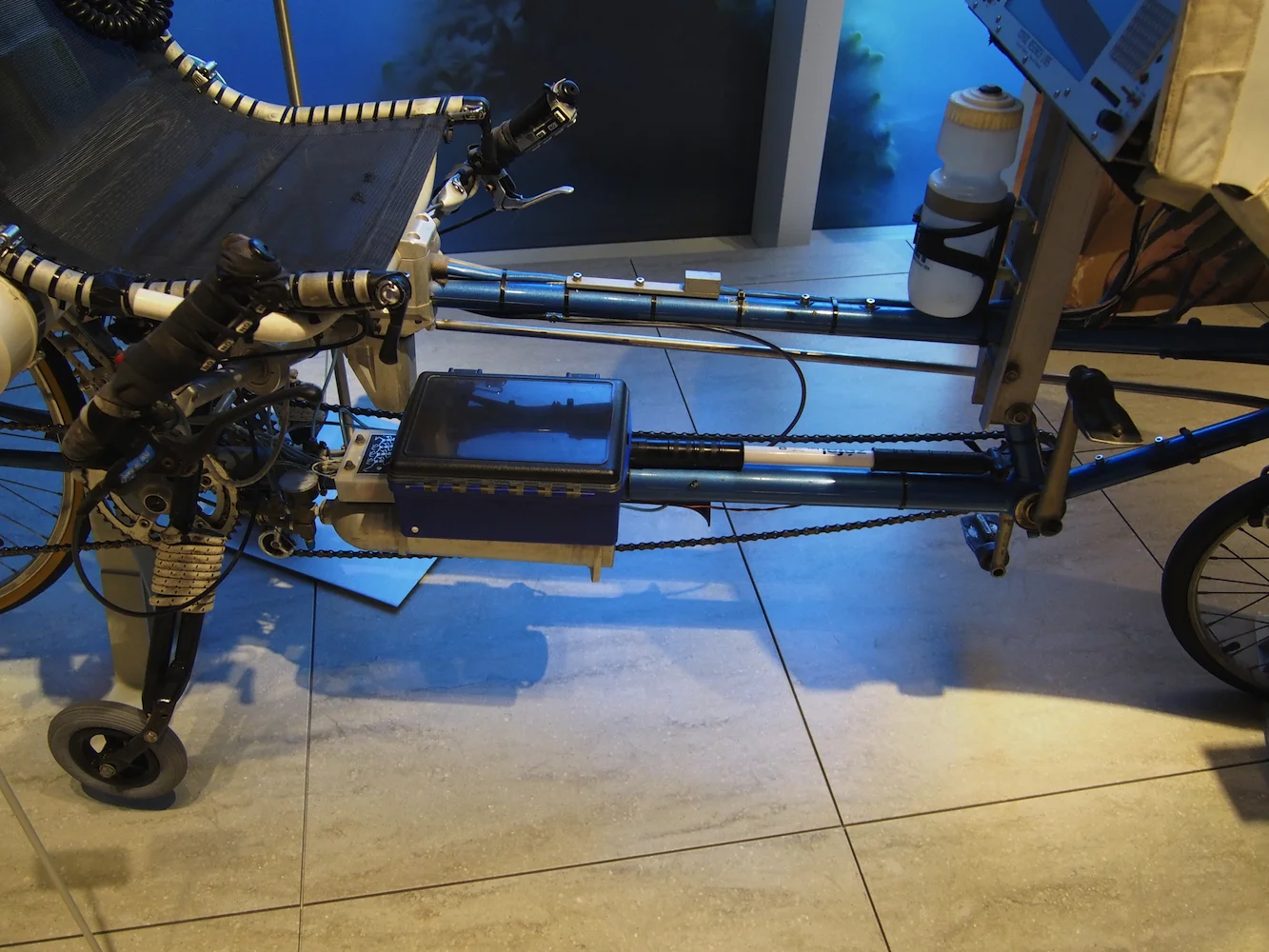
Top left sees a volunteer demonstrating the Babbage Difference Engine. This is one of two in captivity and is owned by Nathan Myhrvold sometime CTO at Microsoft, CEO of Intellectual Ventures and scientific chef. For a Museum about such a radical and world changing subject it's a surprisingly traditional historic, object-based presentation. But deeply satisfying and intriguing nonetheless. As well as one of the early Apple laptops you can see the famous Norden bomb aiming sight, Peruvian knotted rope which contains a code and an eccentric recumbent bicycle. Of the rope code the Web says:
The Inca Empire (1438–1533) had its own spoken language, Quechua, which is still spoken by about a third of the Peruvian population. It is believed that the only “written” language of the Inca empire is a system of different knots tied in ropes attached to a longer cord. This system is called quipu or khipu. The ropes also have different colors, which may have encoded information. There is evidence from the Spanish crusades that quipus encoded census data as well as stories. However, no one knows how to decode either kind of information. There are several hundred quipus in the world today, waiting to be read.
Two Wheels - The Science of Balance and the Feeling of Freedom
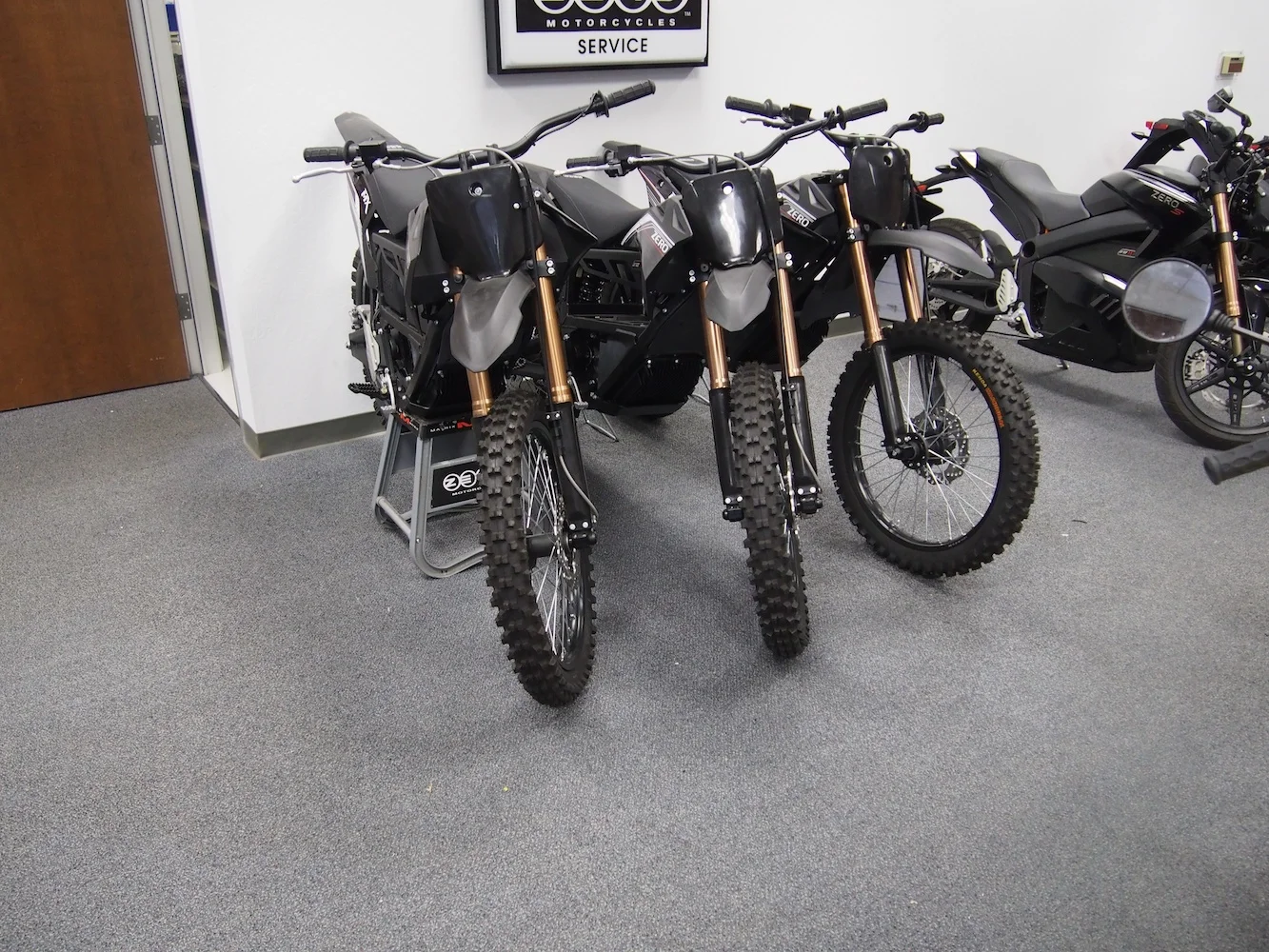
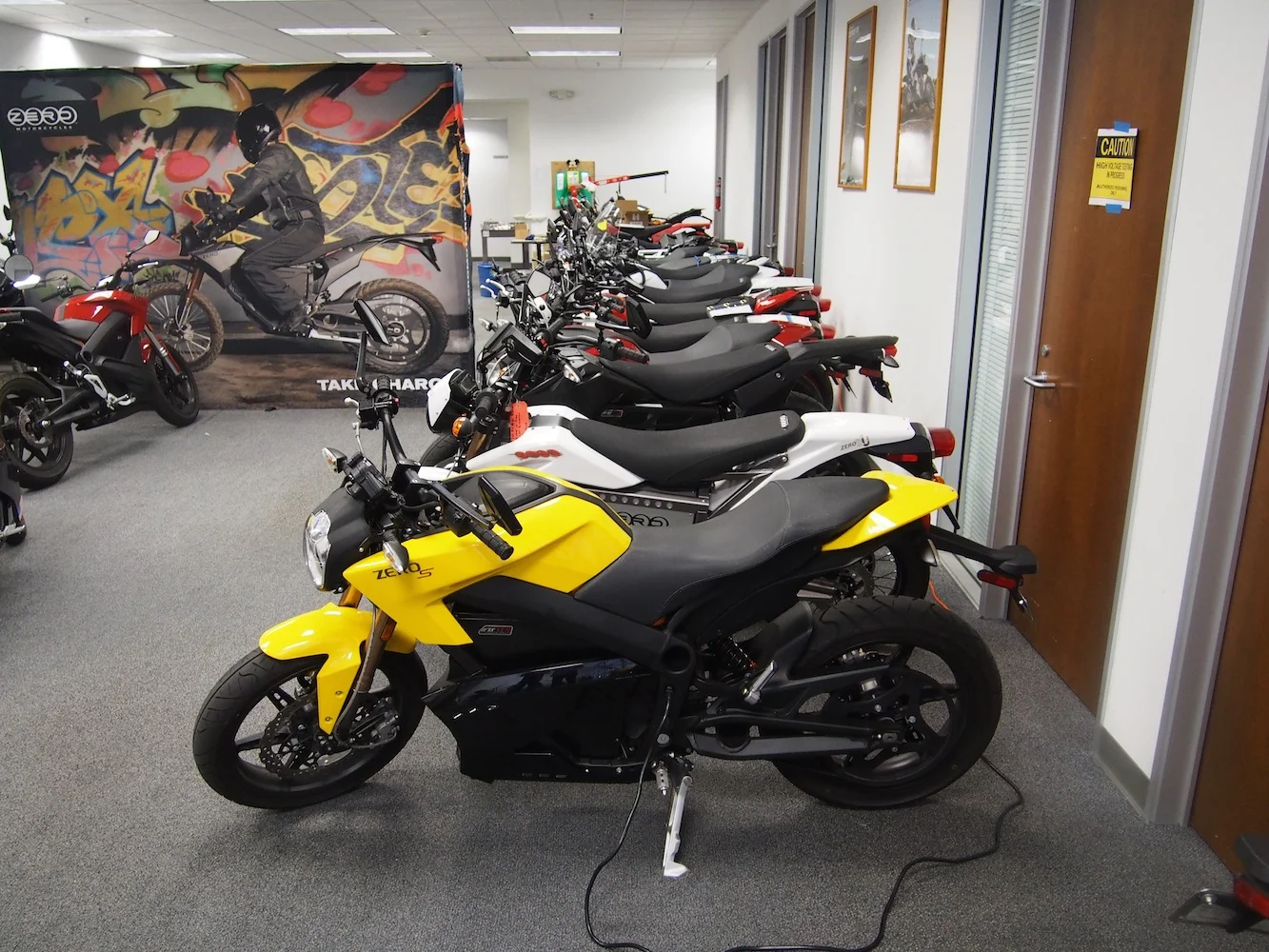
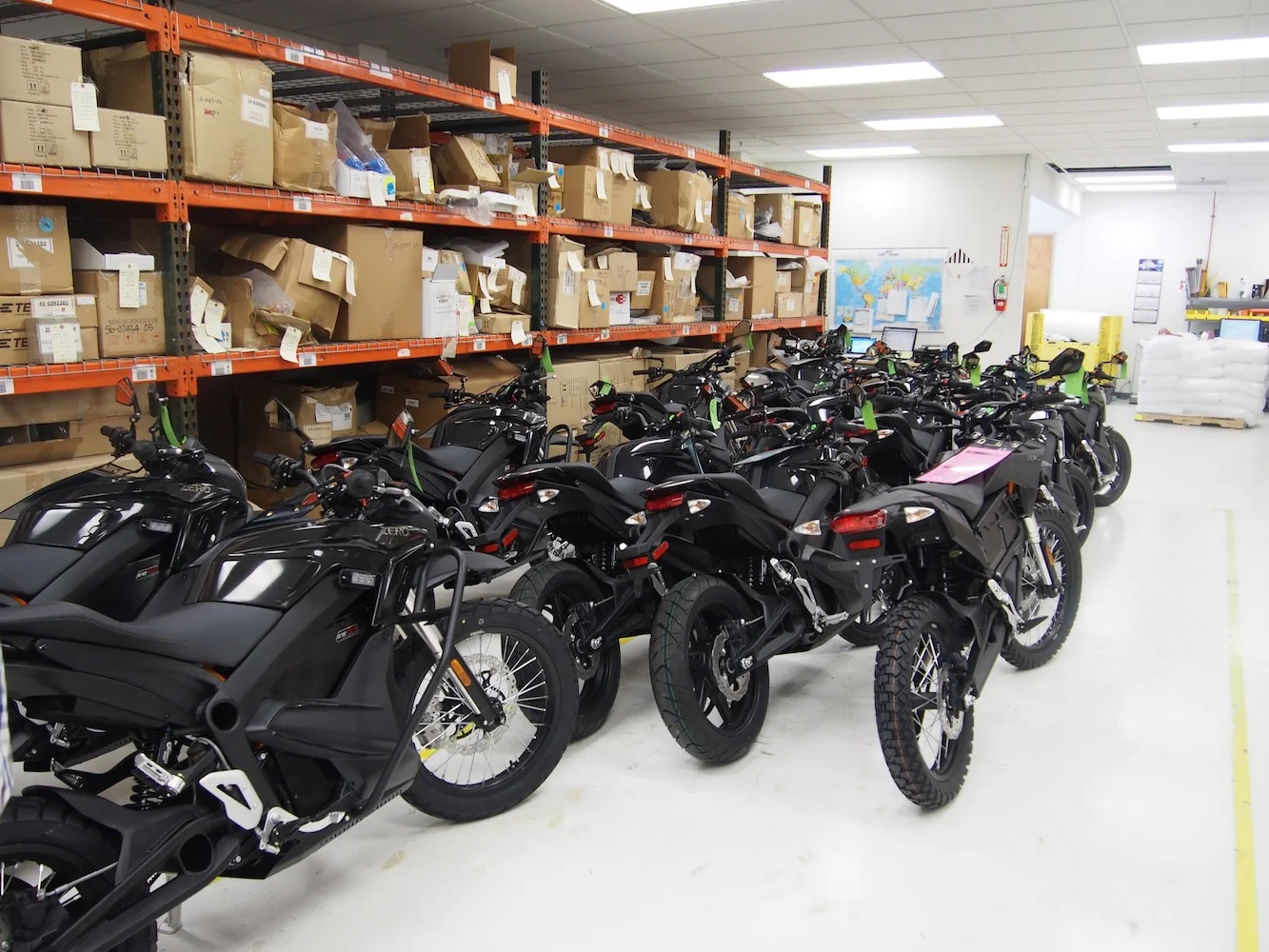
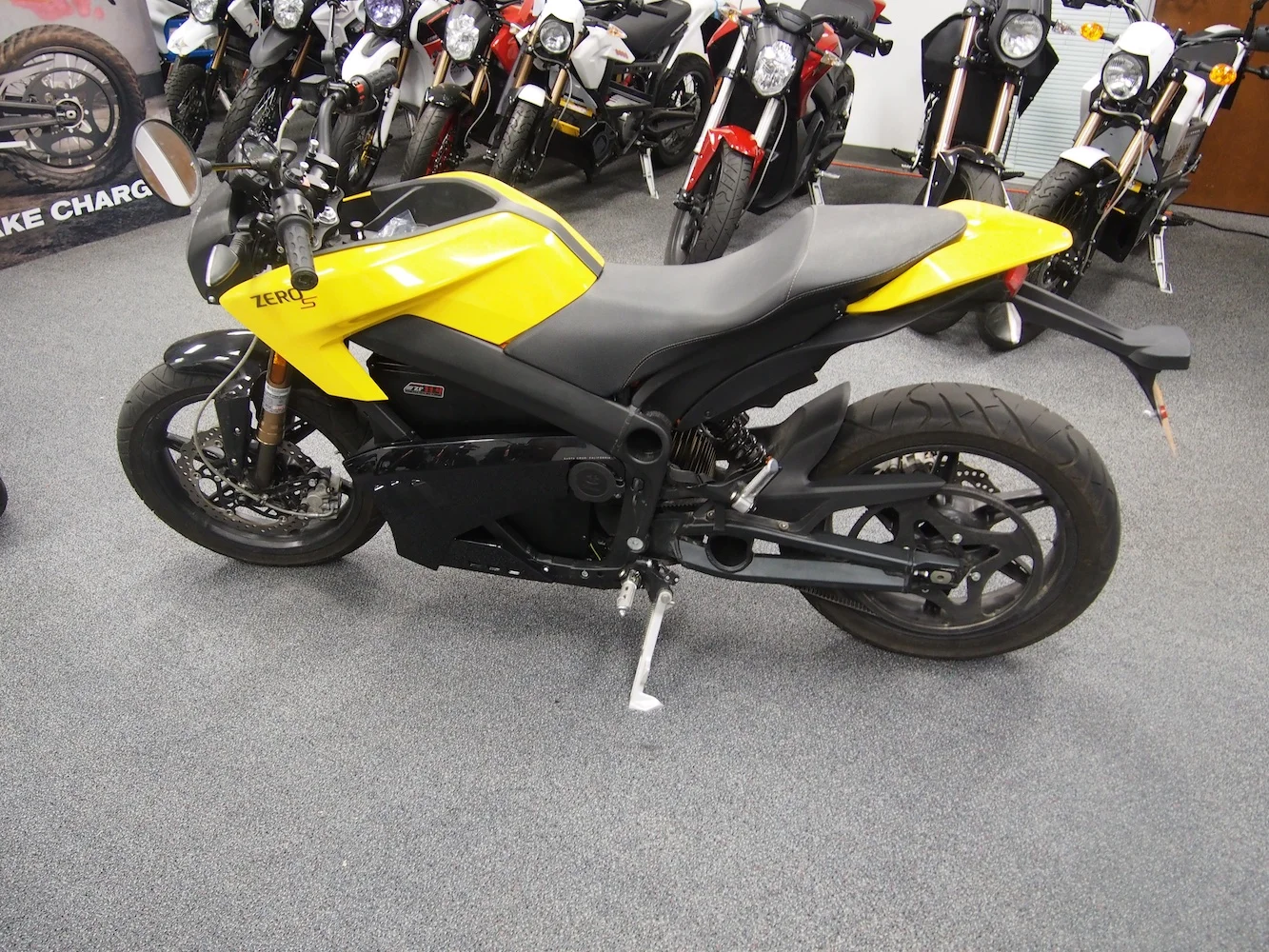
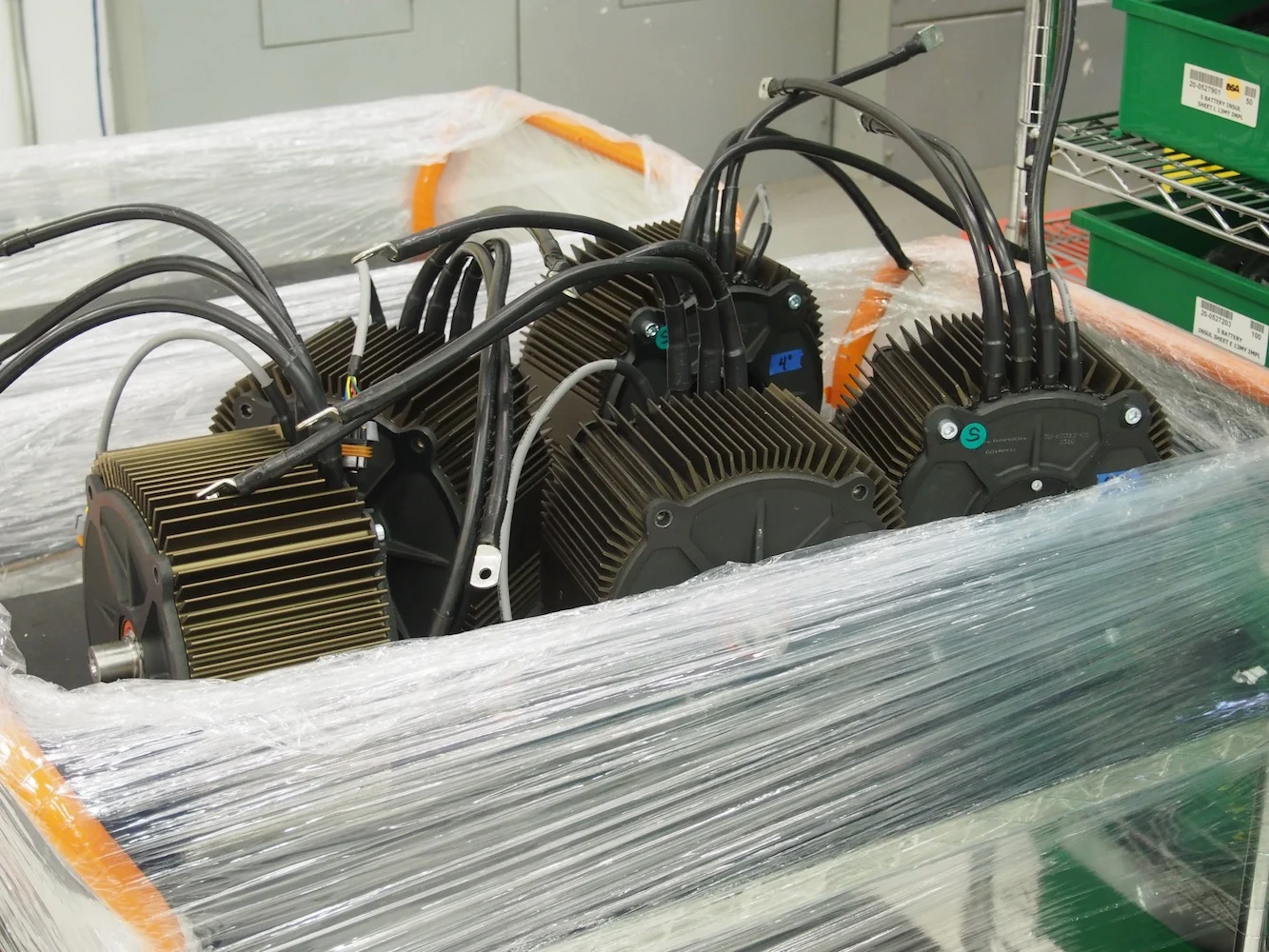
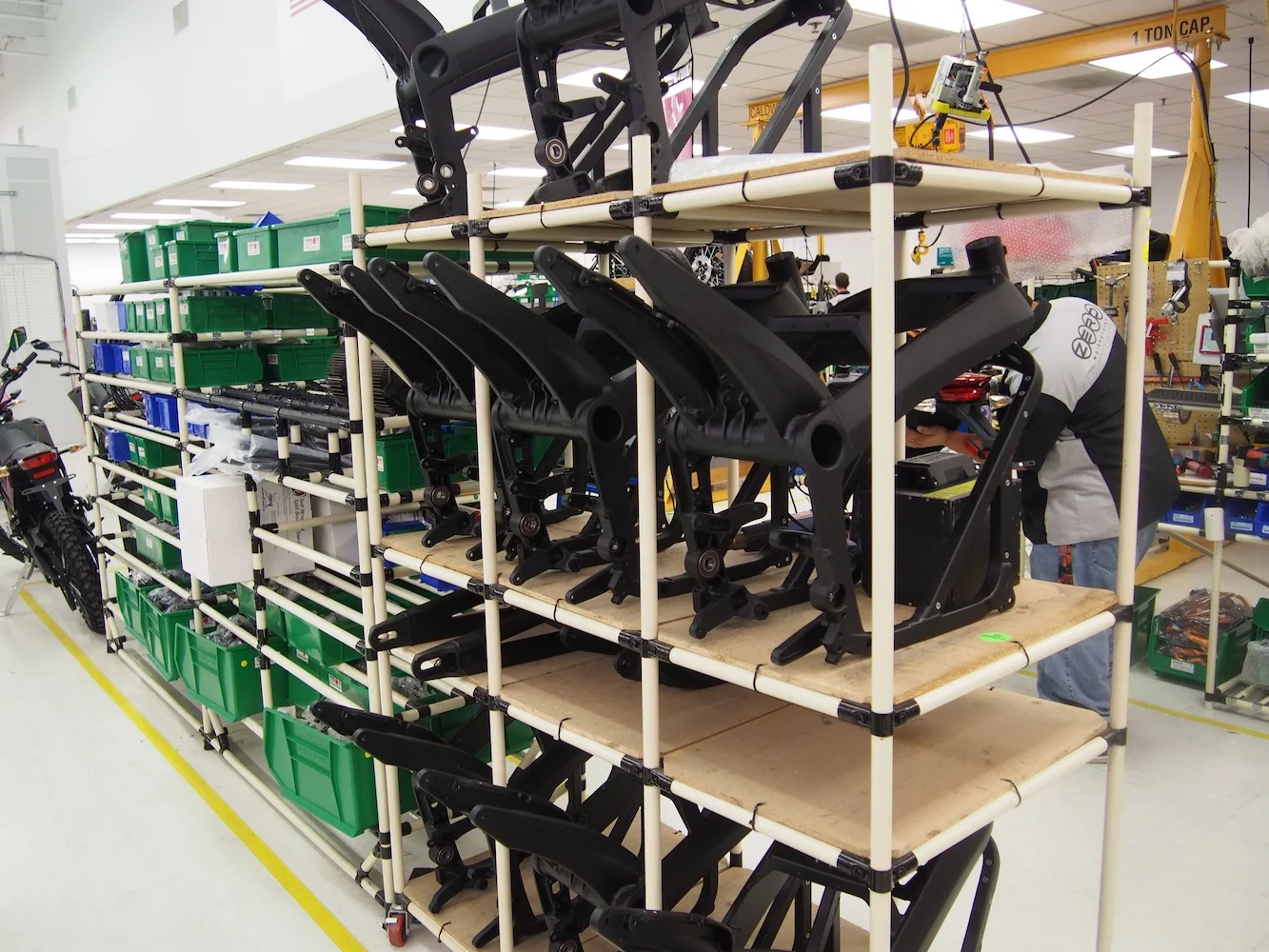
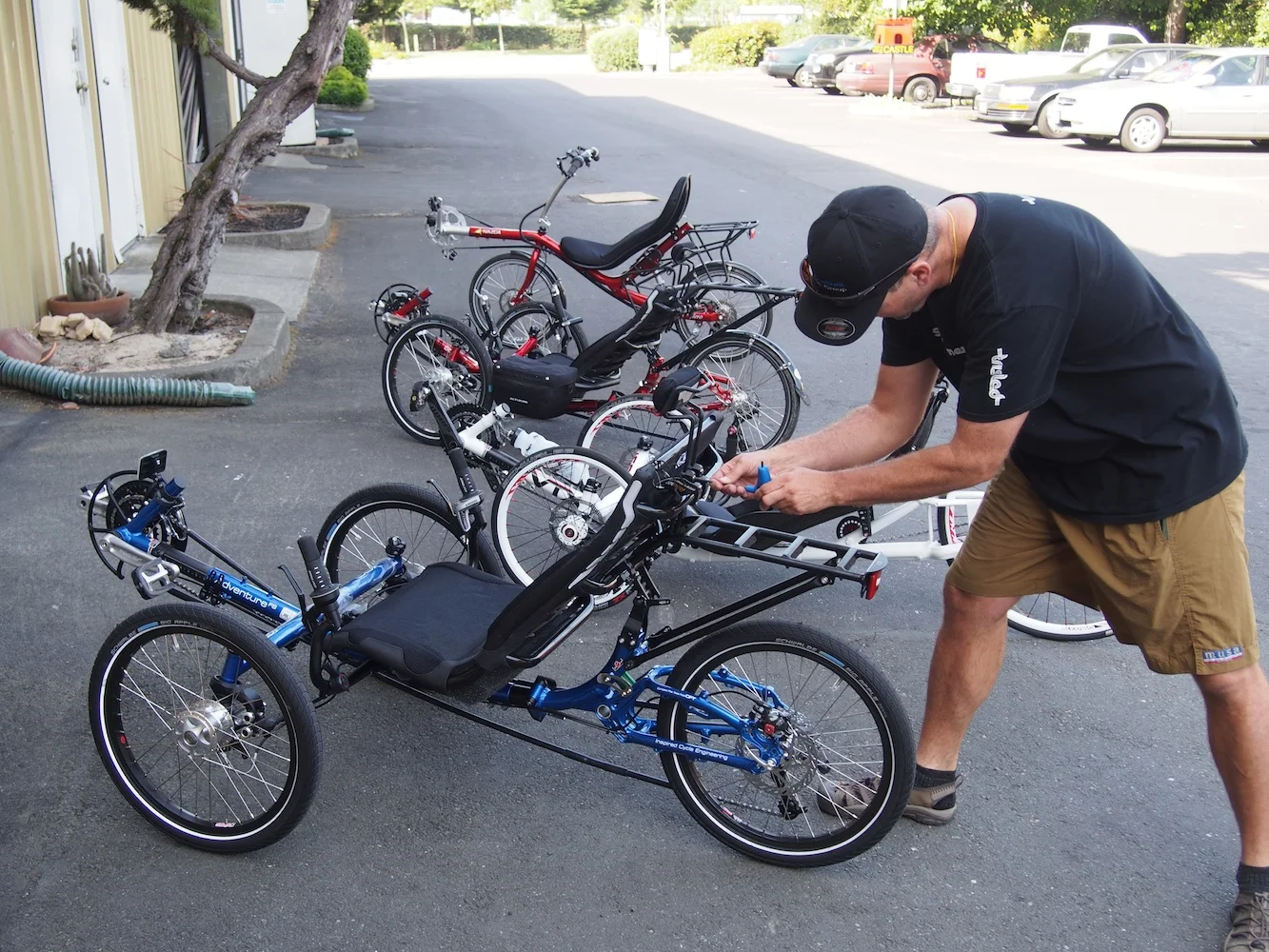
Apart from the computer Museum and the Exploratorium I went to look at some real-world engineering at Zero Motorcycles and Spincyclz Petaluma, CA. The bicycle is one of the purest forms of engineering we've created, where form and function truly meet. The physics and mechanics of the bicycle are endlessly fascinating and below you can see some expressions of that complexity - trikes and two wheeled recumbent bicycles. Ironically, the trike that I most liked by ICE (Inspired Cycle Engineering) is designed in Cornwall. The motorcycles are truly fast, running like a Tesla car without a gearbox; there's a single speed and twist grip. Such un-geared single speed machines were of course once the norm, as in the steam engine. The gearbox or worse the derailleur are less pure, power loss inducing devices. The exposed chain and derailleur are particularly unpleasant in design terms.
Although similar sets of engineering and scientific principles apply to the motorcycles and bicycles there is no proper attention to these matters nor indeed to the social and technical history of the machines in any museum worldwide. Certainly not the National Motorcycle Museum in the UK.

Museums and Resilient Leadership
I'll be speaking about the MRL programme with Nick Winterbotham at the Association of Independent Museums Conference at the Black Country Living Museum on June 20th.
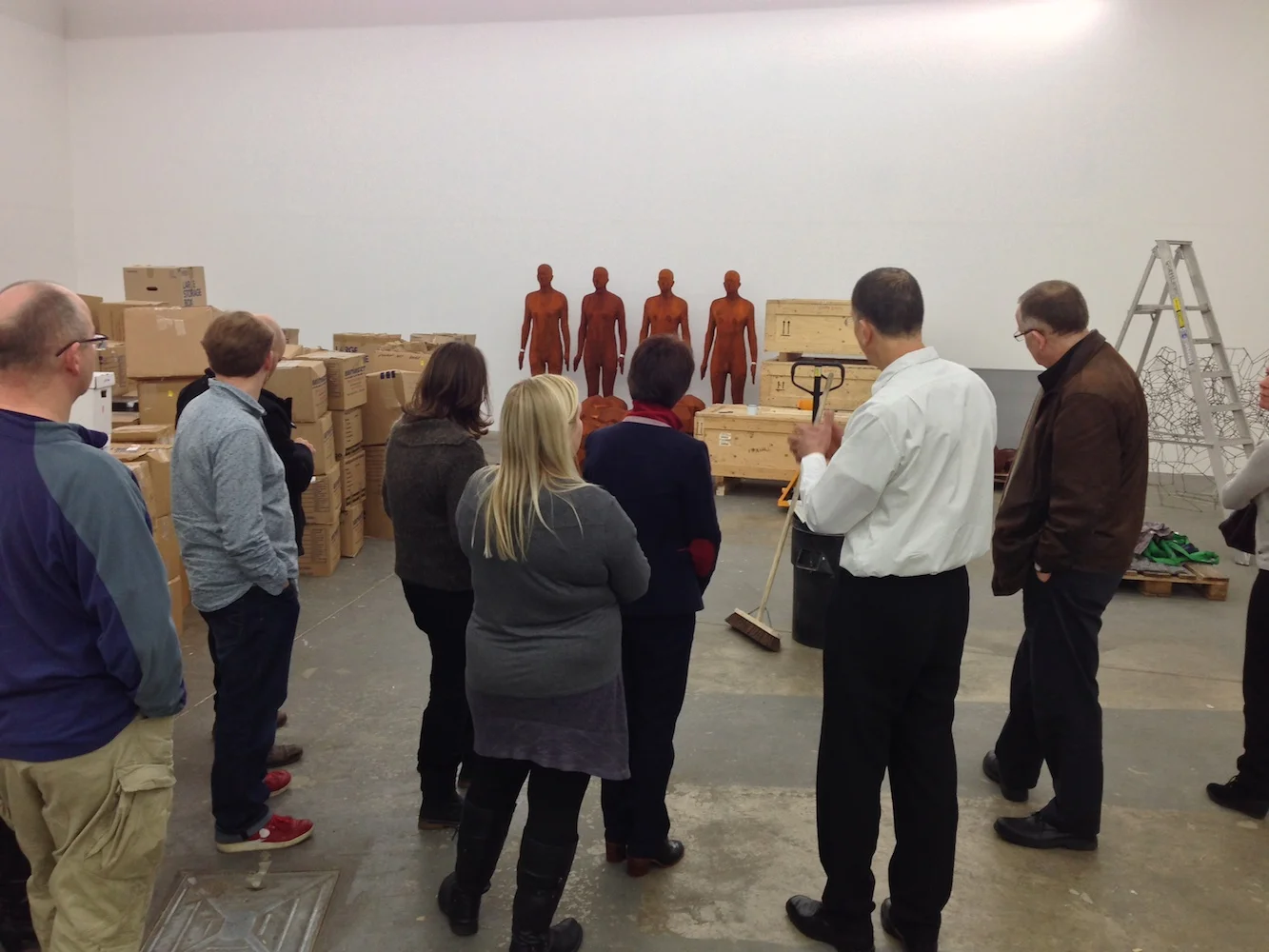
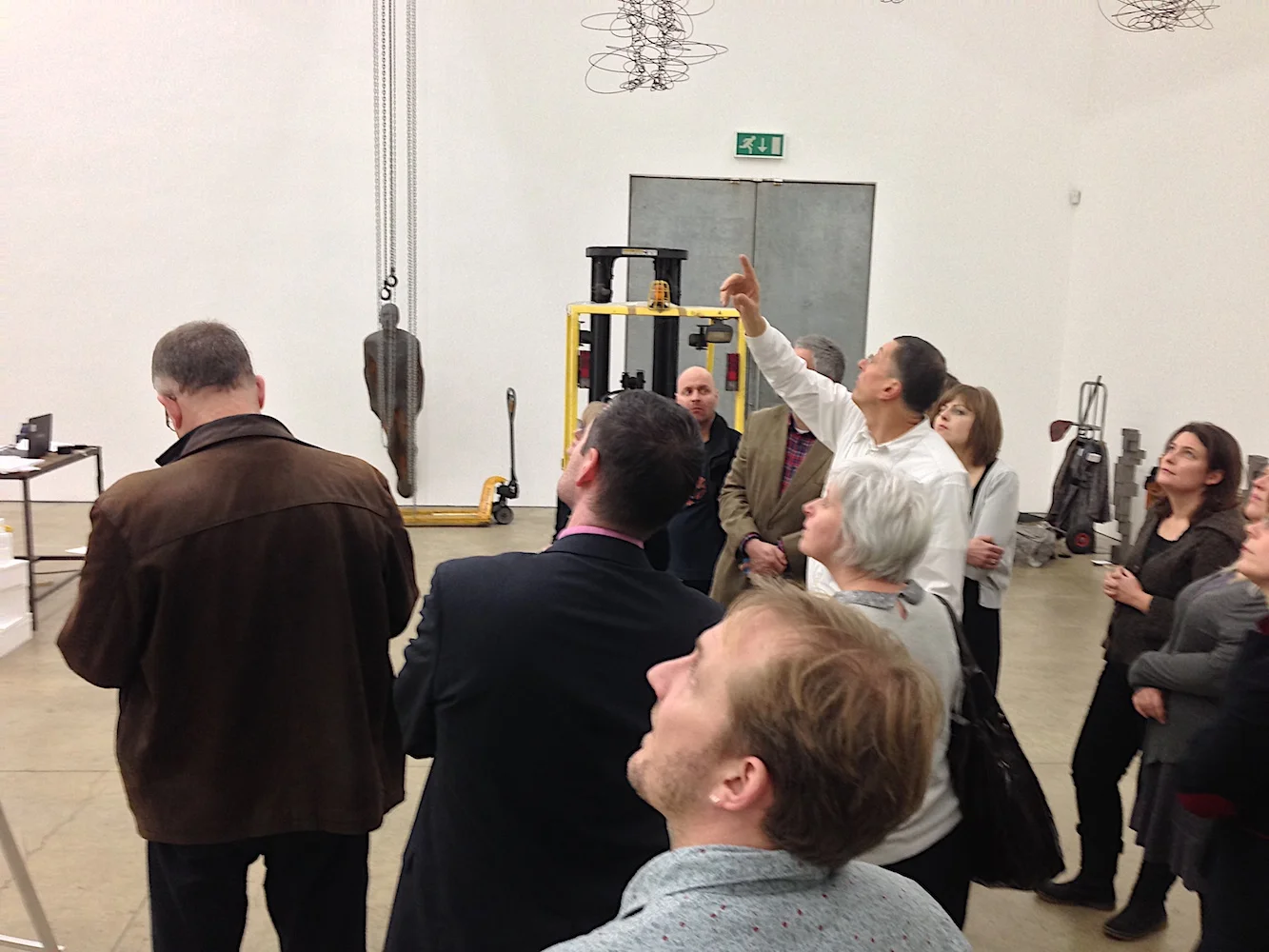
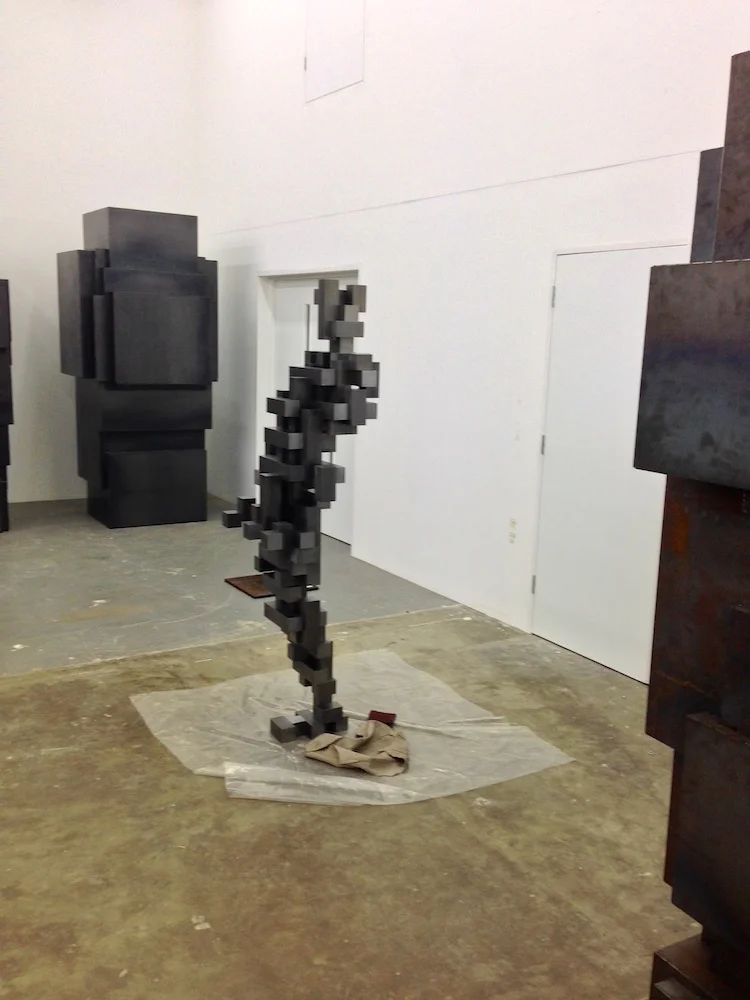
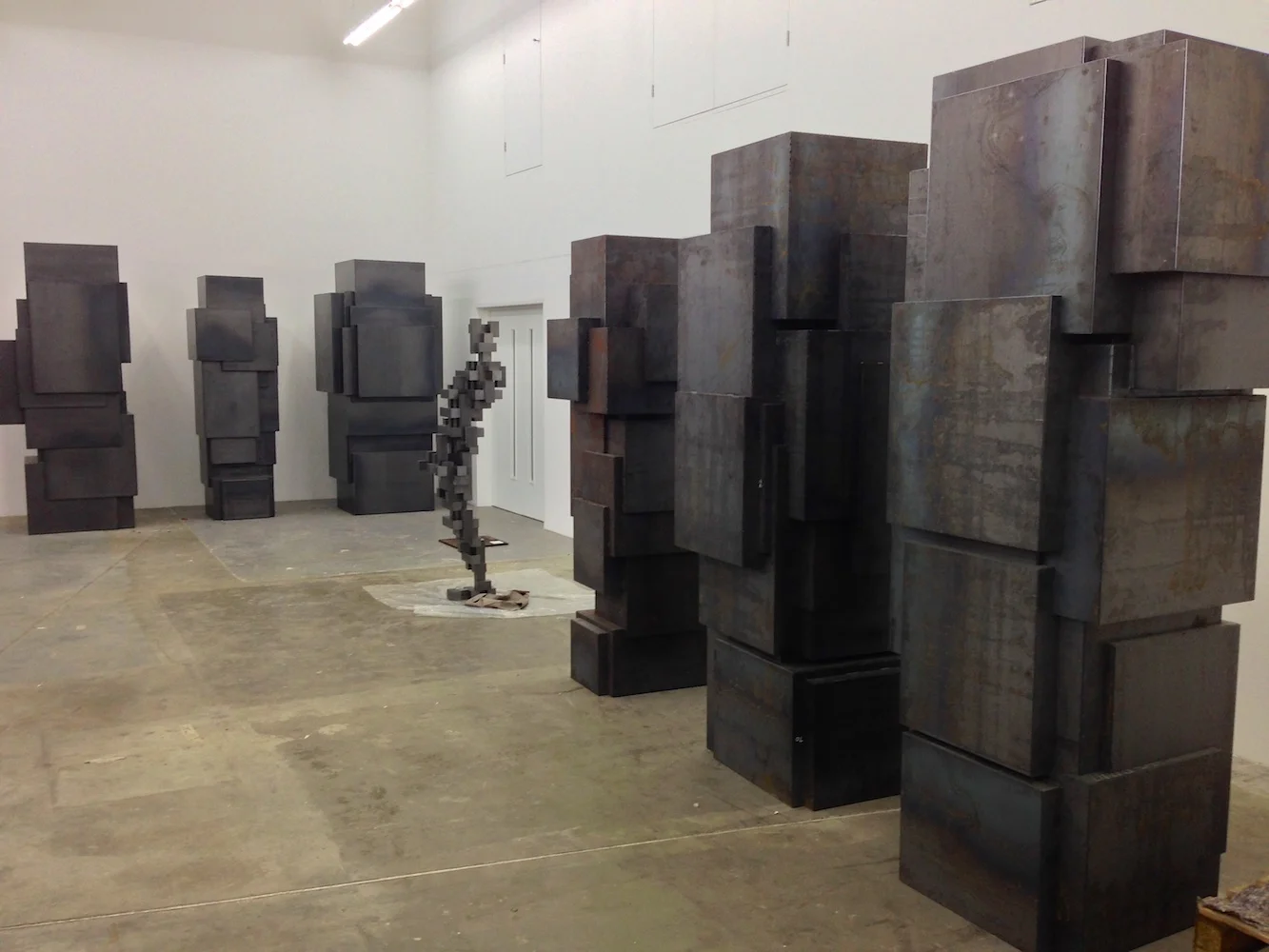
Highlights from 23 January 2014 - Studio Gormley..... We visited Antony Gormley because I was keen for the cohort to see how a practising artist also runs an art business. Gormley is also fascinating and engaged speaker, meditating on the nature of identity and the perceptual limits that we apply to understanding the human form. Gormley's work is all about proprioception.
Bahrain
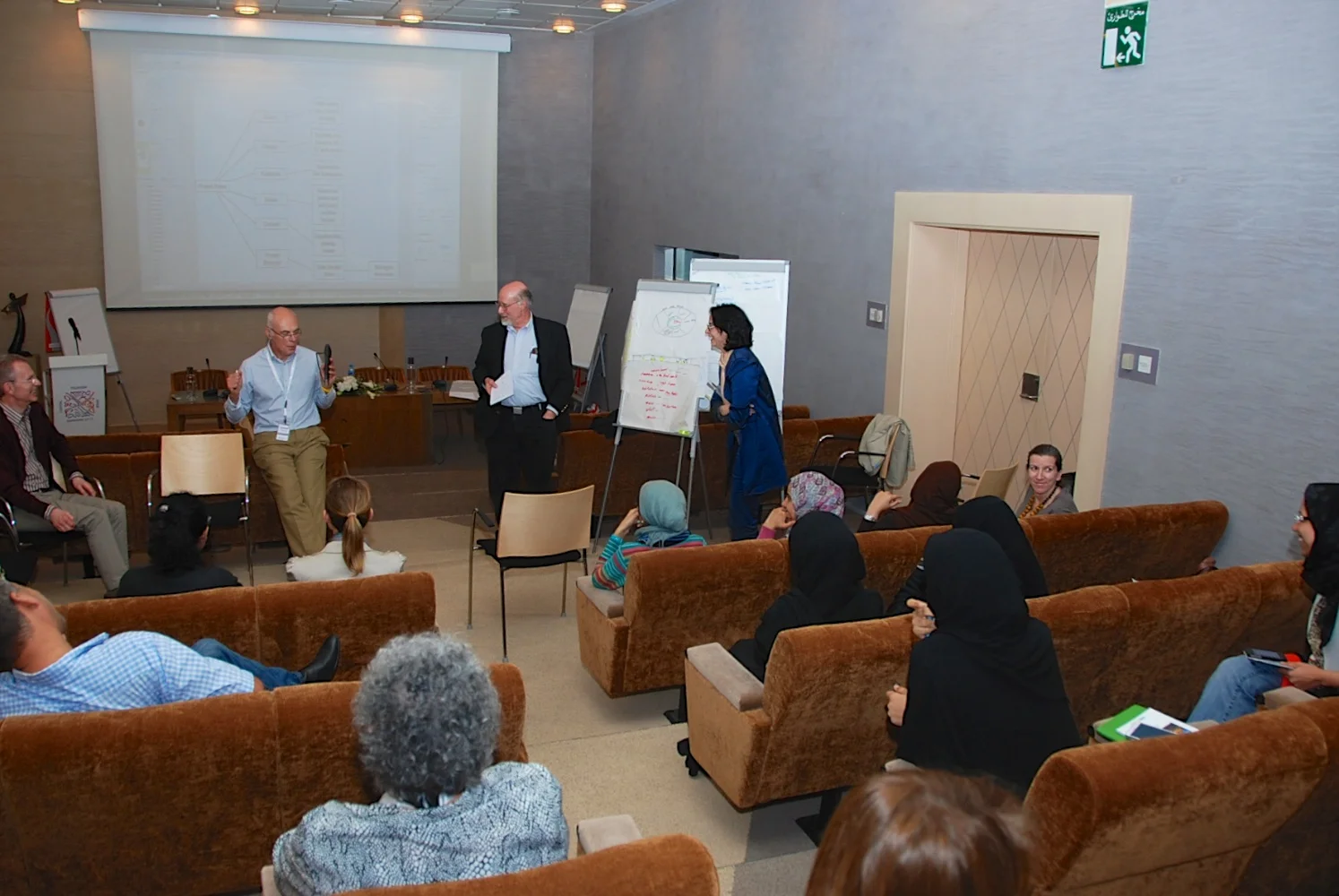
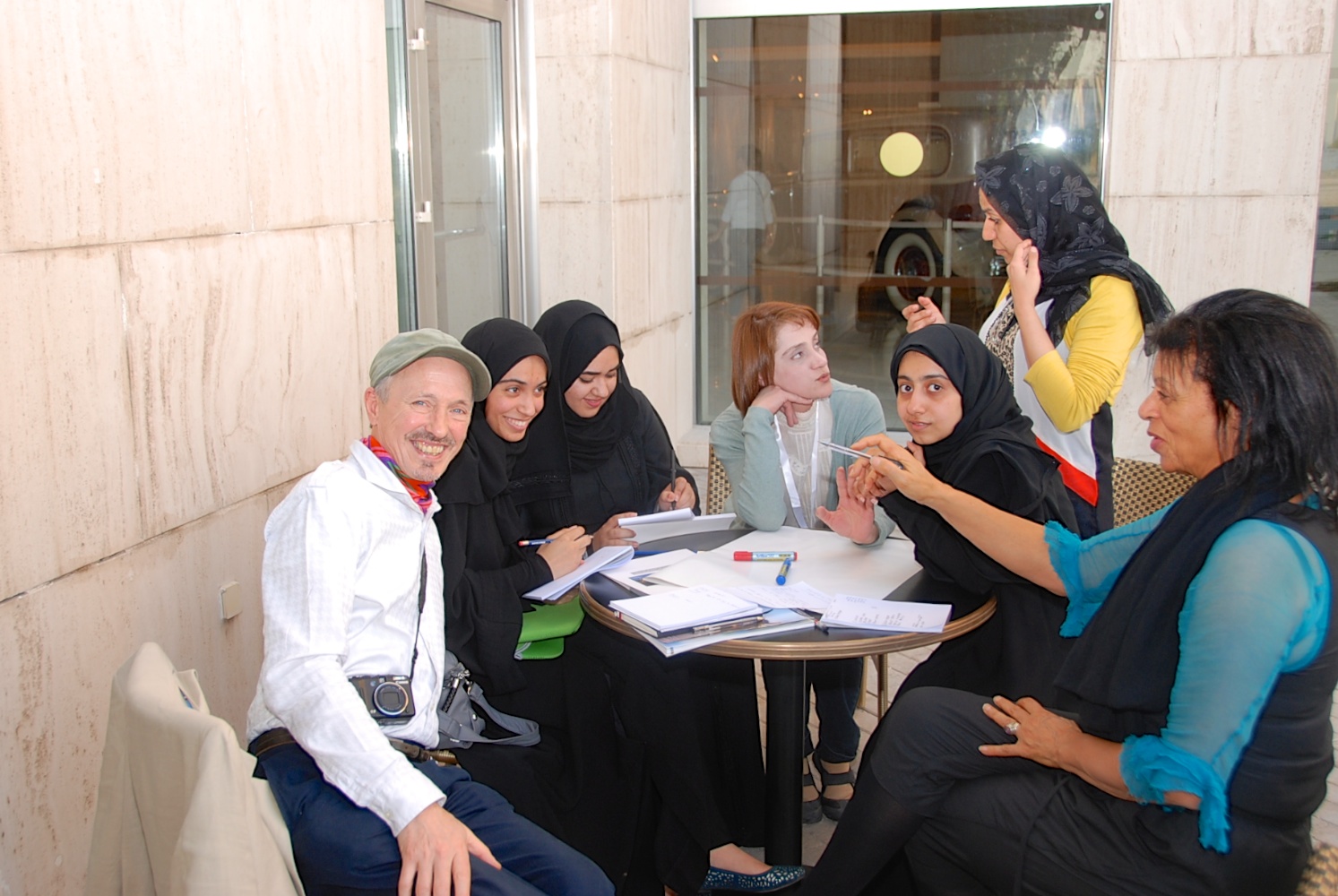
December 12 - 15, 2013. Speaking at the 25th Anniversary Conference of the opening of the National Museum in Bahrain for the Ministry of Culture. Workshops in action.....
Resilience and Commercialisation
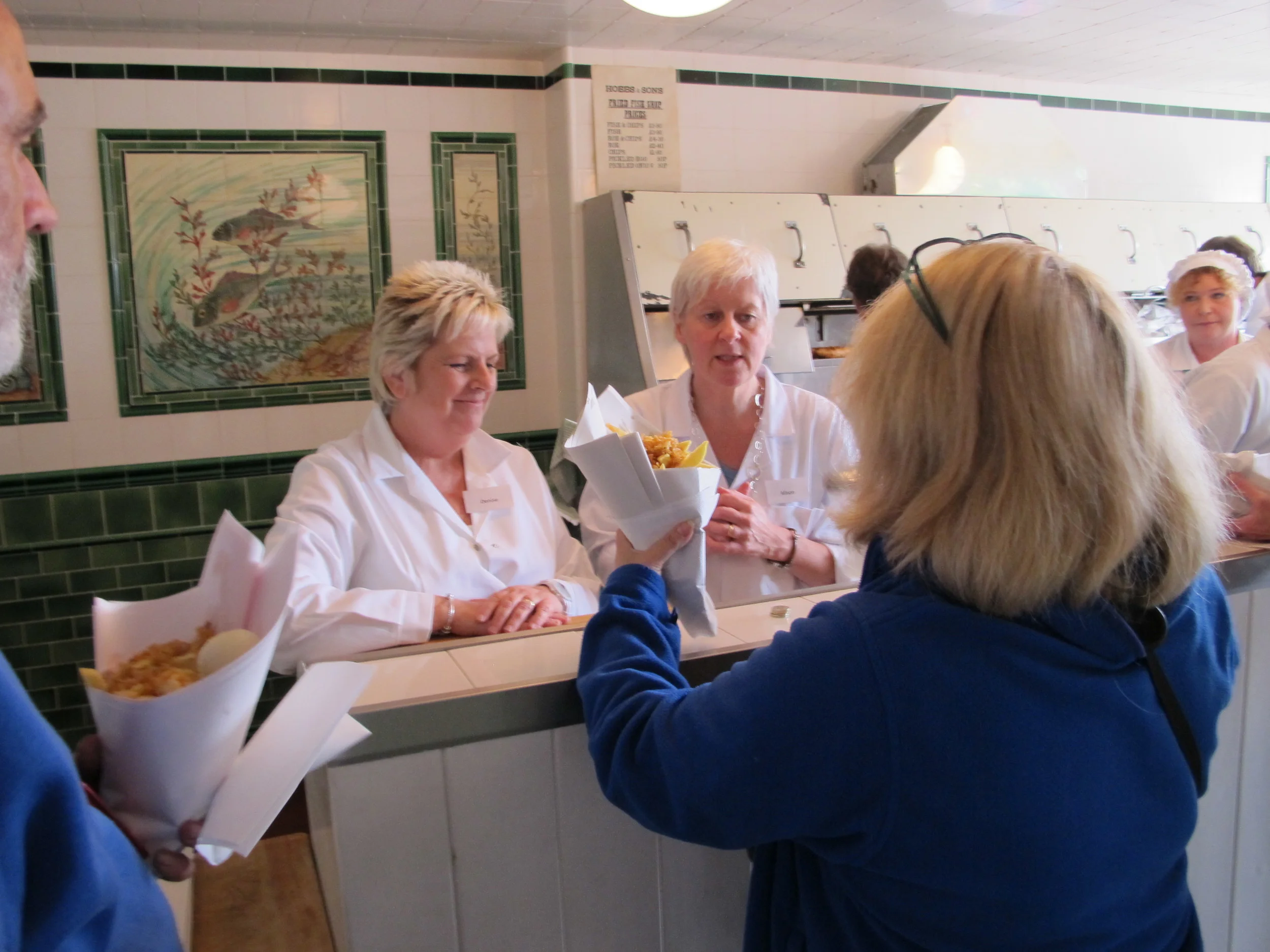
December 2013 - we've just been commissioned by Luton Culture for a big commercialisation project - we in this case being SFL & the Black Country Living Museum. We'll we using some of the hands on learning techniques developed for the Museums and Resilient Leadership Programme.
BCLM is one of the very few 100% self funded museums in the UK.
Slovenia
I've been teaching on the Museums Management Conference Ljubljana 2013 3,4 & 5 October.
Constructing sustainable visions for the future
Museums Management in times of financial crisis....
"A survey in the Netherlands (2011) found out that the annual revenue generated by museums equals the total amount of public funding received. In other words every Euro invested in the museums sector by public funders creates another Euro in income. So why is it so hard to convince public funders that museums are worthwhile to have and invest in?
Museums have changed dramatically over the last 2 decades: not just where their core activities are concerned but also their role in an ever more changing global society. Some museums in Europe haven’t yet embarked on this change process, and as the financial crisis deepens these museums are even more at risk from further cuts in public funding.
This conference will gather museums professionals from all over Europe to explore new business models and innovative approaches to museums funding and share creative methods of good management practice...."
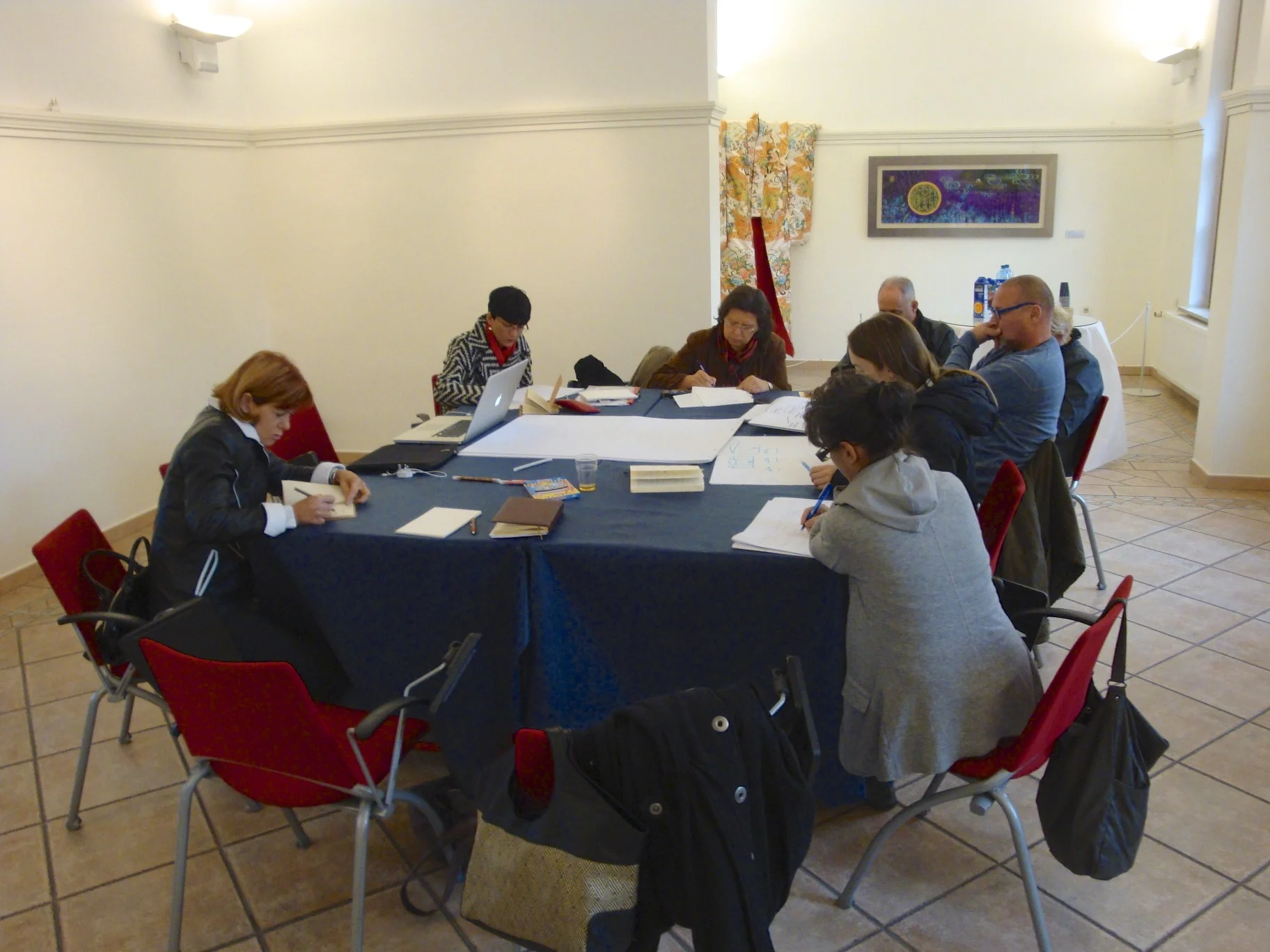
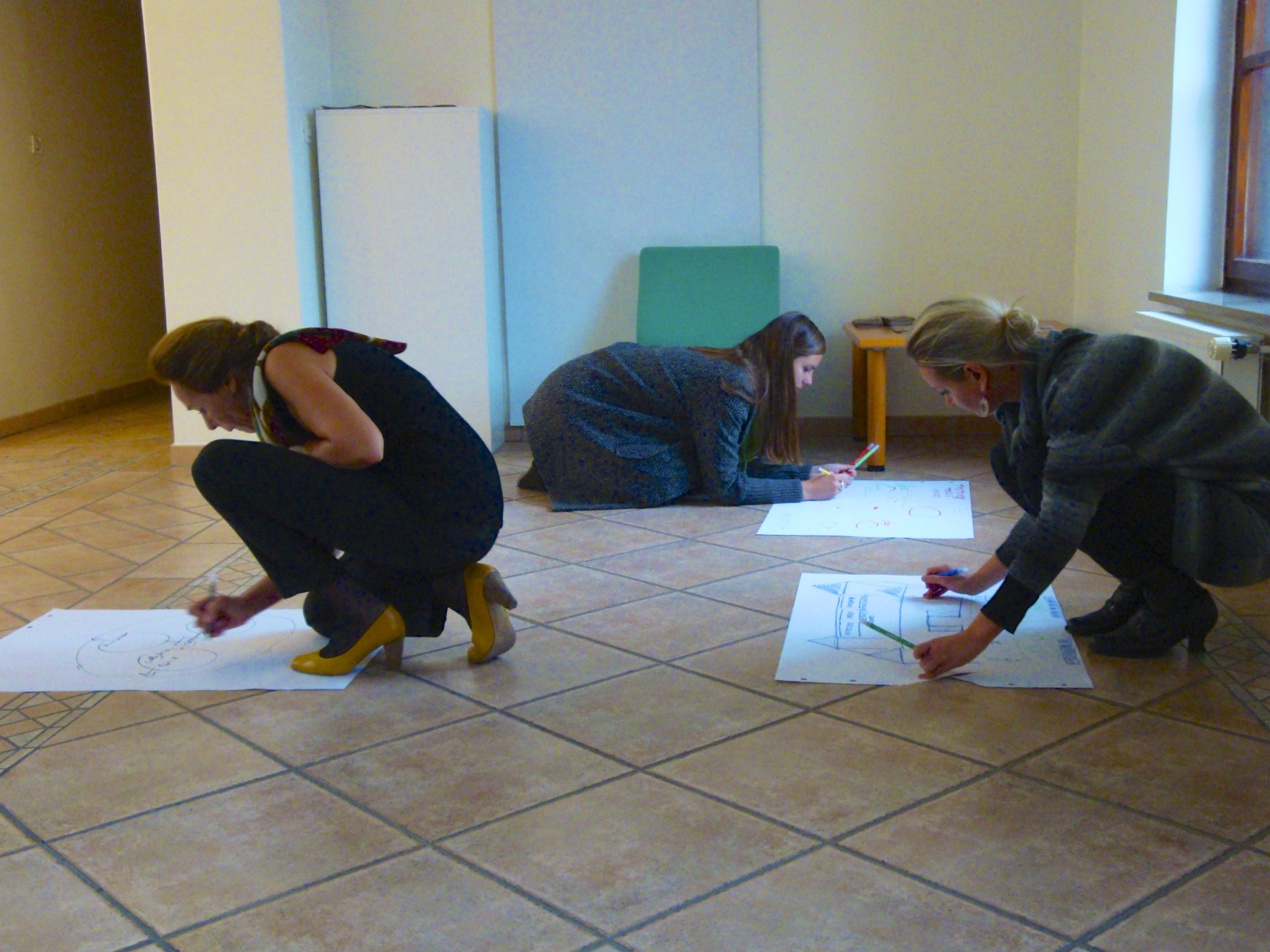
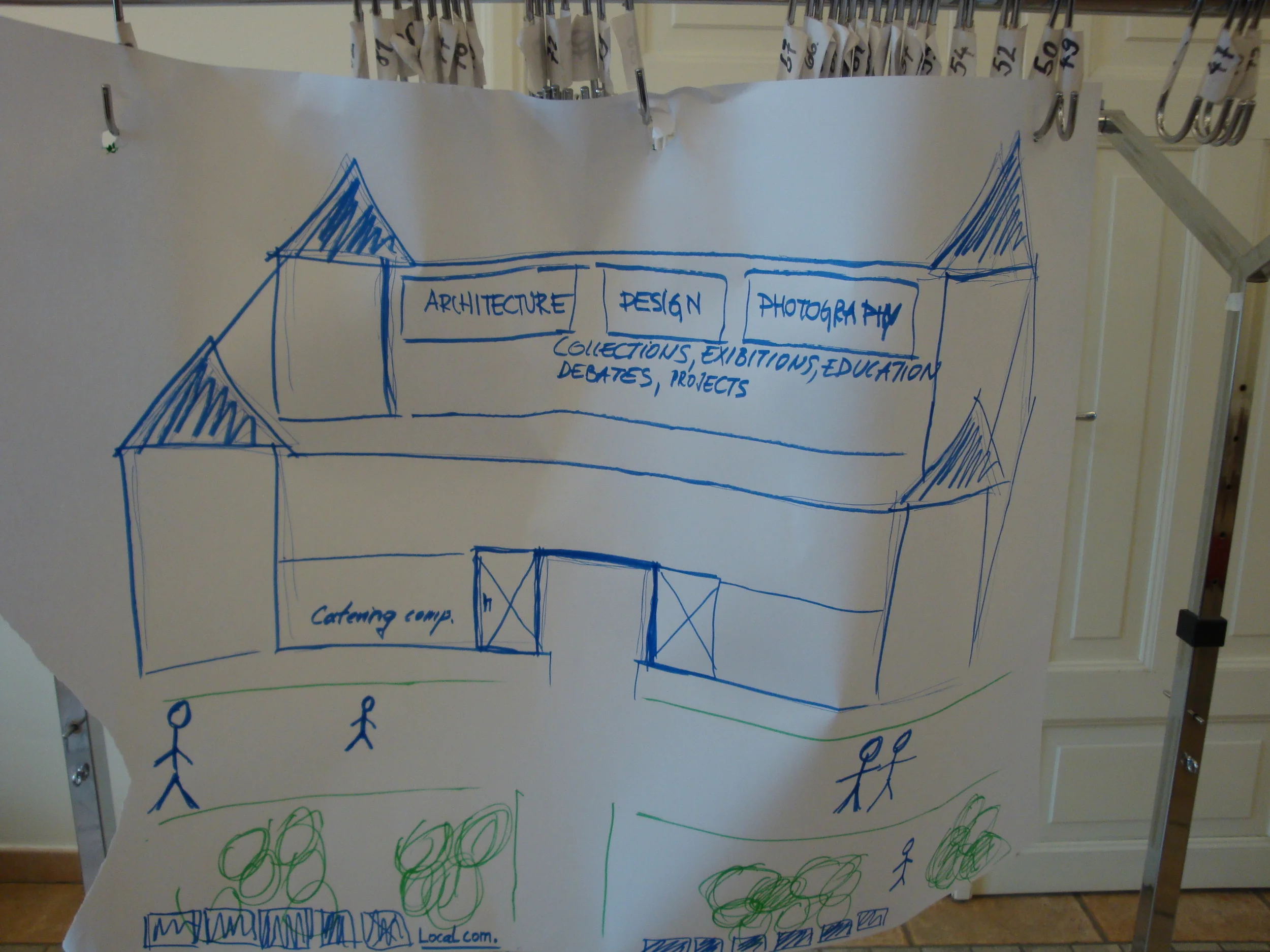
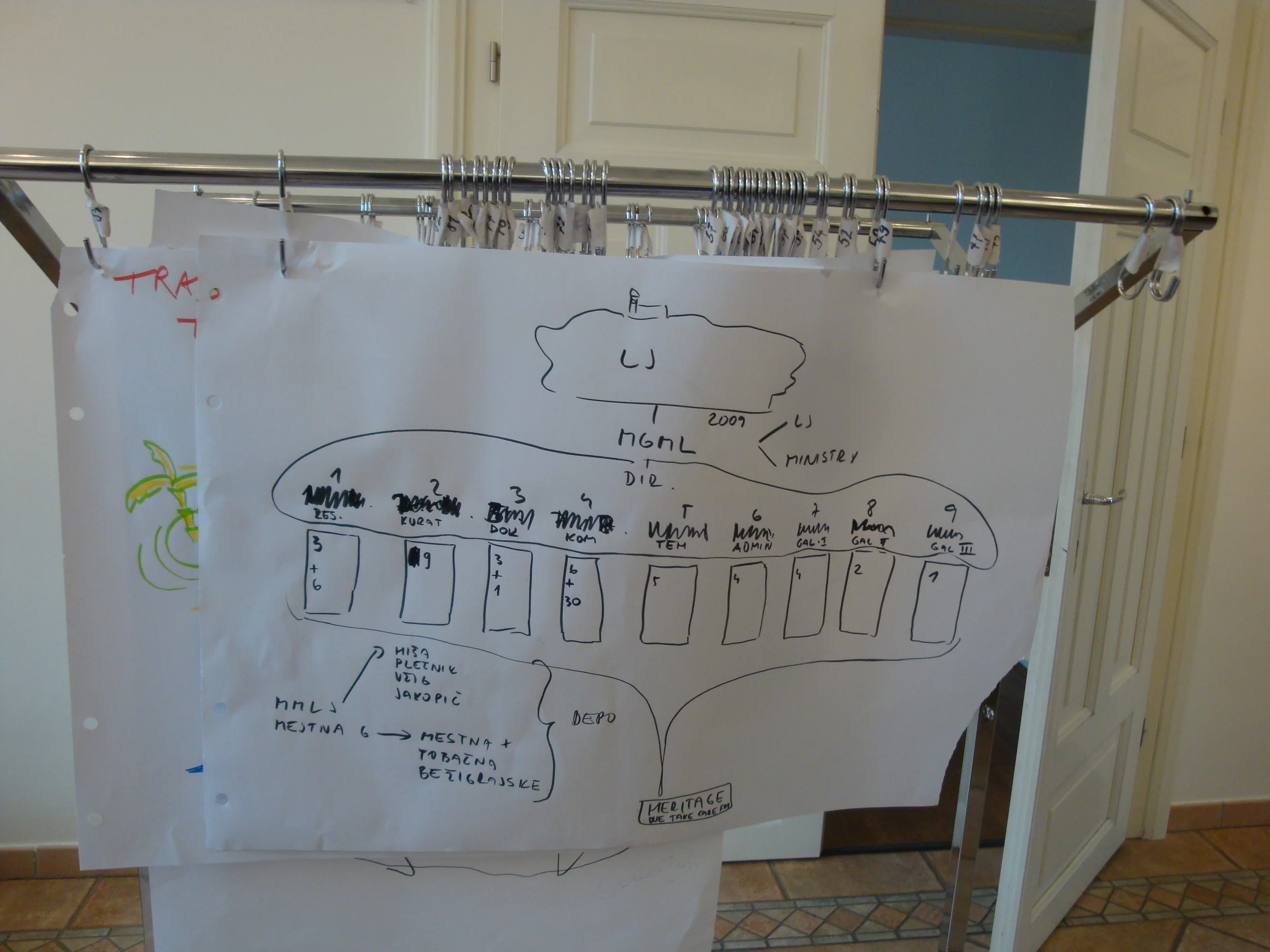
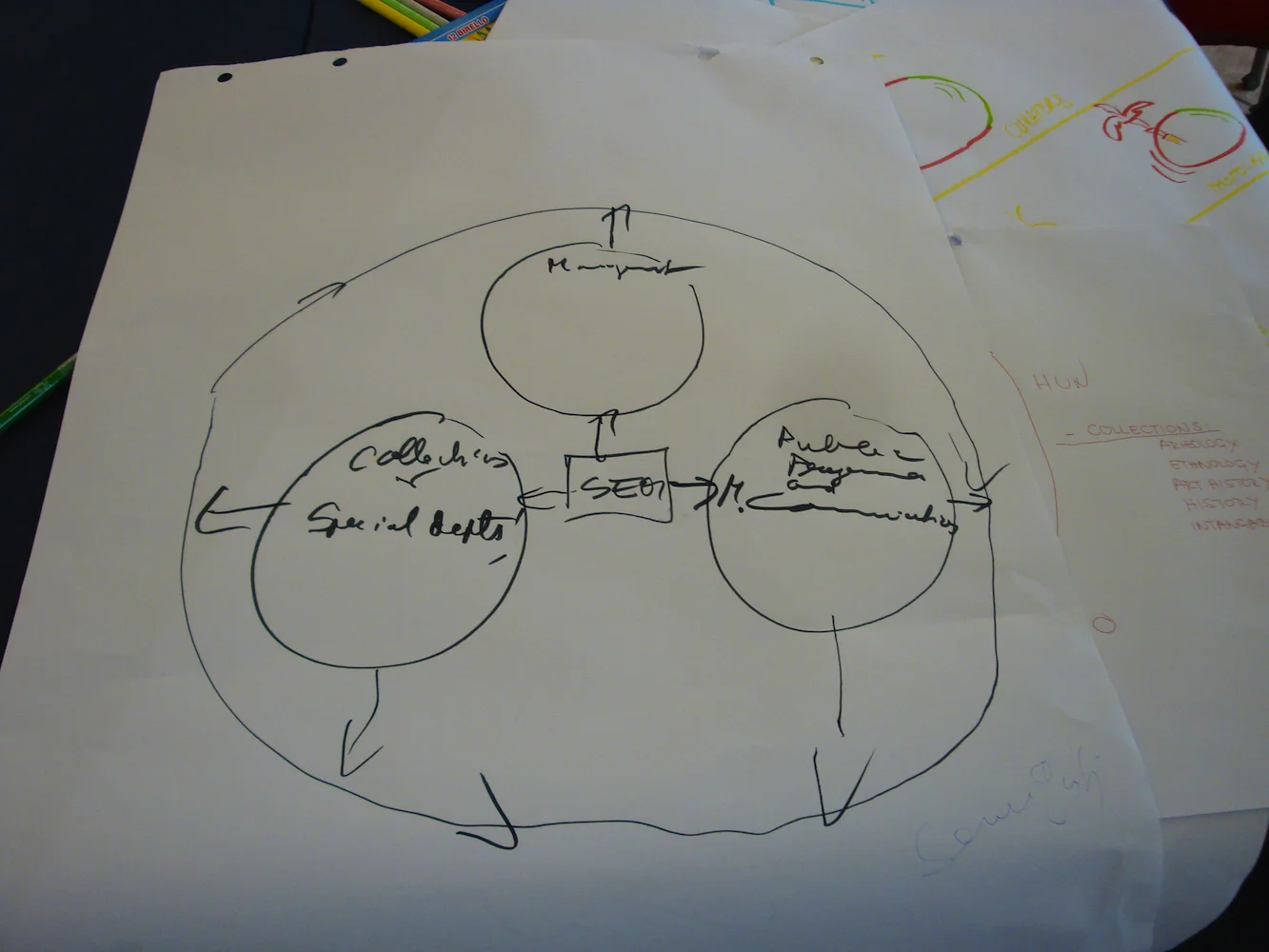
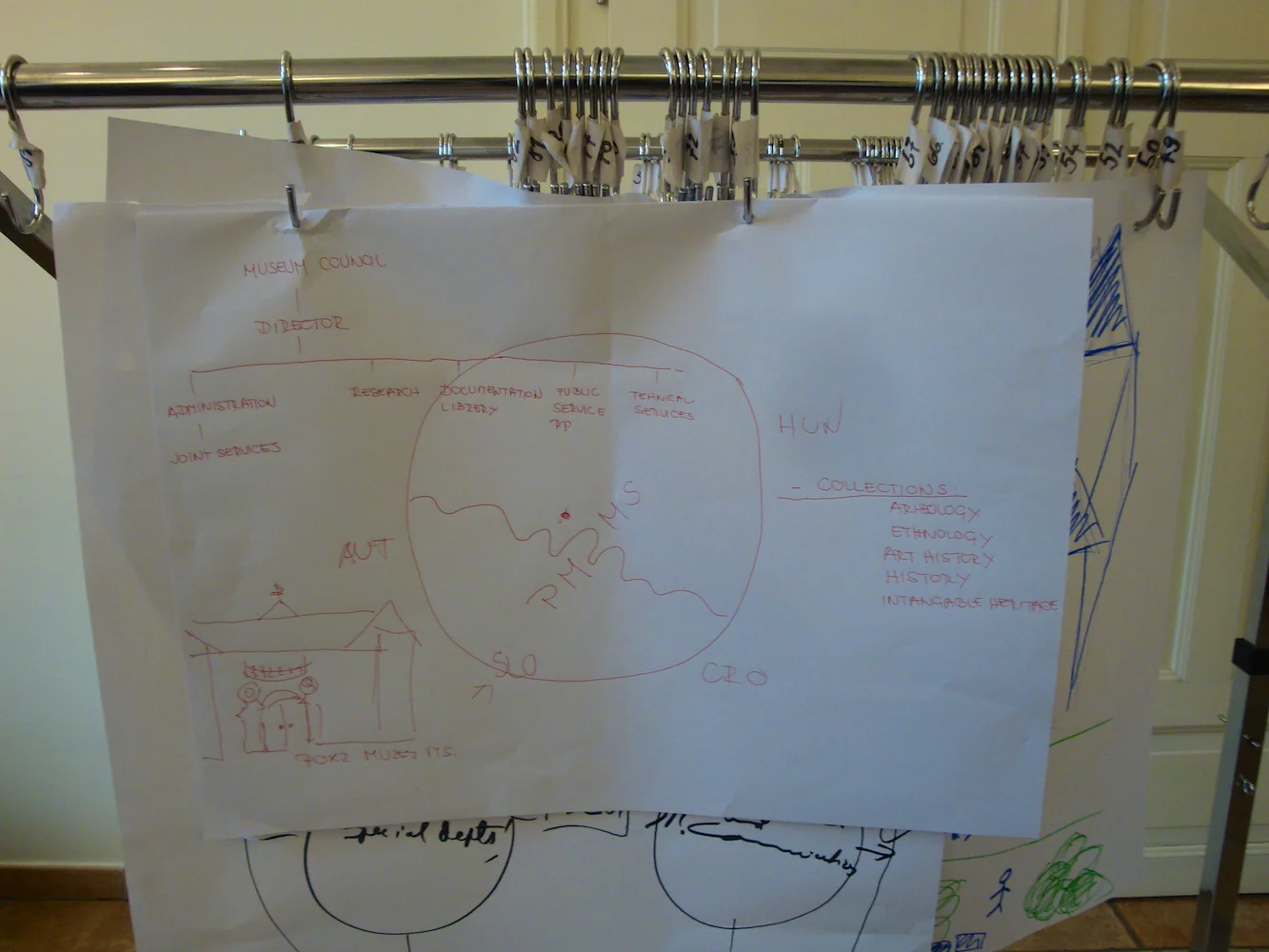
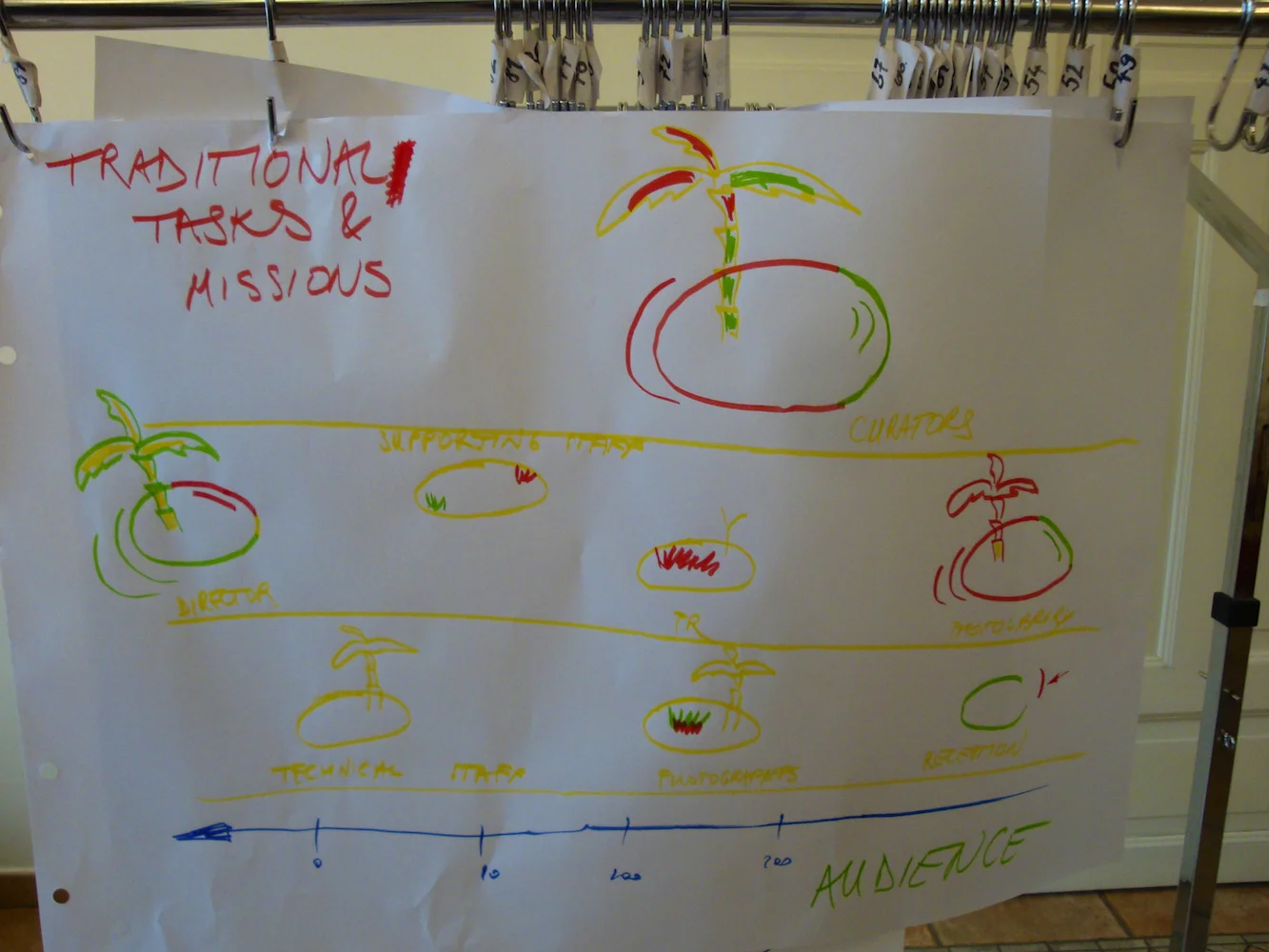
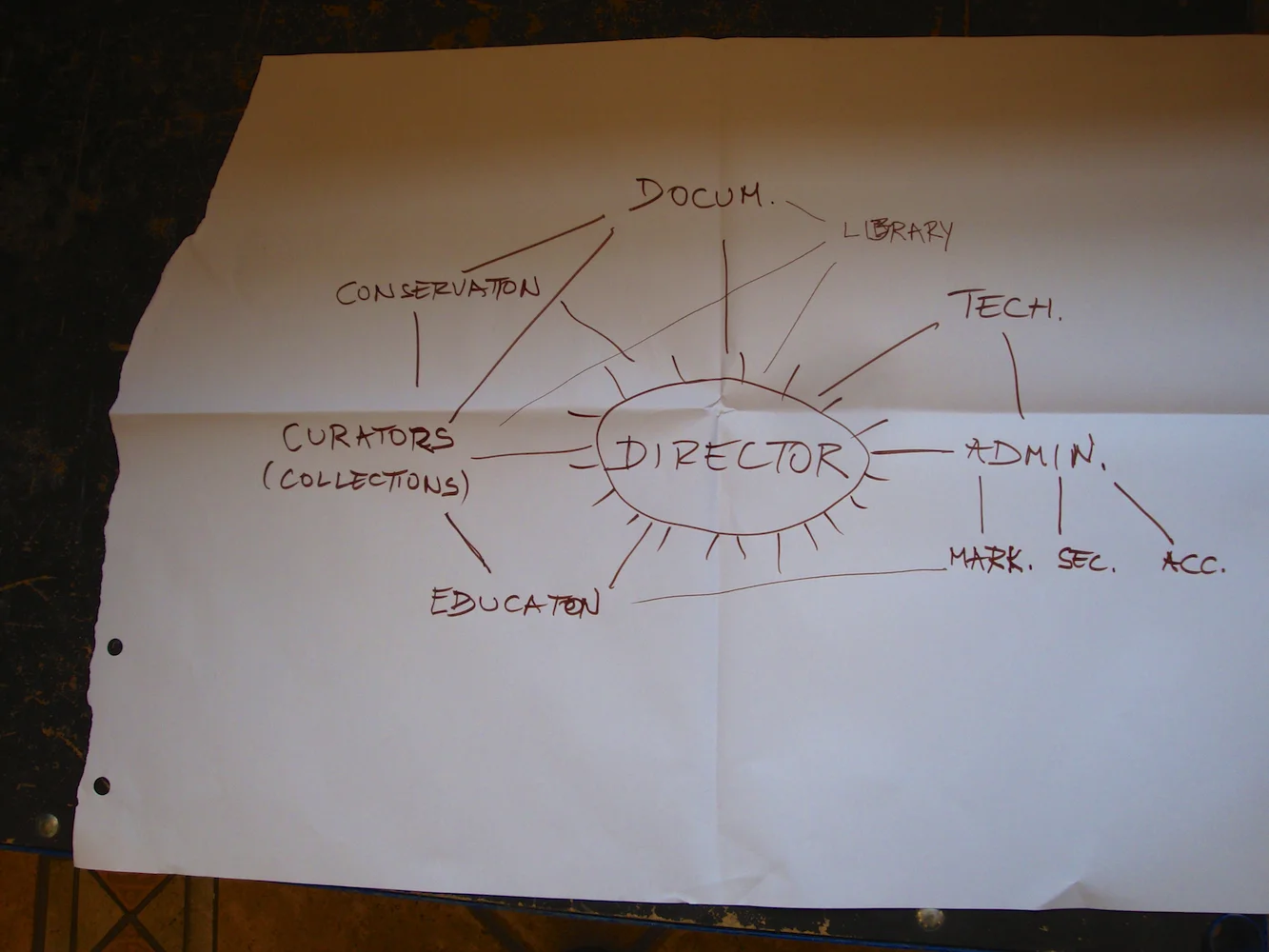
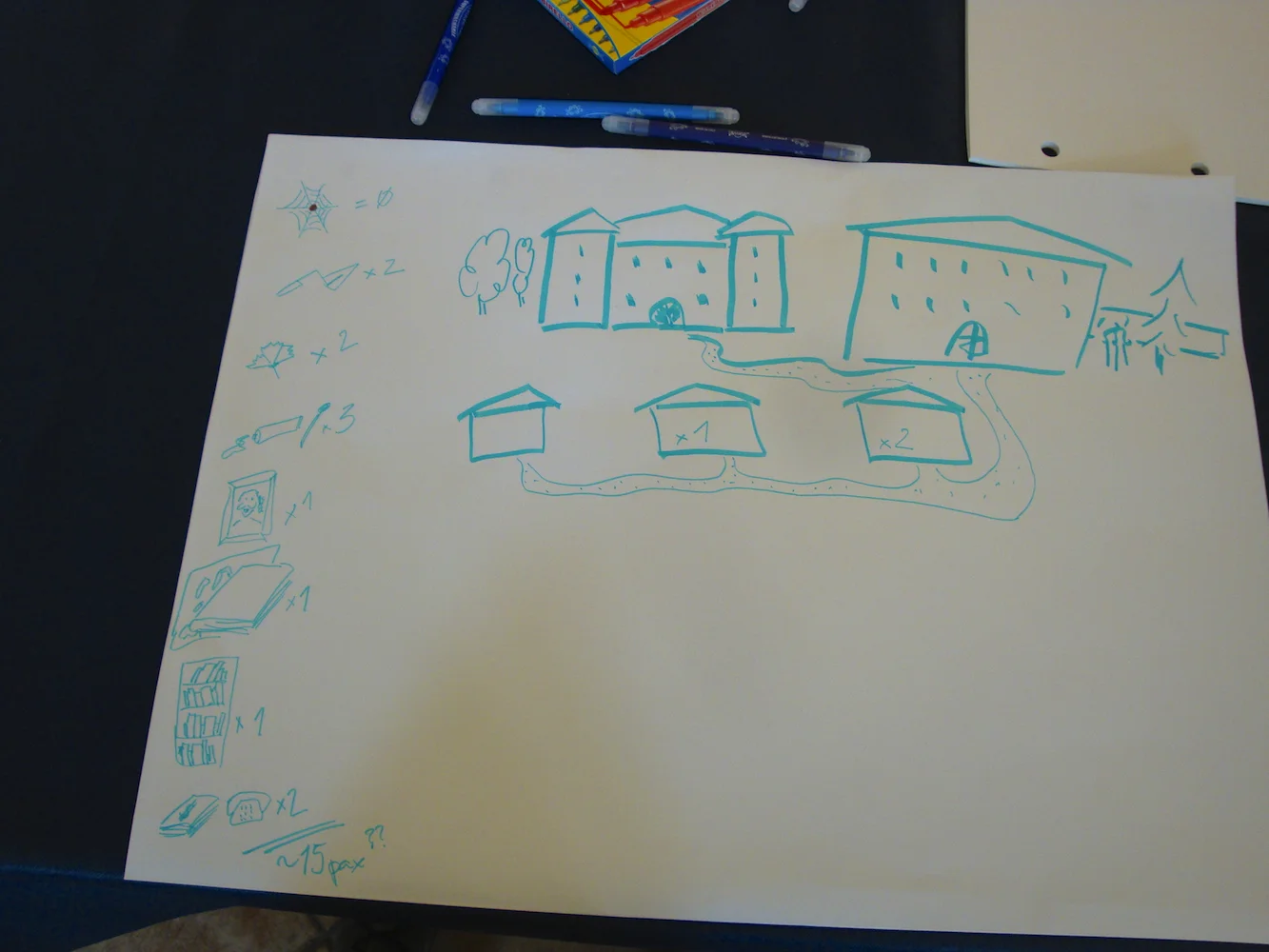
I spoke on resilience and ran 2 workshops on organisational change. And amongst a number of interesting things - was the great difference in response between the participants to the simple request 'draw a picture of your organisation'.
Organised by Christian Waltl and colleagues at Kultur Agenda, Austria, ICOM Slovenia and the National Museum of Slovenia.
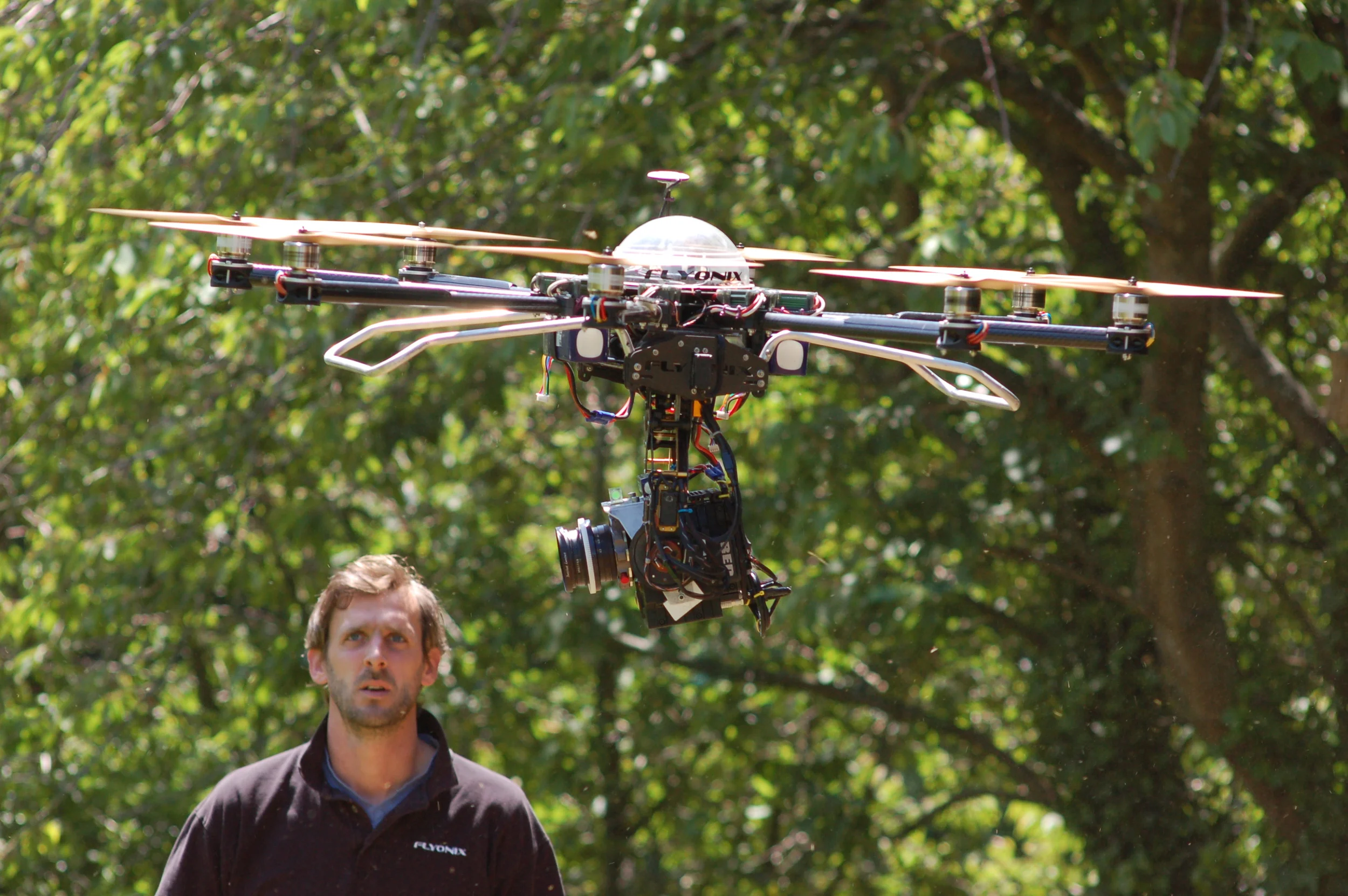
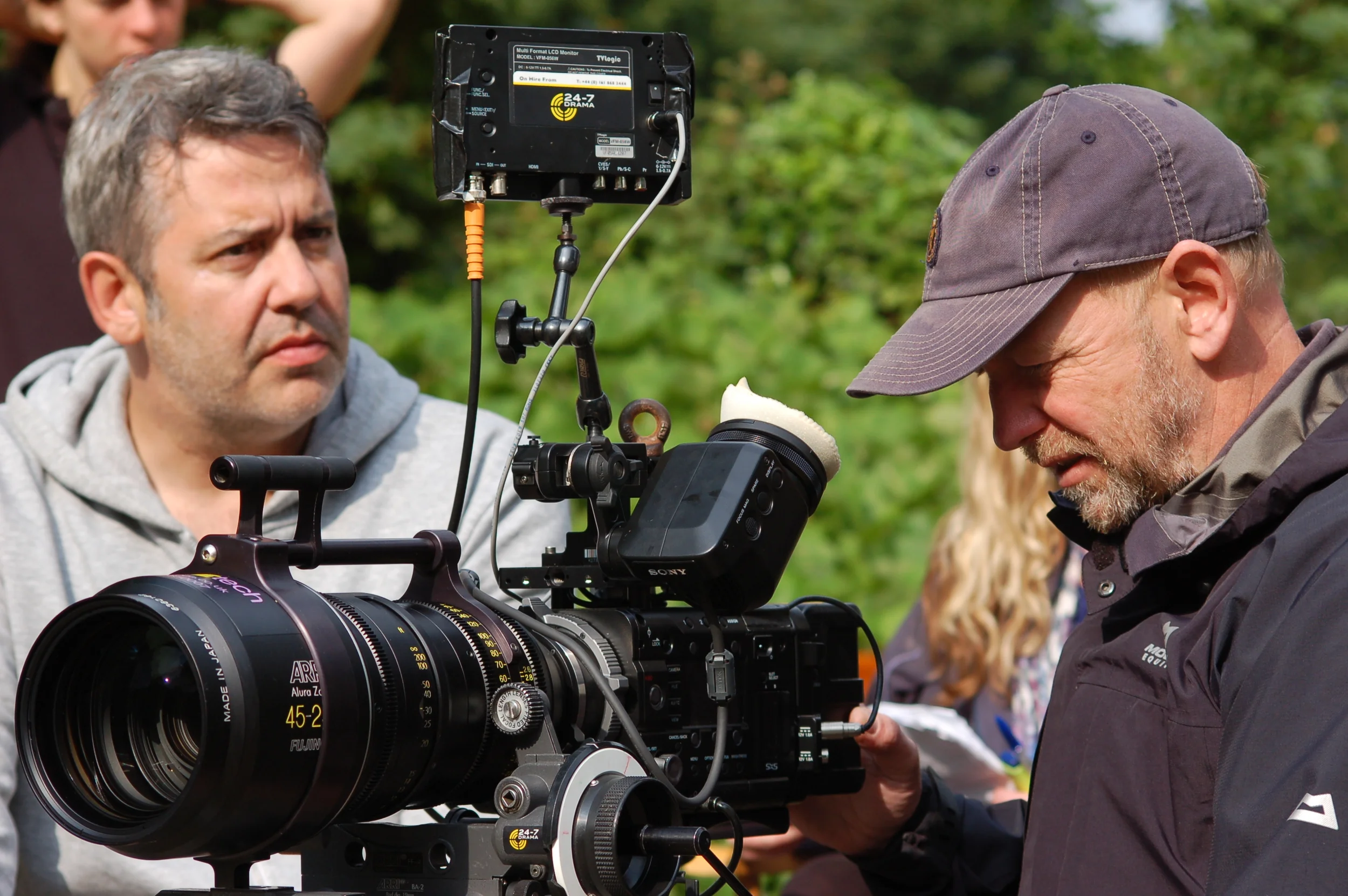
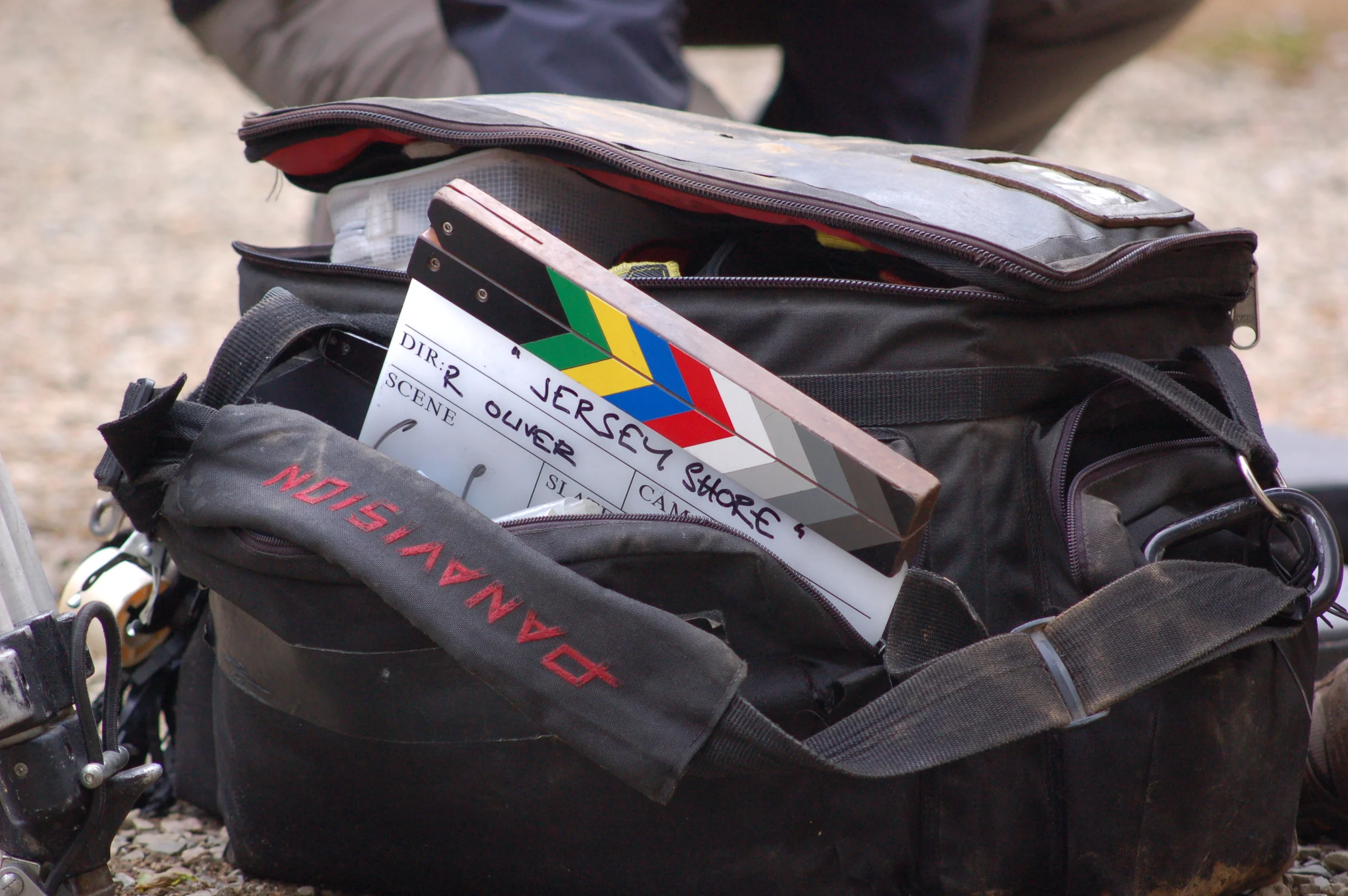
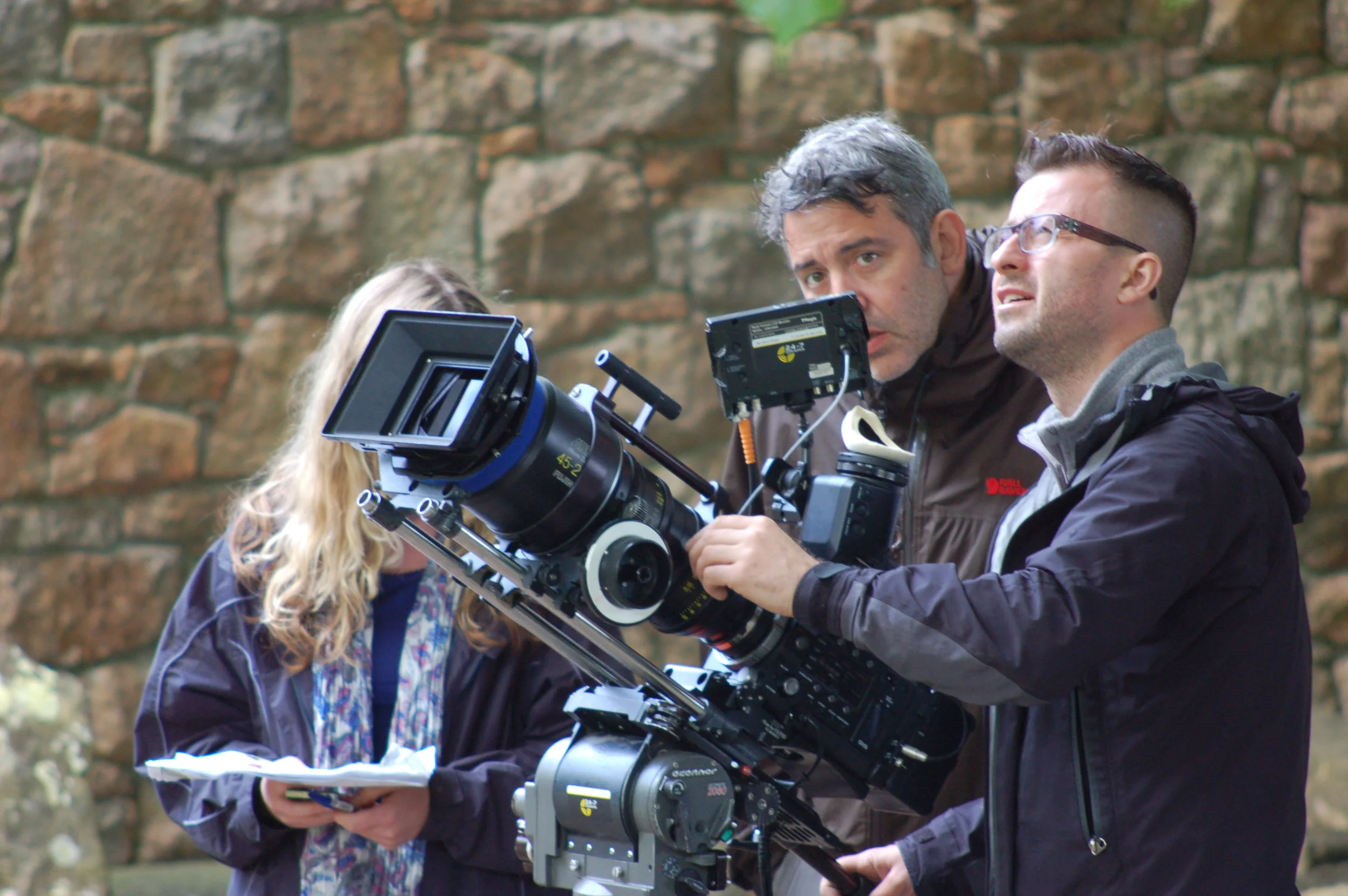
The Story of Jersey on Location
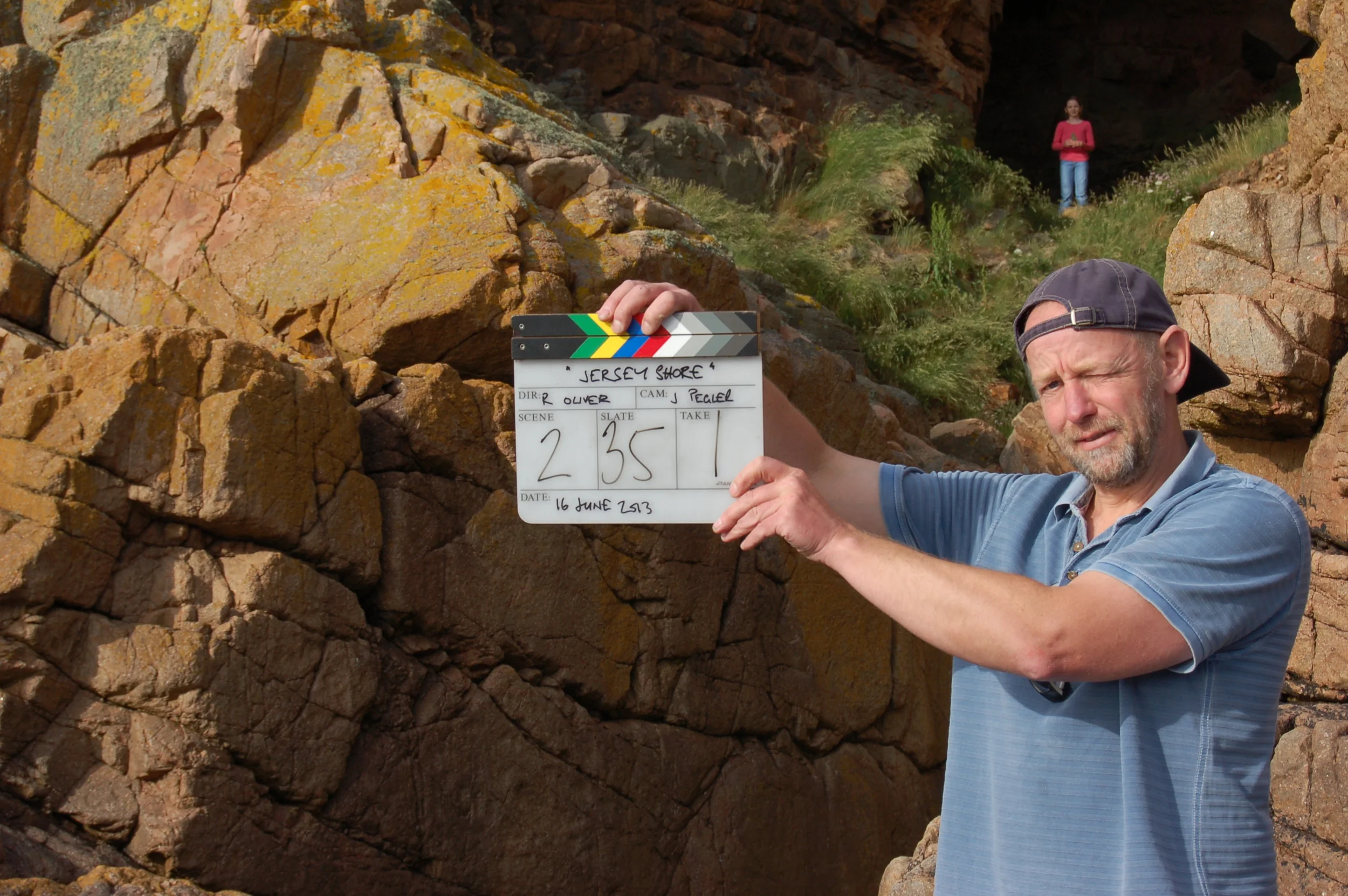
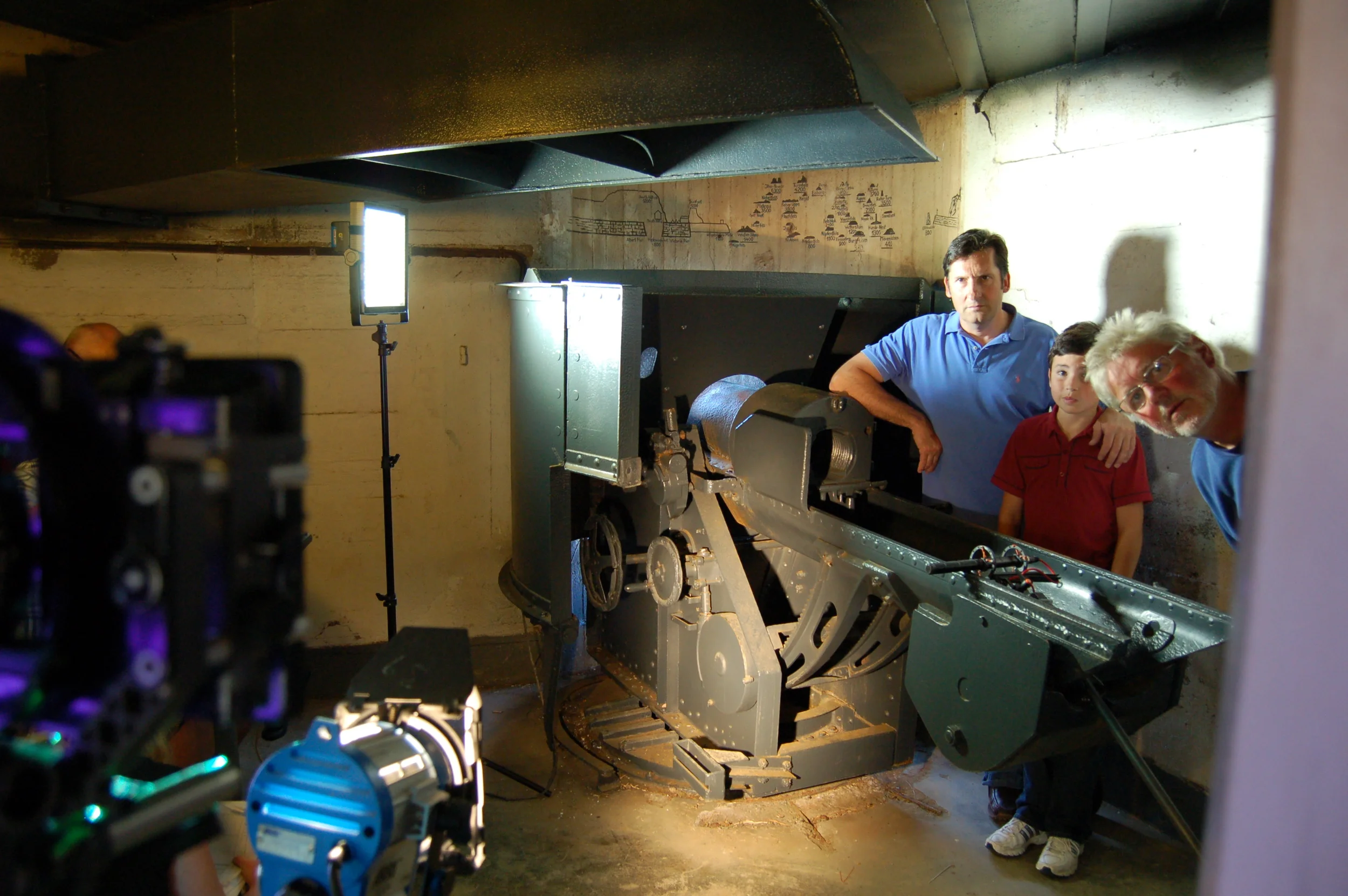
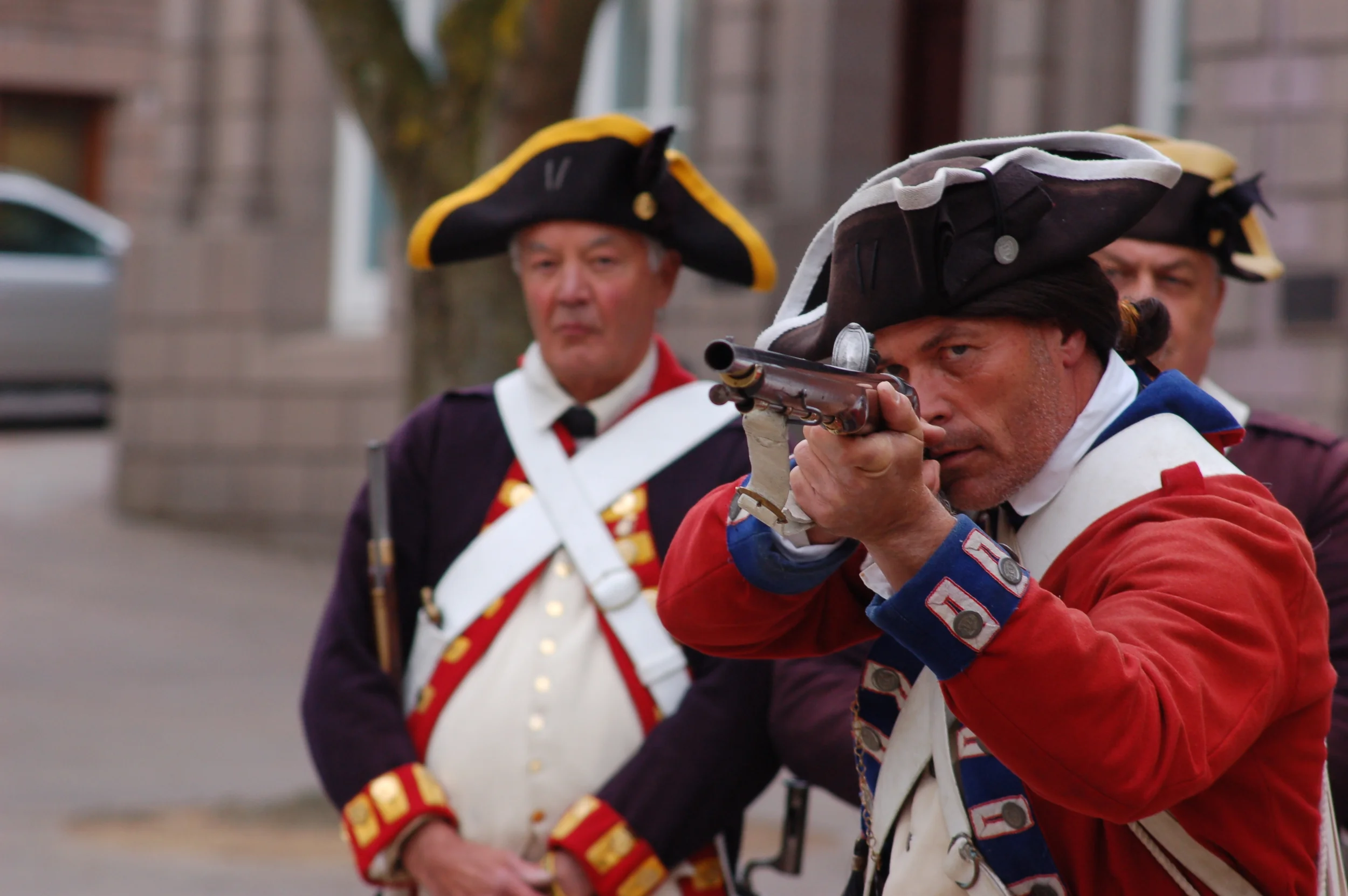
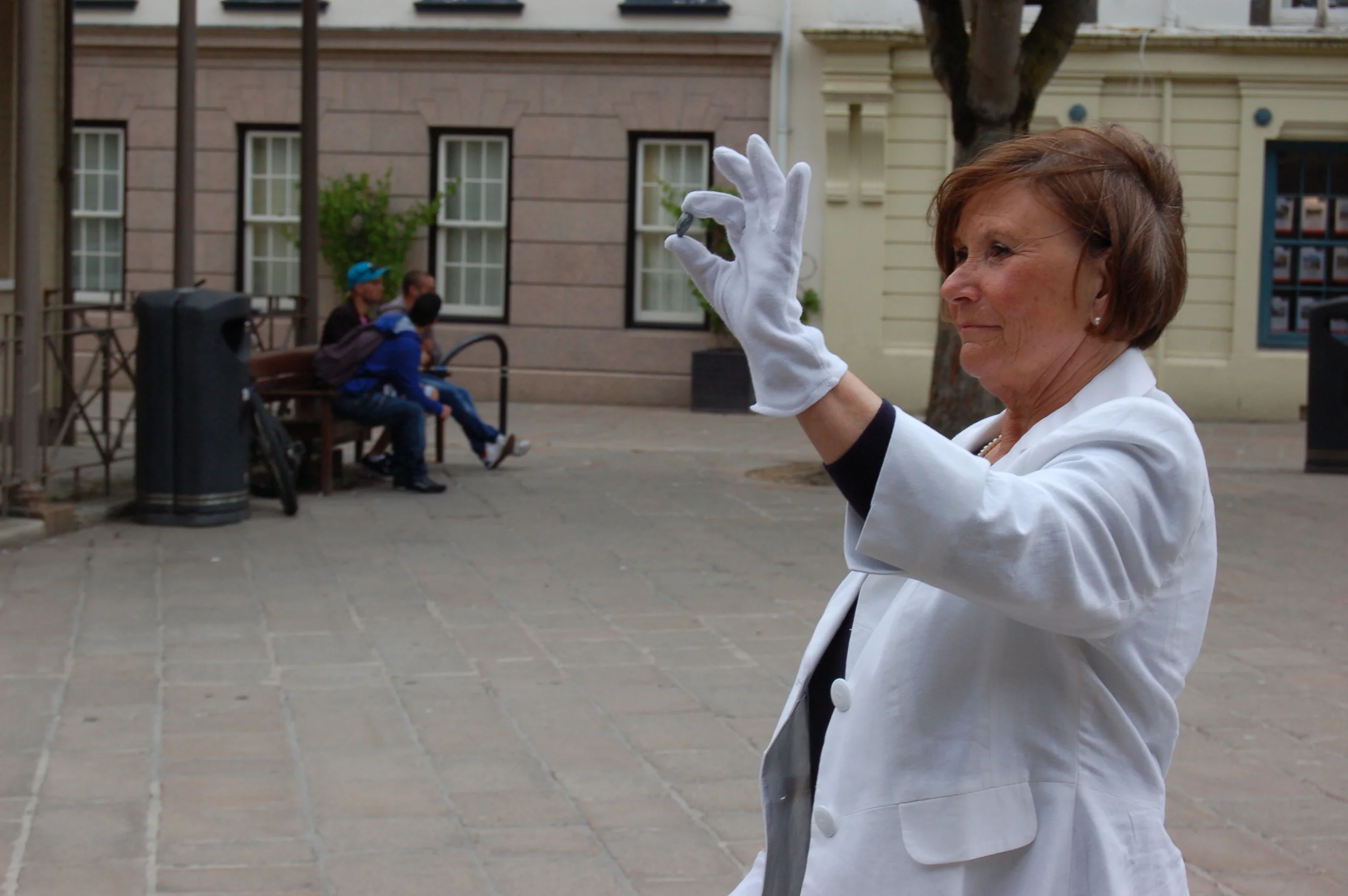
Making the film with Centre Screen - for Jersey Heritage. Photographs courtesy of Andy Evans, Fortress Island Films, Jersey.
RAF Museum, Hendon and Cosford - Strategy Planning Workshops
New set of development workshops with the RAF Museum - just starting. Working with the Board and the senior management team. Wonderful collections and an intriguing, if brutal, Century to explain through the lens of the RAF.
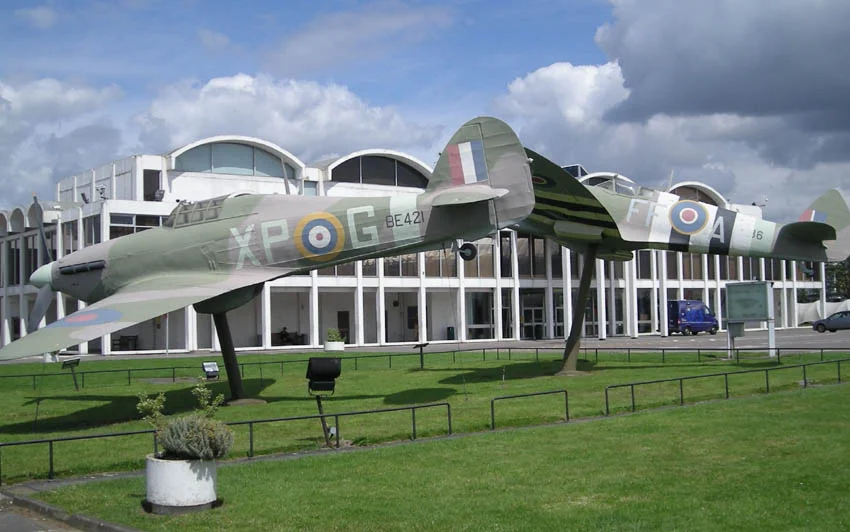
Hendon, Hawker Hurricane foreground
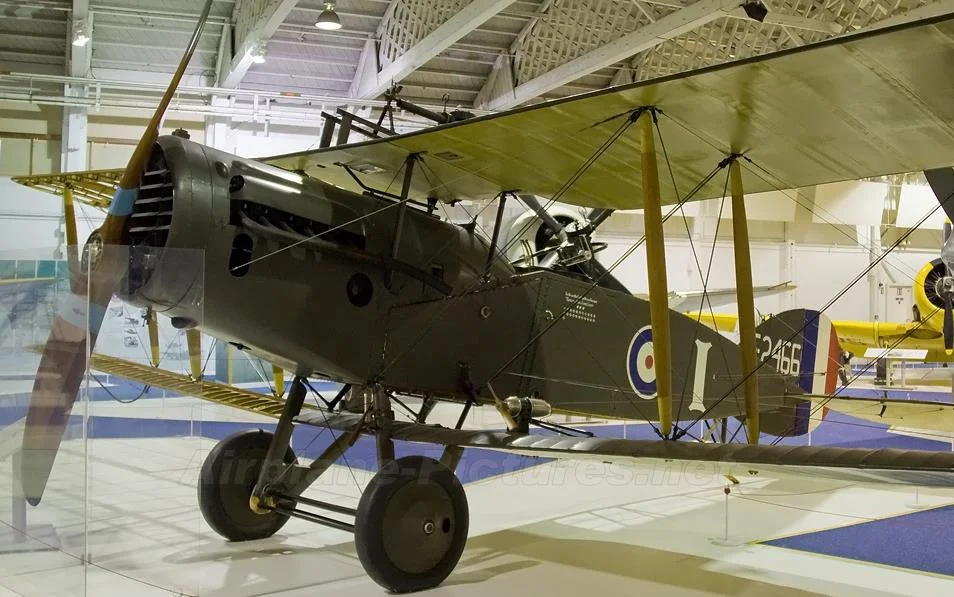
Bristol F2B
Imperial War Museums - IWMN - Strategy Planning Workshops
Current workshops for IWMN - looking firstly at space planning. August 21, 2013.
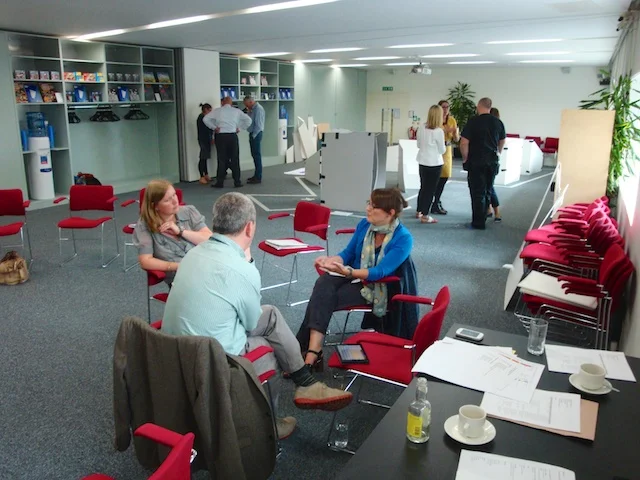
Graham Boxer - the Director and IWM staff deep in thought
Samantha Heywood also in deep discussion with other team members
The Flight of the Ginestets
This is the three character drama I wrote recently for Jersey Heritage, which is played out on three life-size screens in the Drawing Room at 9 Pier Road, in the merchant's house which adjoins Jersey Museum. Made with Centre Screen, Manchester – Rick Megginson, Lisa O'Neill and Jon Pegler as DOP. Shot in studio in London with a three camera rig. DJ Willrich supplied and installed the hardware for audio and visual. We're using Panasonic DLP projectors - very quiet and economical to run.
The Story of Jersey
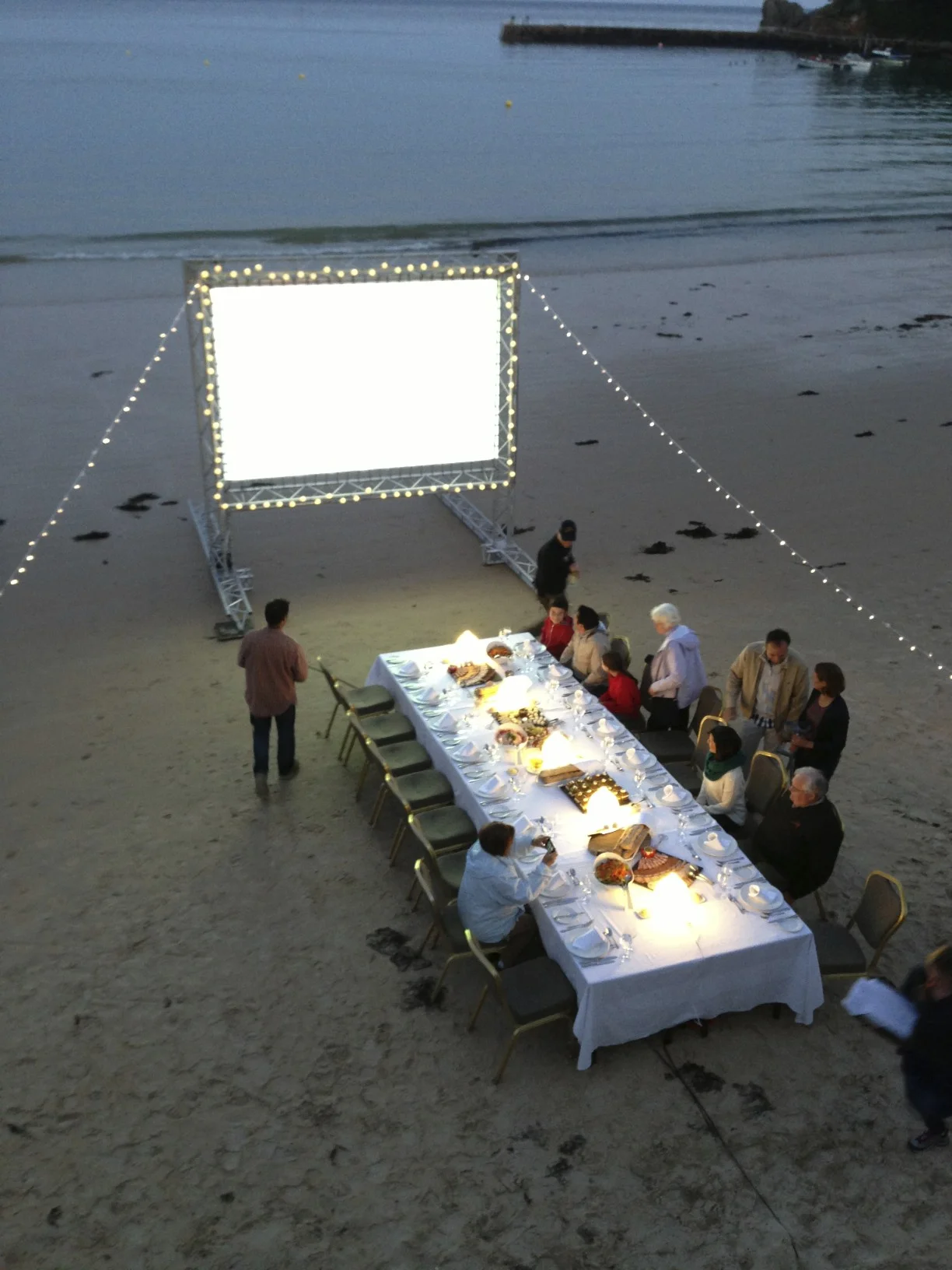
The new film I've written about Jersey, its history and its people. Again Working with Centre Screen, Manchester. Rick Megginson, Lisa O'Neill, Richard Oliver as Director and Jon Pegler DOP. Fortress Island films, Andy Evans, provided all the backup for the production in Jersey.
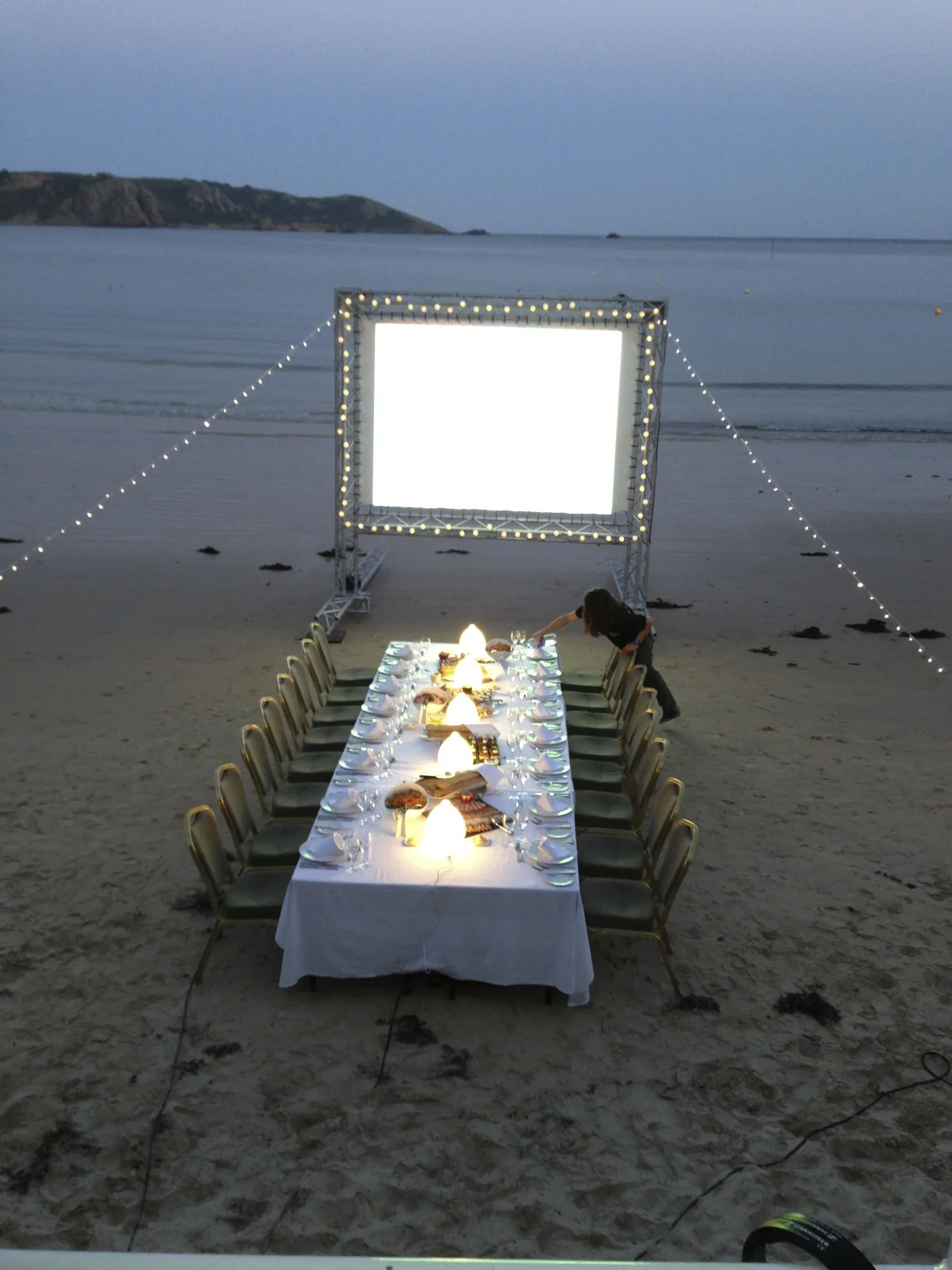
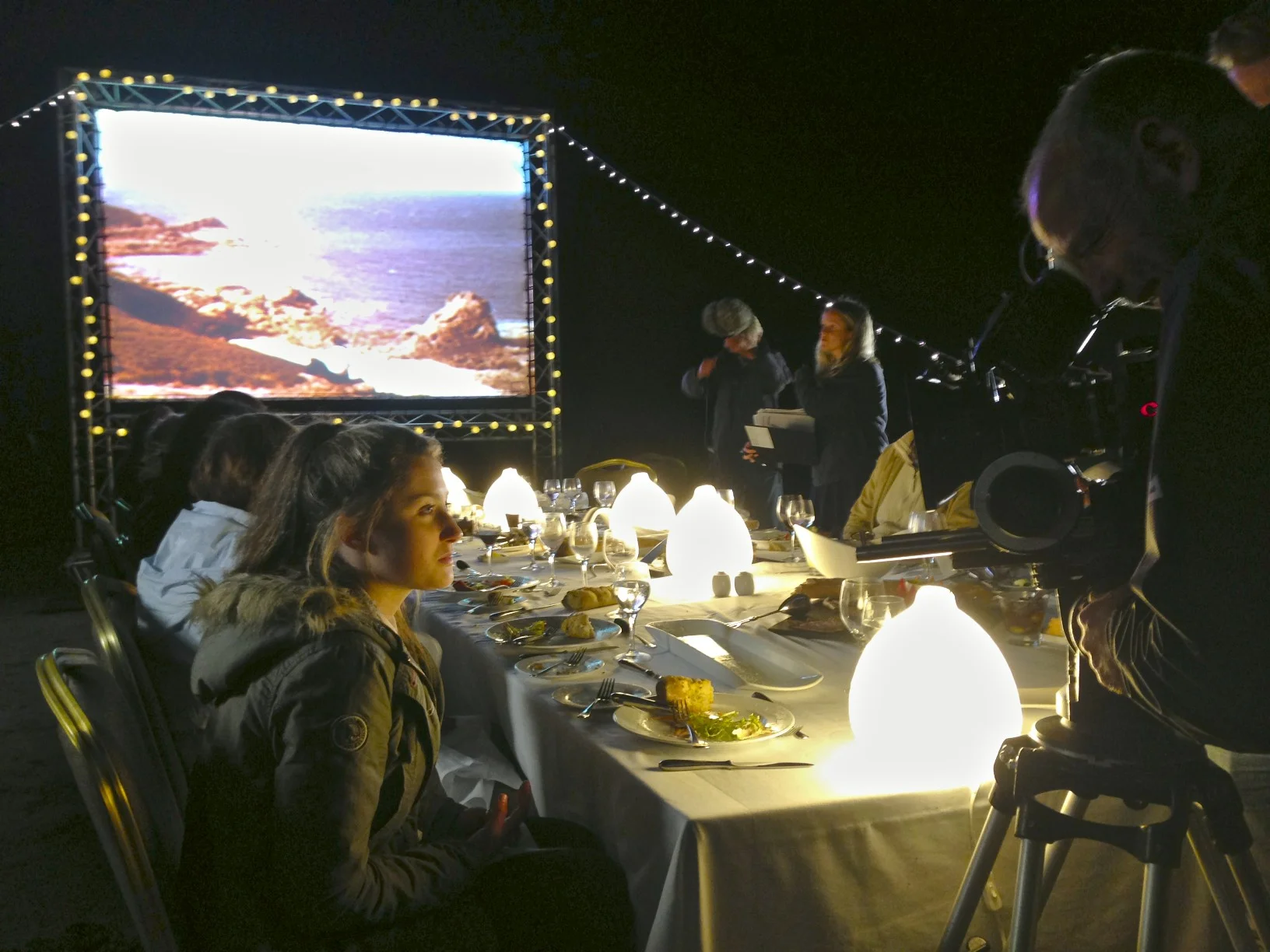
Below - making the film - the last scene on the beach in preparation. Monday 24 June. Thanks to the hotel L'Horizon at St Brelades Bay which helped provide the setup.
Awards
Heartlands our social enterprise project has won two RIBA Southern Architecture Awards:
- RIBA South West & Wessex Award 2013 – Regional Award
- RIBA South West & Wessex 2013 - Client of the Year Award 2013
And an RIBA National Award 2013. Stephen acted as Creative Director for the project, writing the architectural Brief and choosing Stride Treglown, the architects, with Scott James Project Director for Cornwall Council.
Imperial War Museum North
We're running two development workshops for the main exhibition space in August and October.
Museums and Resilient Leadership
A new course funded by the Arts Council we've been developing with the Black Country Living Museum. Find out more here.
Our Approach to Resilient Leadership
- Resilience is the capacity in individuals and organisations to be flexibly persistent
- A resilient leader holds true to his or her core purpose whilst adapting to change
- Resilience can be grown through continuous investment in the leader's personal 'asset bank', the organisation's assets and the relationships that join them
- These assets should be in the service of museums acting as institutions of record and agents for social change
The MRL Programme is designed to build these assets and develop resilient leaders who are culturally and commercially adept.
Heartlands
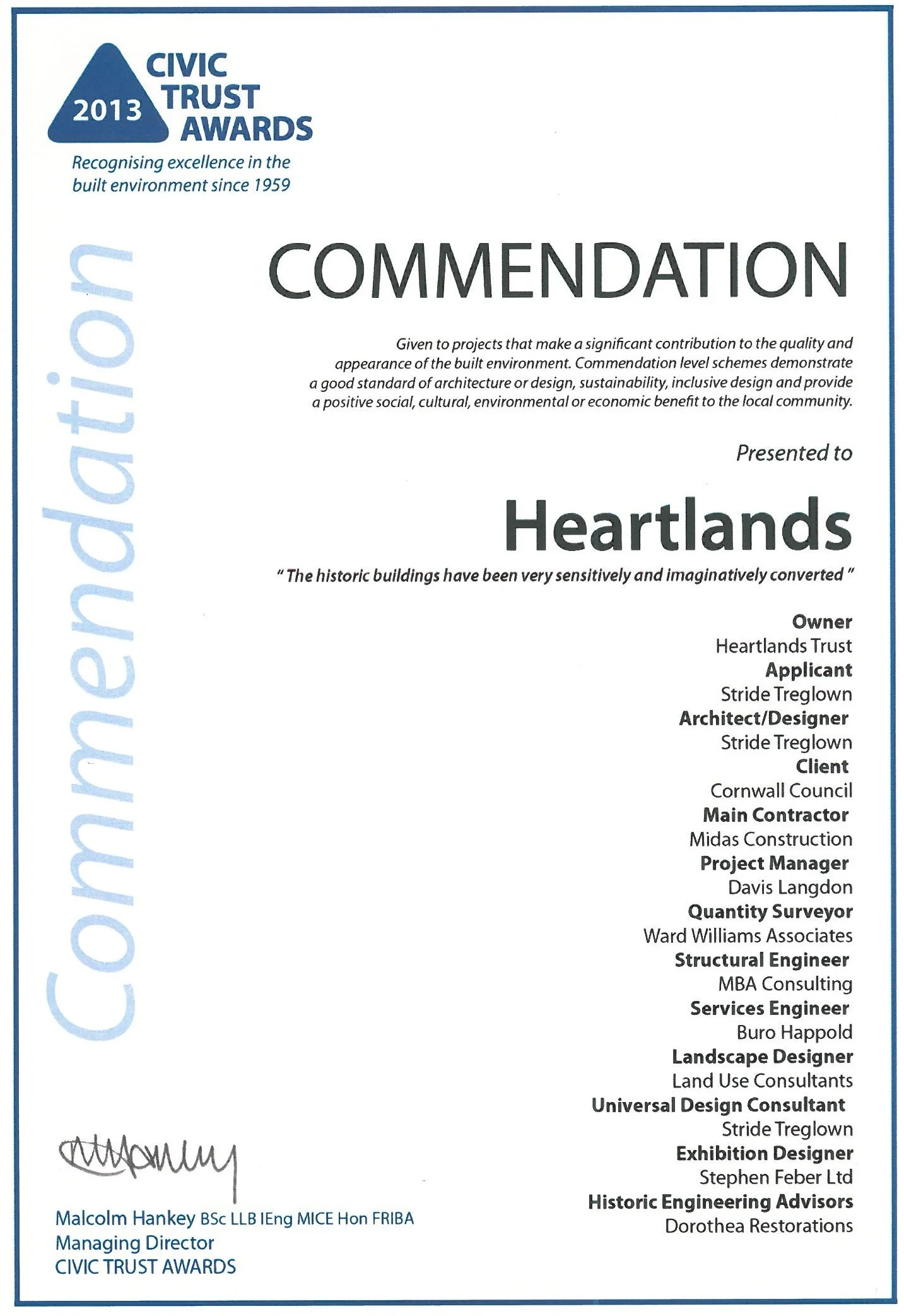
Heartlands - one of our regeneration projects has just won a Civic Trust award. We provided a wide range of services to the project including exhibition design.
The Victorians
We've just been commissioned by Jersey Heritage for a further exhibition - the Victorians painting exhibition, curated by Louise Downie. We'll be providing an audio and light show to explain two key C19th century pairings, much as we did for the very successful Battle of Jersey exhibition.
For the Enterprise Zone in Hereford:
- We have been commissioned by the Hereford Enterprise Zone to undertake a Stage 1 Heritage Lottery Fund submission for the site at Rotherwas. This includes two free to enter exhibitions about a local regiment and women in war. We have a special services visitor attraction in development too for this project. This will look at all aspects of the challenges of special forces operations. See the Blog page. Our architects for this scheme are the lovely Studio Egret West.
Mont Orgueil
For Jersey Heritage we're doing the first year of a five year investment programme, 2013 - 2017, with a range of projects:
- A film about the Island
- A drama for the Merchant's House, No. 9 Pier Road
- New interpretation scheme for 9 Pier Road
- New media for the Occupation Tapestry at the Maritime Museum, St Helier
- An AV installation for the chapel at La Hougue Bie, Neolithic site
- A new physical sign and digital mapping system for the Island
- A new Art Gallery project - scoping the animation in sound and light of two paintings from the Jersey heritage collection
- New work on the Occupation - 2nd World War period - a multi media installation
A major piece of work has been the development of new interpretation and presentation plans for the Island and the project packaging, project management, design and creative services to realise the programme.
For the Black County Living Museum:
- Interpretation planning
- Joint development of their Renaissance Strategic Support programme bid for 2013-2014
- Island interpretation reconnaissance trip
- Presentation on heritage interpretation developments to Manx National Heritage's management team