Stow Maries Aerodrome, Maldon, Essex
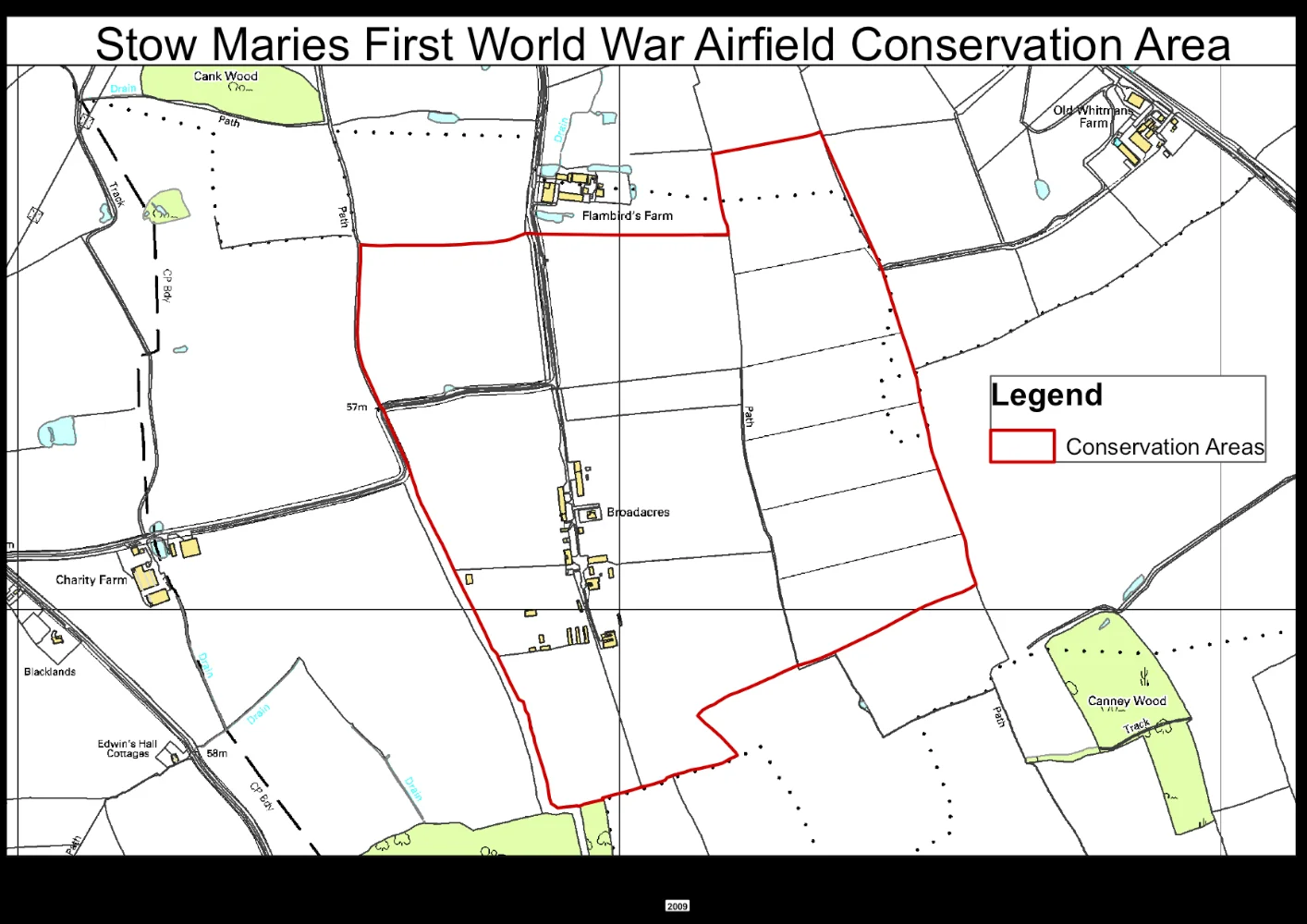
We have provided strategic advice to Maldon District Council regarding the best preserved First World War aerodrome in the country, Stow Maries near Maldon in Essex. We looked at the heritage merits of the site, acquisition by a not for profit company limited by guarantee, business planning and the long term future - resilience The aerodrome is currently in private hands and is up for sale. Much of the work of rescue and restoration has been led by Russell Savory.
The site has just won an E.H. / Andrew Lloyd Webber / Daily Telegraph Angel Award.
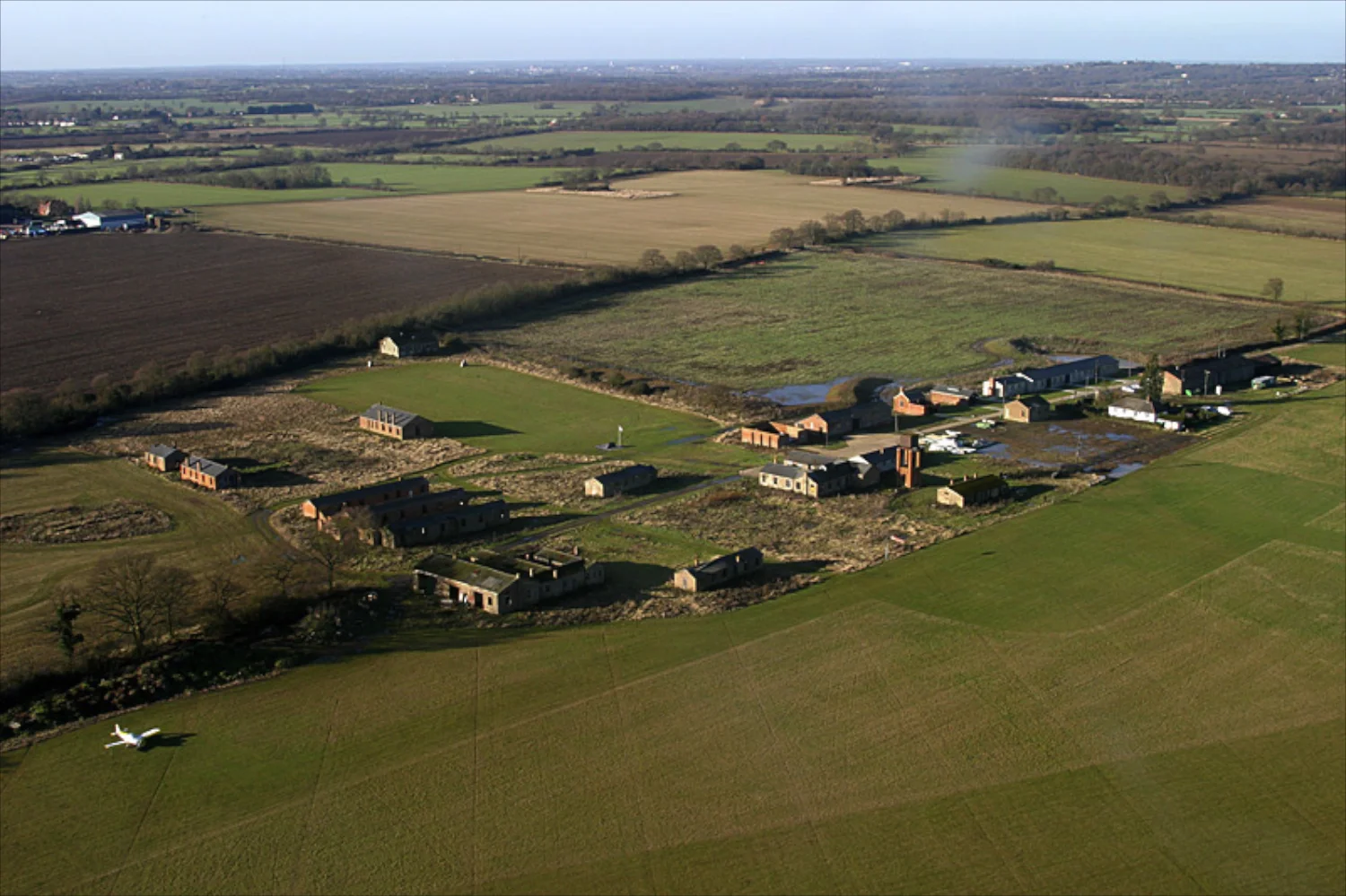
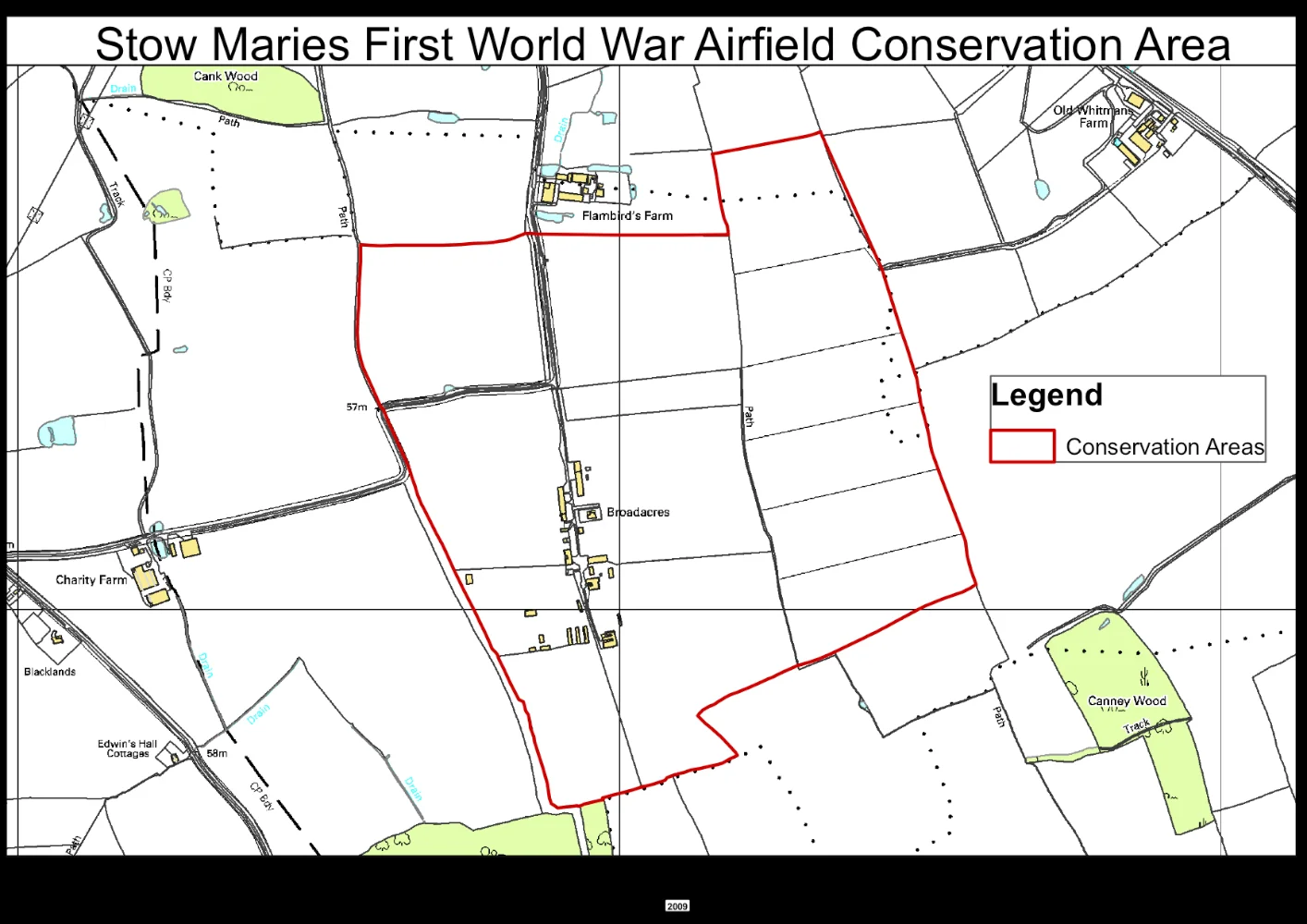
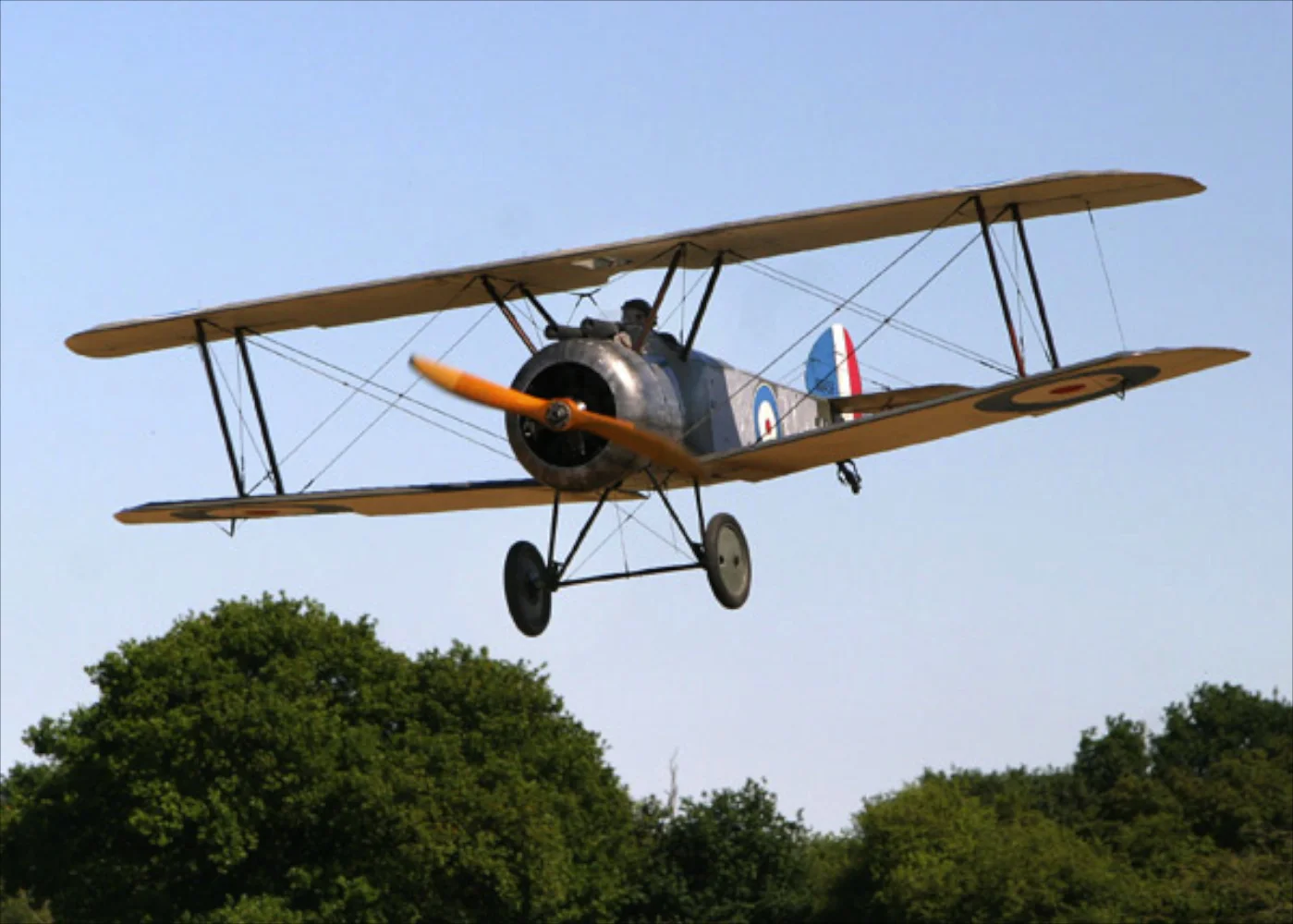
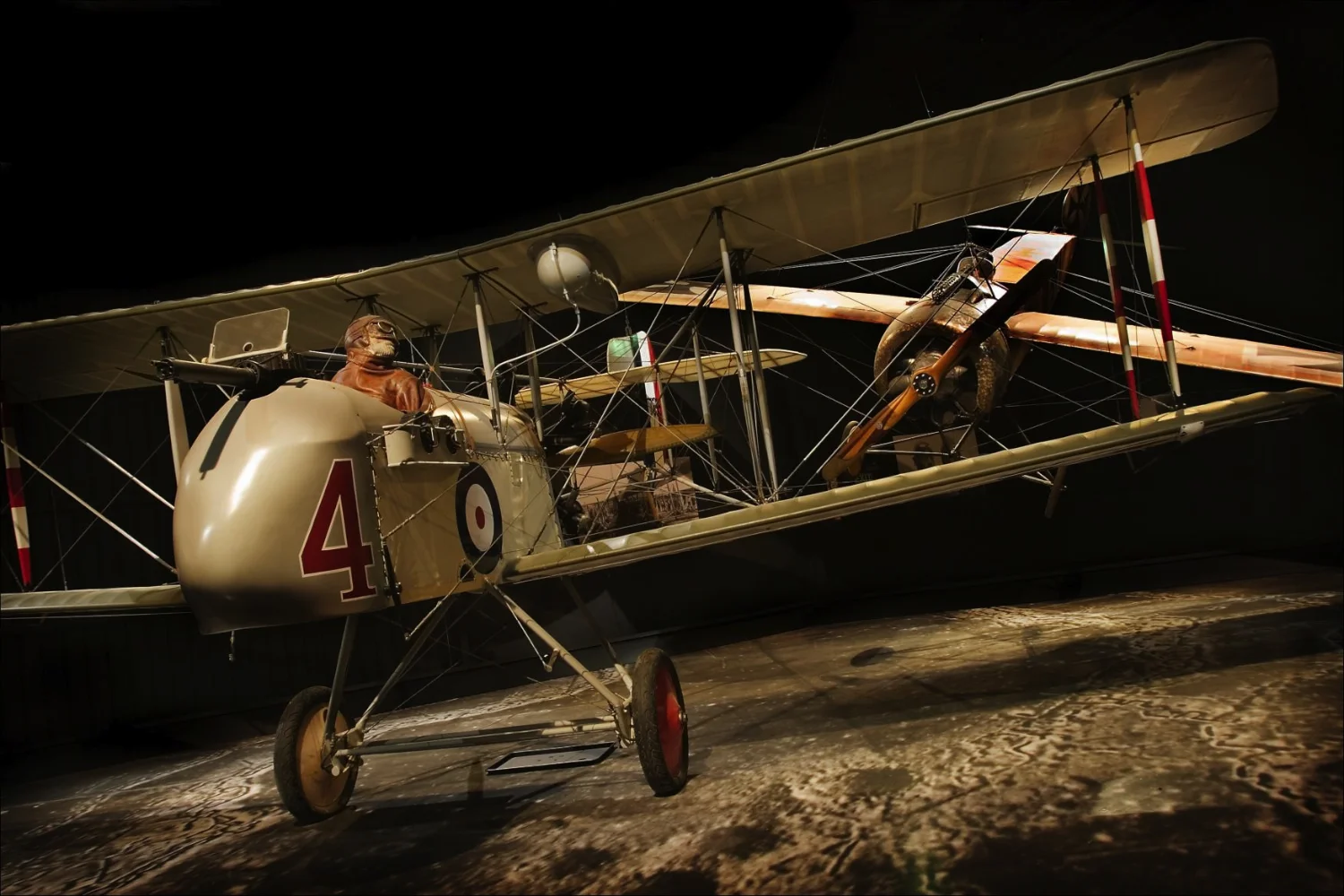
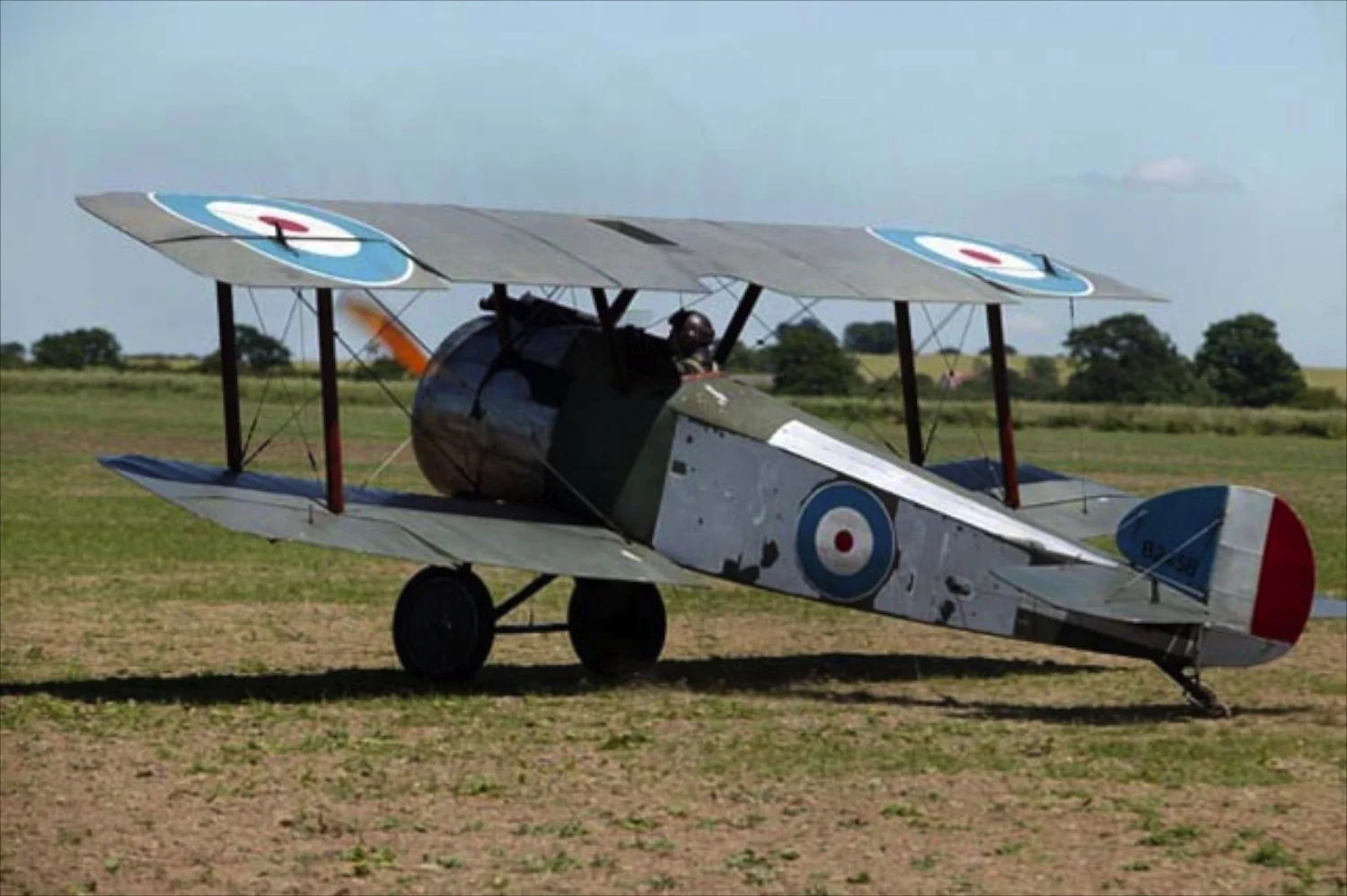
The requirement for an aerodrome at Stow Maries originated in the Government response to German Zeppelin airship and Gotha fixed- wing bomber attacks on the British mainland during the First World War. The first aircraft to arrive at the new aerodrome in September 1916 belonged to Flight, 37 (Home Defence) Squadron, Royal Flying Corps. The Squadron was charged with the eastern aerial defence of the capital. Both day and night patrols are recorded but it was to be the 'Flight at Goldhanger that claimed the Squadrons first confirmed destruction of an enemy machine, when during the early hours of 17th June 1917, 2nd Lieutenant L. P Watkins was credited with the downing of Zeppelin L48 at Theberton in Suffolk'. This was to be the last Zeppelin brought down in Great Britain during the Great War.
The whole airfield was Listed II* in April of 2012. English Heritage offers the following:
The 24 buildings at the former Royal Flying Corps aerodrome at Stow Maries are recommended for listing at Grade II* for the following principal reasons:
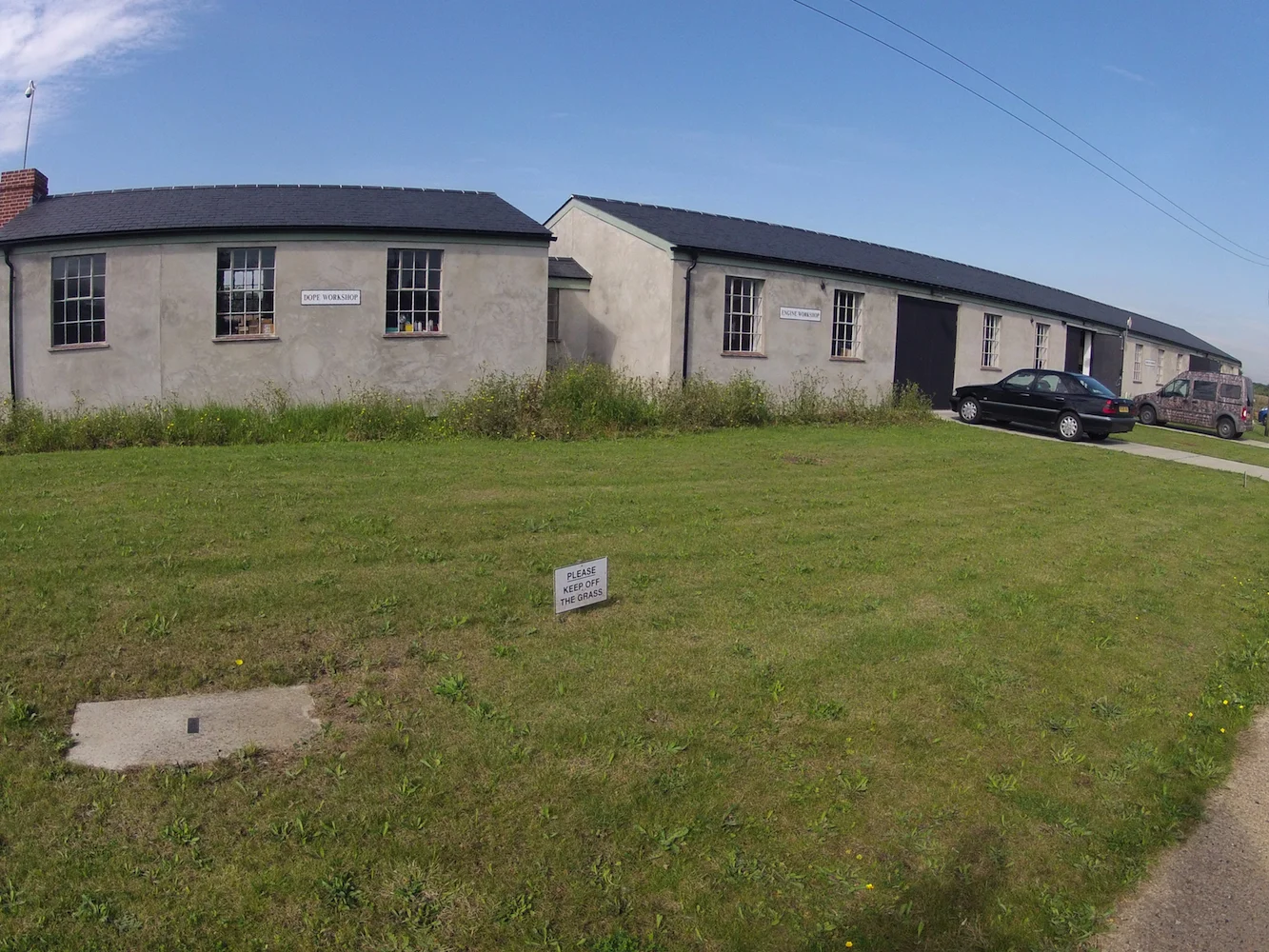
- Rarity: It is the largest known surviving group of RFC buildings on a WWI aerodrome which, being abandoned in 1918, was not adapted for further military use later in its history. The individual building types are rare survivors; only two other RFC Officers' Messes are listed and there are no designated examples of some of the other building types which remain at Stow Maries including the Pilots' Ready Room, Aircrew, Mess, Reception Building and Squadron Headquarters.
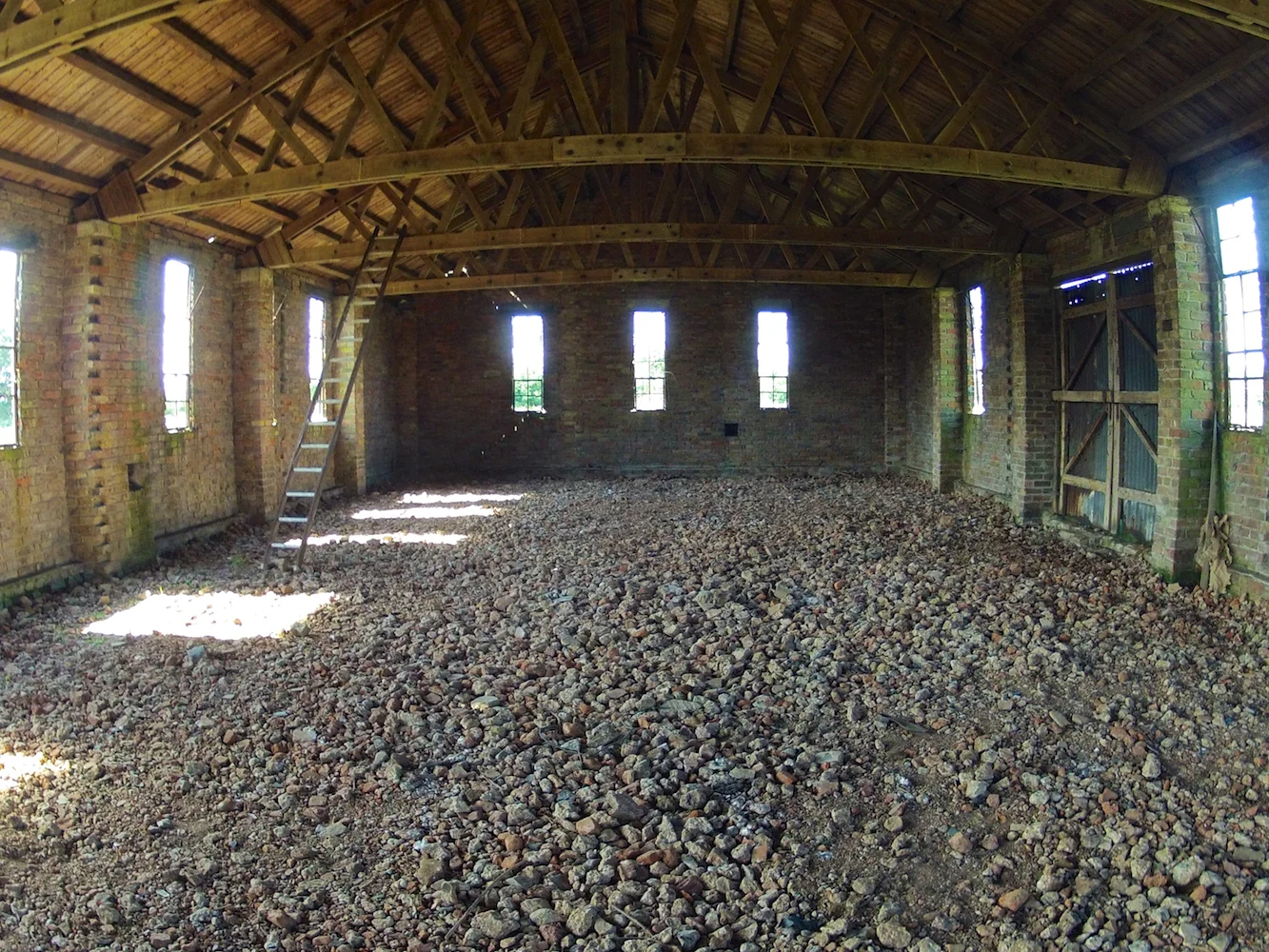
- Architectural interest: The continued presence of a wide range of technical and domestic or 'regimental' buildings largely in their original form conveys architectural interest. The buildings display good craftsmanship in their construction; the roof structures, for example, are complex in their arrangement and well-made. Individual buildings retain many original fixtures and fittings.
- Group Value: With the exception of some of the Women's Hostels, the hangars and the temporary buildings which have been demolished, this group of technical and regimental buildings is a complete example of a 1914-1918 RFC aerodrome with the associated infrastructure, parade ground and flying field.
- Historical association: The base was part of the defence of London against airships and Gotha bombers. Aircraft from Stow Maries flew in defence of the capital during one of the first significant air raids on the capital in July 1917.